Every home is a patchwork of systems built at different times, and few of them wear out on the same schedule. A furnace might have another decade in it while the roof is failing, or your kitchen might need new countertops long before the electrical panel does. The smart approach to home upgrades is not an all-or-nothing renovation but a targeted strategy that replaces only what has actually reached the end of its useful life.
This article walks through how to evaluate major home systems individually so you can invest wisely, avoid unnecessary demolition, and keep what still works in good shape.
Evaluating Your Heating and Cooling Systems Separately

Homeowners often assume their HVAC system is one unit that must be replaced all at once, but heating and cooling are frequently separate systems with different lifespans. A furnace can last 15 to 20 years while an air conditioner may only last 12 to 15, especially in climates with long cooling seasons. This distinction matters because contractors, eager to close a bigger sale, sometimes recommend a full system swap when only one component is actually near the end of its life. Before committing to a full replacement, have a technician inspect each component individually to determine which parts are actually failing. Ask for specifics: the age and condition of the heat exchanger, the SEER rating and refrigerant type of the outdoor condenser, and whether the blower motor or ductwork shows signs of wear.
A furnace with a cracked heat exchanger is a safety issue that demands replacement, but an aging AC compressor that still cools effectively may have years left in it. It’s also worth checking whether your furnace and AC share a compatible air handler or coil, since replacing one unit sometimes requires minor upgrades to the other to maintain efficiency and warranty coverage. For example, installing a modern high-SEER condenser alongside a decade-old air handler can sometimes void manufacturer warranties or reduce performance gains. A good technician will flag these compatibility issues upfront rather than after installation, so ask directly whether any mismatch exists before signing off on a partial replacement.
Your furnace and your air conditioner are two separate systems with different lifespans, different failure points, and different repair costs, so they deserve independent evaluations rather than a single “heating and cooling” verdict. A furnace can last 15-20 years while an AC unit typically runs 10-15 years, which means one may need attention long before the other does. If your air conditioner is struggling with warm airflow, strange noises, or rising energy bills, a professional AC repair visit can often diagnose whether the issue is a simple fix like a refrigerant leak or a capacitor, rather than a sign the whole unit needs to go.
Many homeowners spend thousands replacing a system prematurely when a $200 repair would have bought several more years of reliable performance. The same logic applies to your furnace or heat pump. A pilot light that won’t stay lit, uneven heating between rooms, or a burning smell on startup could point to a cracked heat exchanger that genuinely warrants replacement, or something as minor as a clogged filter or faulty igniter that costs far less to fix. Before committing to a full system swap, ask a licensed technician for a straightforward breakdown: what’s failing, what it costs to repair, and how many more years that repair should realistically buy. Comparing that number against the price of a new unit gives you a clearer, less emotional basis for the decision than assuming age alone means it’s time to replace.
- Get a second opinion before authorizing full system replacement, especially if the first quote comes from the same company that installed or serviced the unit
- Ask for a written breakdown of what specifically has failed, including part names, failure cause, and whether it’s isolated or likely to trigger further breakdowns
- Compare repair cost to remaining expected lifespan of the unit using the “50% rule”: if the repair costs more than 50% of a new system’s price and the unit is over 10 years old, replacement usually wins
- Check your furnace or AC’s age against typical lifespans — 15-20 years for furnaces, 12-15 years for AC condensers — to gauge how much life is realistically left
- Keep maintenance records to track recurring issues over time, noting dates, symptoms, and repairs so patterns like a failing capacitor or worn blower motor become obvious
- Evaluate the furnace and AC as two separate systems, since one can be replaced or repaired without disturbing the other, especially in split systems
Adding Zoned Comfort Without Rebuilding Ductwork
Older homes with radiators, baseboard heat, or additions that were never properly connected to central air often struggle with uneven temperatures. Ripping out existing ductwork to install a whole new forced-air system is expensive and invasive, and it is rarely necessary just to fix one or two problem rooms. A more targeted solution can solve comfort issues without disturbing systems that work fine everywhere else in the house.
A ductless mini split heat pump installation is one of the most practical ways to add heating and cooling to a specific room or zone without touching your existing system. These units mount on a wall or ceiling, connect to an outdoor compressor through a small conduit, and operate independently of your home’s ducted heating. They are especially useful for converted garages, sunrooms, finished basements, or additions built after the original HVAC system was installed.
- No ductwork required, which limits construction mess
- Each zone can be controlled independently for efficiency
- Works well as a supplement to an aging central system
- Installation is typically completed in one to two days
Deciding Whether Your Roof Needs Full Replacement or Targeted Repair
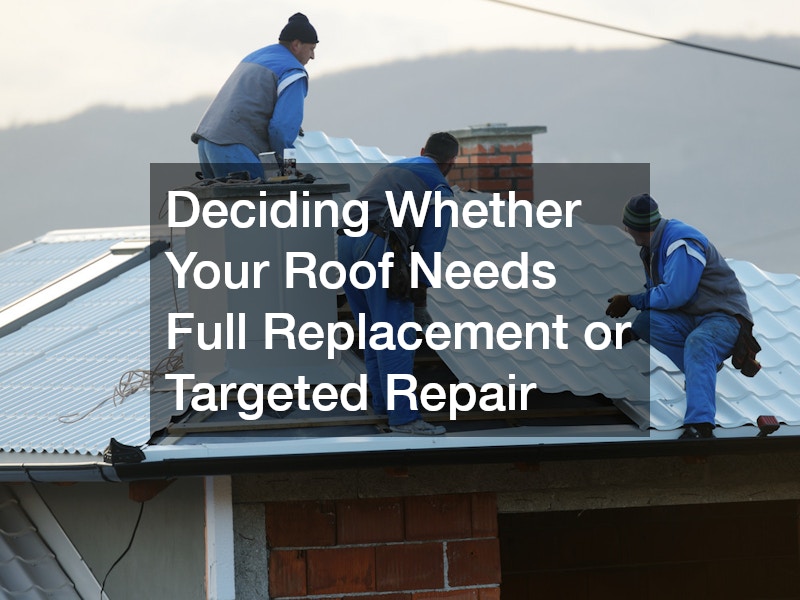
A roof rarely fails all at once, which means homeowners often replace an entire roof when only a section is actually compromised. Missing shingles near a chimney, a leak around a vent pipe, or wind damage on one slope does not automatically mean the whole roof is at the end of its life. Getting an honest assessment matters more than getting the fastest quote.
Reputable roofing contractors will walk the entire roof, check the attic for moisture damage, and give you options rather than jumping straight to a full tear-off. Ask specifically whether the damage is localized and whether matching shingles are still available for a partial repair. If your roof is less than 15 years old and the decking underneath is sound, targeted repair is often the more responsible and cost-effective choice.
- Request photos of the damage before agreeing to any work
- Ask how many more years the untouched sections are expected to last
- Get at least two independent inspections for large repair estimates
- Check whether your homeowners insurance covers storm-related damage
Refreshing Kitchens and Bathrooms Without a Full Renovation
Cabinets, plumbing, and layout can all be perfectly functional even when the surfaces look dated. Rather than gutting a kitchen or bathroom entirely, many homeowners find that replacing just the visible wear points delivers most of the visual impact at a fraction of the cost. This is especially true when the underlying structure and fixtures are still in good working condition.
New countertops are one of the highest-impact updates you can make without touching cabinetry, plumbing, or flooring. Swapping worn laminate or chipped tile for quartz, granite, or butcher block instantly modernizes the space, and the installation typically takes only a day or two. Because countertops are a self-contained upgrade, they pair well with keeping existing cabinets, sinks, and appliances exactly where they are.
- Measure existing cabinet layout before selecting new material
- Ask about seam placement if your kitchen has an irregular shape
- Consider edge profile options, which affect both look and price
- Reuse your existing sink if it is in good condition to save money
Improving Basement Safety Without a Full Foundation Overhaul
Many older basements were finished or used as living space before modern building codes required proper emergency exits. If you are converting a basement into a bedroom, rental unit, or livable space, you do not need to redo the entire foundation to bring it up to standard. The fix is usually more contained than homeowners expect.
Installing egress windows is the most direct way to meet safety code for below-grade living spaces, and it can typically be done without disturbing the rest of the foundation. A contractor cuts an opening for a code-compliant window well, waterproofs the area, and installs a window large enough for emergency exit or firefighter access. This single addition can make an entire basement legally habitable without any other structural changes.
- Confirm your local code requirements for minimum window size
- Budget for a window well cover to keep out debris and rain
- Ask about drainage to prevent water pooling around the new well
- Check whether egress additions increase your home’s appraised value
Protecting Concrete Surfaces Instead of Tearing Them Out
Driveways, patios, and garage floors often develop cracks, stains, or pitting long before the concrete underneath is structurally compromised. Full removal and repouring is disruptive, expensive, and often unnecessary if the slab itself is still sound. Resurfacing and coating options can extend the life of existing concrete significantly.
A garage floor coating is one of the most cost-effective upgrades available for homeowners dealing with oil stains, dusting concrete, or a worn appearance. Epoxy and polyaspartic coatings bond directly to the existing slab, filling minor imperfections while creating a durable, easy-to-clean surface that resists future staining. This approach preserves the original concrete while dramatically improving both function and appearance.
- Test for moisture in the slab before applying any coating
- Choose polyaspartic coatings for faster cure times in cooler weather
- Clean and etch the surface thoroughly for proper adhesion
- Expect a properly applied coating to last 10 years or more with care
Removing Only the Concrete That Truly Needs to Go
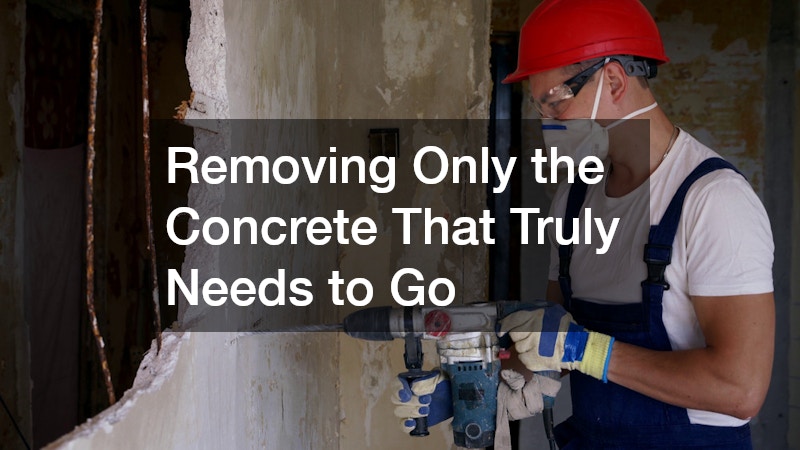
Sometimes a slab really is beyond saving, whether from severe heaving, extensive cracking, or a layout that no longer serves your needs. In these cases, the goal shifts from preservation to efficient removal that does not disturb surrounding structures or landscaping. Precision matters just as much in demolition as it does in repair.
Concrete crushing has become a preferred method for breaking up old slabs because it reduces the material into reusable aggregate rather than hauling it away as waste. This approach is often faster and less expensive than traditional jackhammering and removal, and the crushed material can sometimes be reused as fill or base material right on your property. Ask any contractor bidding on demolition work whether crushing is an option before assuming full removal and disposal is your only path.
- Confirm whether crushed material can stay on-site for reuse
- Ask about noise and dust control measures during the process
- Compare crushing costs against traditional haul-away demolition
- Check whether crushed aggregate meets your local base compaction requirements
Regrading and Clearing Land Before Building Additions
Before adding a patio, extending a driveway, or preparing ground for a new structure, the existing land often needs grading, drainage correction, or vegetation clearing. Homeowners sometimes assume this work requires bringing in heavy machinery for a full property overhaul, but most projects only need work in the specific area being developed. Scoping the job accurately keeps costs down and protects the parts of your yard that already drain and grow well.
Hiring an experienced excavating contractor for a clearly defined area ensures the ground is properly sloped for drainage before any concrete or structure goes in, which prevents expensive water problems later. A good contractor will assess soil composition, existing utility lines, and slope before recommending how much earth actually needs to be moved. This targeted approach avoids unnecessary disruption to trees, gardens, or established lawn areas nearby.
- Get utility lines marked before any excavation begins
- Ask how excess soil will be handled or hauled away
- Confirm the contractor accounts for proper drainage slope
- Request a timeline that accounts for weather delays
Maintaining Yard Boundaries and Ground Cover Without Full Landscaping Redos
Fencing and lawn care are two areas where homeowners frequently replace more than necessary, often because a small section of a larger system looks worn. A damaged fence panel or a patchy section of lawn does not always mean the entire boundary or yard needs to be redone. Isolating the actual problem area saves significant money and material.
Cyclone fence material, more commonly known as chain link, is widely available in sections that can be spliced into existing fencing, meaning a damaged portion can be replaced without tearing out an entire perimeter. Matching gauge and coating type is important so the repaired section holds up as well as the rest of the fence. On the landscaping side, targeted weed control treatments can restore problem patches of lawn without needing to till and reseed an entire yard, particularly when the issue is isolated to specific areas with poor drainage or heavy shade.
- Match fence gauge and coating when splicing in new sections
- Treat weeds at the root with targeted products rather than blanket spraying
- Reseed only the affected lawn areas to save on materials
- Address drainage issues that may be causing recurring weed growth
Upgrading a home does not have to mean starting from scratch every time something looks worn or starts acting up. By evaluating each system on its own merits, you can direct your budget toward what genuinely needs attention while preserving everything that still has useful life left. Start with a clear-eyed inspection of the systems bothering you most, get professional opinions before committing to full replacement, and tackle upgrades one targeted project at a time.