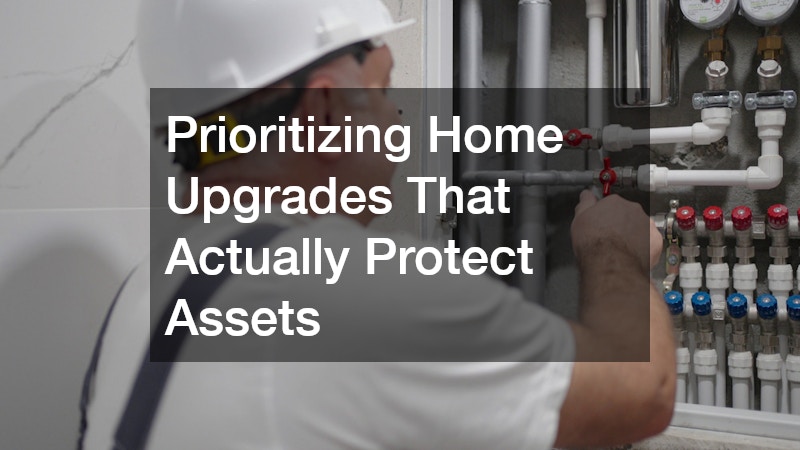
Every homeowner has a limited budget for improvements, but not every upgrade protects your investment the same way. Cosmetic changes might make your home feel fresher, but structural, mechanical, and exterior systems are what actually prevent costly damage and preserve resale value. Learning to tell the difference between a nice-to-have and a must-fix can save you thousands of dollars over the life of your home. This guide breaks down the upgrades that genuinely protect your asset, room by room and system by system, so you can prioritize with confidence.
Roof Condition and Long-Term Water Protection
Your roof is the single most important barrier between your home and the elements, and neglecting it leads to some of the most expensive repairs a homeowner can face. Small issues like curling shingles, cracked flashing, or granule loss in the gutters often signal bigger problems developing underneath the surface. Waiting until you see a ceiling stain usually means water has already been infiltrating for months, potentially damaging insulation, drywall, and framing.
Getting a professional inspection at least once a year, especially after severe weather, is one of the smartest moves you can make. Experienced roofers can spot early warning signs that are invisible from the ground and give you a realistic timeline for repair versus full replacement.
- Check for missing or curling shingles after major storms
- Look for daylight through the attic boards, which signals gaps
- Clean gutters twice a year to prevent water backup under the roofline
- Ask for a written inspection report with photos, not just a verbal summary
Exterior Siding and Moisture Barriers
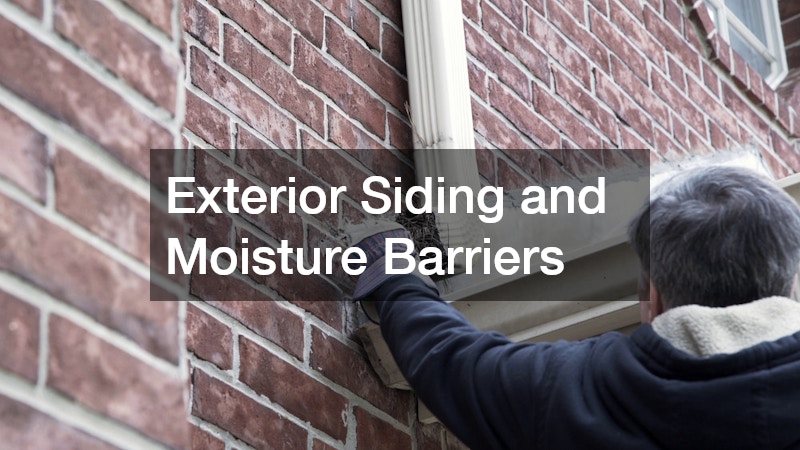
Siding does more than shape your home’s curb appeal; it is a critical moisture barrier that protects the sheathing and framing underneath. Warped panels, bubbling paint, or soft spots you can press with a finger are signs that water is already getting behind the exterior surface. Once moisture reaches the wood framing, you’re looking at potential rot, mold, and pest issues that are far more expensive than the original siding repair would have been.
Reputable siding contractors will check not just the visible panels but also the house wrap, flashing around windows, and the caulking at joints and corners. Replacing damaged sections early, rather than waiting for widespread failure, keeps the repair contained and affordable. This is one upgrade where a proactive approach genuinely pays for itself in avoided structural damage.
Driveway Surface and Drainage Patterns
A cracked or sunken driveway is more than an eyesore; it’s often a sign of poor drainage or base failure that can eventually undermine your foundation or garage slab. Water pooling near the house because of a sloped or damaged driveway can seep into basements and crawl spaces over time. Addressing these issues early prevents small cracks from becoming full structural failures that require complete tear-out and replacement.
A qualified driveway paving contractor can evaluate whether the problem is surface-level or related to the base and drainage underneath. They can also recommend materials and grading adjustments that direct water away from your home’s foundation rather than toward it.
- Watch for cracks wider than a quarter inch, which often indicate base issues
- Check that the driveway slopes away from the garage and house
- Seal asphalt surfaces every two to three years to prevent water penetration
- Address heaving or sinking sections before winter freeze-thaw cycles worsen them
Fencing and Property Boundary Protection

Fencing is often viewed as a purely aesthetic or privacy upgrade, but it plays a real role in protecting your property boundaries, containing pets, and even affecting liability if someone is injured on your land. Leaning posts, rotting bottom rails, and rusted hardware are signs that a fence is nearing the end of its functional life. A fence that collapses in a storm can also damage neighboring property, creating disputes and unexpected costs.
Working with a licensed fence contractor to assess post depth, material condition, and local code compliance can prevent these headaches. Many older fences were installed without proper permits or setback distances, which can complicate a home sale later. Addressing these issues now protects both your property value and your relationship with neighbors.
Sewer Line Integrity and Drainage Health
Few systems are as easy to ignore, and as expensive to fix, as the sewer line running from your home to the municipal connection or septic system. Tree root intrusion, pipe corrosion, and grease buildup can slowly narrow the pipe until a slow drain turns into a complete backup. By the time sewage is backing up into tubs or toilets, you’re often facing an emergency repair bill that could have been avoided.
Scheduling routine sewer cleaning every couple of years, particularly in older homes with clay or cast iron piping, helps catch blockages before they become structural failures. A camera inspection can reveal cracks, bellies, or root intrusion long before symptoms appear inside the house. This is a maintenance step that rarely gets attention until something goes wrong, which is exactly why it deserves a spot on your priority list.
Window Seals and Energy Efficiency

Foggy or cloudy double-pane windows are more than a cosmetic annoyance; they indicate a broken seal that has allowed moisture to enter the space between the panes. Once that seal fails, the window loses much of its insulating capability, which means your heating and cooling system has to work harder year-round. This translates directly into higher energy bills and added strain on your HVAC equipment.
Rather than replacing the entire window frame, many homeowners are surprised to learn that foggy window repair can restore clarity and efficiency at a fraction of the cost of full replacement. This targeted fix addresses the seal and glass unit without disturbing the surrounding trim or siding. It’s a smart example of prioritizing function and efficiency over a purely cosmetic overhaul.
Home Heating Systems and Fuel Supply Planning
A reliable heating system is not optional in most climates, and running out of fuel during a cold snap can lead to frozen pipes, burst plumbing, and thousands of dollars in water damage. Homeowners who rely on oil-based systems need to plan deliveries carefully rather than waiting until the tank is nearly empty. Running dry can introduce sediment into the lines and damage the burner, turning a simple delivery issue into a repair bill.
Setting up automatic delivery for heating oil based on your home’s size and average usage takes the guesswork out of winter planning. It’s also worth having your tank inspected periodically for corrosion or leaks, especially if it’s an older above-ground or underground unit. Protecting your heating supply is really about protecting your entire plumbing and structural system from freeze damage.
- Schedule fuel delivery before your tank drops below twenty five percent
- Have tanks inspected annually for rust, dents, or leaks
- Insulate exposed pipes near the tank and furnace area
- Keep a backup heating plan for extended cold snaps
Property Grading and Vegetation Management

Overgrown trees, thick brush, and poor grading around your home’s perimeter can quietly cause serious damage over time. Root systems can crack foundations and driveways, while overhanging branches threaten your roof during storms. Excess vegetation close to the house also creates a pathway for moisture and pests to reach your siding and framing.
In some cases, land clearing around the perimeter of a property is necessary to reduce fire risk, improve drainage, and eliminate root threats to structures and utility lines. This is especially important for homes near wooded lots or those built on properties that were never properly graded during construction. Clearing overgrown areas also makes it easier to spot foundation cracks, pest entry points, and drainage issues that dense brush had been hiding.
- Keep tree branches trimmed at least ten feet from the roofline
- Clear brush and vegetation at least two feet from siding and foundation walls
- Regrade low spots that collect standing water near the house
- Remove dead or leaning trees before storm season
Bathroom and Kitchen Renovation Materials
When it comes time to update a bathroom or kitchen, the materials you choose have a direct impact on long-term durability and moisture resistance, not just style. Porous or poorly sealed surfaces in wet areas can lead to hidden water damage behind walls and under flooring. Choosing the right materials upfront is far cheaper than repairing rot or mold damage a few years down the line. In wet zones like showers, backsplashes, and around sinks, porcelain tile and sealed natural stone hold up far better than laminate or unsealed grout lines, which can absorb water and harbor mold within months of installation. For flooring, waterproof vinyl plank or properly sealed tile outperforms hardwood or engineered wood in bathrooms, where standing water and humidity are constant threats. Even grout choice matters — epoxy grout resists staining and water penetration significantly better than standard cement-based grout, which typically needs resealing every one to two years. Cabinetry deserves equal attention, especially under sinks where slow leaks often go unnoticed for months. Solid wood or marine-grade plywood with a moisture-resistant finish will outlast particleboard cabinets, which swell and delaminate quickly once exposed to water. Installing a simple leak-detection sensor inside cabinets costs as little as $20-$40 and can catch a slow drip before it rots the cabinet base or subfloor. Countertops are another area where upfront spending pays off. Quartz and sealed granite resist moisture, staining, and bacterial growth far better than butcher block or laminate surfaces near sinks and stovetops. While these premium materials cost more initially, they typically eliminate the need for resealing or replacement for 15-20 years, making them a better long-term value than cheaper alternatives that may need replacing within five to seven years.
Kitchens and bathrooms fail faster than any other rooms in the house when the wrong materials get used, because constant exposure to moisture, temperature swings, and heavy foot traffic punishes cheap or mismatched products quickly. Visiting a tile store in person, rather than ordering blind online, allows you to assess the actual porosity, thickness, and slip resistance of materials before committing. A slab that looks identical to another in a photo can have a completely different water absorption rate, and that difference determines whether it belongs on a shower floor or a decorative backsplash. Staff at a good tile store can also guide you toward products rated for wet areas versus those meant for low-moisture spaces. Porcelain, for instance, generally absorbs less water than ceramic and holds up better in showers and around tubs, while natural stone often needs sealing to resist staining and moisture penetration. Slip resistance matters just as much: look for tile with a coefficient of friction suitable for wet floors, since a beautiful finish that turns dangerously slick when splashed is a liability, not an asset. Grout choice deserves the same scrutiny. Epoxy grout resists moisture and stains far better than standard cement-based grout, making it worth the extra cost in showers and around kitchen sinks even though it’s harder to work with. This kind of informed material selection protects both the look and the structural integrity of your renovation. Skimping here often leads to cracked tiles, water intrusion, and subfloor damage within just a few years — repairs that cost far more than the modest upfront savings of buying the cheapest option available.
Choosing the Right Professional for Larger Projects
Many of the upgrades that protect your home’s value involve multiple trades working together, from framing and electrical to plumbing and finish work. For projects like additions, major remodels, or structural repairs, hiring one of the qualified general contractors in your area to manage the process ensures permits, inspections, and subcontractors are properly coordinated. Skipping this oversight to save money often leads to code violations or shoddy work that surfaces during a future home sale.
A licensed contractor also carries the insurance and bonding needed to protect you if something goes wrong mid-project. Before hiring, ask for references from similar projects and confirm that permits will be pulled for any structural or electrical work. This due diligence at the start of a project prevents costly disputes and rework later.
- Request at least three bids for major structural projects
- Verify licensing and insurance before signing any contract
- Ask specifically who will pull permits and schedule inspections
- Check references from projects completed in the last two years
Protecting your home’s value isn’t about chasing every trend or upgrade you see online; it’s about identifying the systems that quietly prevent expensive damage when they’re maintained and cause it when they’re ignored. Start with the big structural and moisture-related systems like your roof, siding, driveway, and sewer line, then work through mechanical systems, vegetation, and finish materials as budget allows. Prioritizing this way ensures every dollar you spend genuinely protects the asset you’ve worked hard to build. Take stock of your home’s current condition this season, and tackle the highest-risk items first.