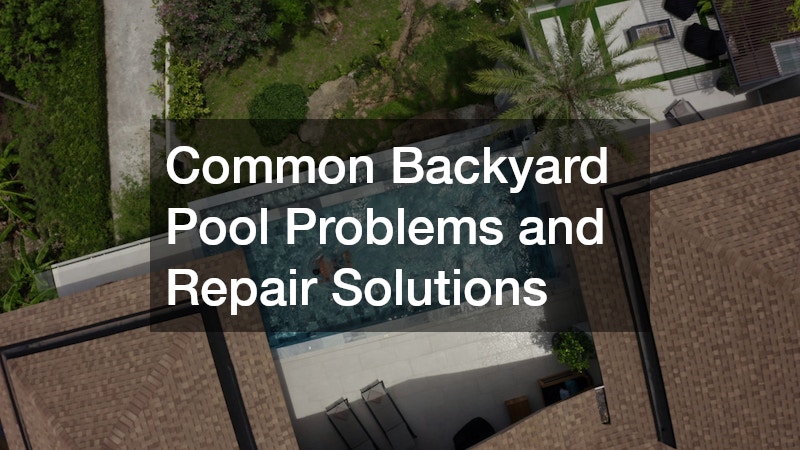
Backyard pools are a major source of enjoyment, relaxation, and family activity, but they also require consistent care to stay safe and functional. Over time, even well-built pools can develop issues related to structure, plumbing, filtration, and surface wear. Many homeowners don’t notice small problems until they turn into expensive repairs, which is why understanding early warning signs is essential.
This guide breaks down the most common pool problems homeowners face and provides practical, actionable solutions. Whether you are dealing with leaks, equipment failures, or structural damage, knowing what to look for can help you make faster and more informed decisions before issues worsen.
You will also learn when it makes sense to handle minor fixes yourself and when professional intervention is necessary. The goal is to help you maintain a safe, clean, and reliable backyard pool year-round.
Structural Movement and Early Warning Signs
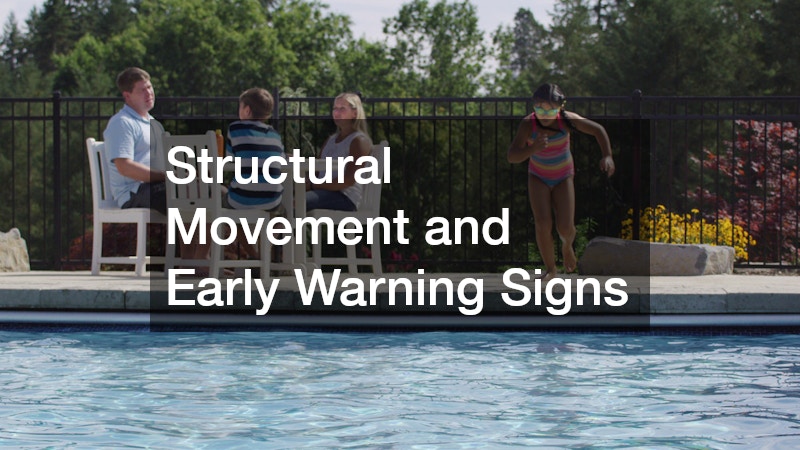
One of the most overlooked issues in backyard pools is gradual structural shifting. Soil movement, weather changes, and long-term water pressure can all impact the integrity of your pool shell. Over time, even small environmental changes—such as freeze-thaw cycles, heavy rainfall, or drought conditions—can cause the ground beneath a pool to expand, contract, or settle unevenly. This slow movement often goes unnoticed until visible damage appears, making early inspection essential.
Common signs include:
- Small cracks forming in pool walls or floors
- Uneven water levels without visible leaks
- Gaps forming between decking and pool edges
- Tile loosening or surface separation
In some cases, homeowners may also notice more subtle indicators such as recurring hairline cracks that reappear after patching, slight sinking of surrounding patio areas, or minor shifts in pool coping alignment. These smaller signs often point to deeper foundational stress rather than simple surface wear.
Actionable tips:
- Inspect your pool monthly for new cracks or changes
- Use a marker to track crack growth over time
- Monitor surrounding soil for erosion or sinking
- Check water levels consistently for unexplained drops
- Take dated photos to compare structural changes over time
- Ensure proper drainage around the pool to reduce soil pressure
- Pay attention to any changes after heavy rain or freezing temperatures
Early detection is critical. Minor cracks can often be sealed before they spread, but ignoring them can lead to major structural failure and costly reconstruction. In more severe situations, shifting ground can compromise plumbing lines, damage decking, and create uneven pressure that accelerates deterioration. Addressing these warning signs promptly helps maintain the stability, safety, and long-term usability of your pool while preventing expensive repairs later on.
Equipment Breakdowns and System Failures
Pool equipment plays a major role in water circulation, cleanliness, and temperature control. When systems fail, the entire pool’s functionality is affected, often within a short period of time. A single malfunctioning component can disrupt water balance, reduce filtration efficiency, and create unsafe swimming conditions if left unresolved. Because most equipment operates continuously during peak swimming seasons, wear and tear is inevitable without consistent maintenance.
Common equipment issues include:
- Pump motor failure or reduced circulation
- Clogged or damaged filters
- Heater malfunction or inconsistent heating
- Timer and electrical control issues
Other frequent problems may involve air leaks in suction lines, worn-out O-rings, or failing pressure gauges that give inaccurate readings. These smaller issues often go unnoticed but can gradually strain the entire system, leading to more expensive repairs if ignored.
Helpful troubleshooting steps:
- Clean filters regularly to prevent clogging
- Listen for unusual pump noises or vibrations
- Check circuit breakers and electrical connections
- Monitor water clarity as an indicator of system health
- Inspect pump baskets for debris buildup
- Ensure proper water levels to avoid pump strain
It is also important to observe how quickly water circulates through the system. Slow turnover rates often indicate underlying mechanical inefficiencies that require attention. In some cases, replacing a small worn component can restore full functionality without needing a full system overhaul.
Many homeowners rely on pool services for routine inspections and maintenance because small equipment issues can quickly escalate. A reputable pool company can diagnose problems early and recommend whether pool repair or replacement is more cost-effective. Professional technicians also have the tools to test pressure levels, evaluate motor performance, and ensure all electrical components are operating safely. Early intervention not only extends equipment lifespan but also helps prevent unexpected breakdowns during peak usage periods.
Surface Wear and Liner Deterioration
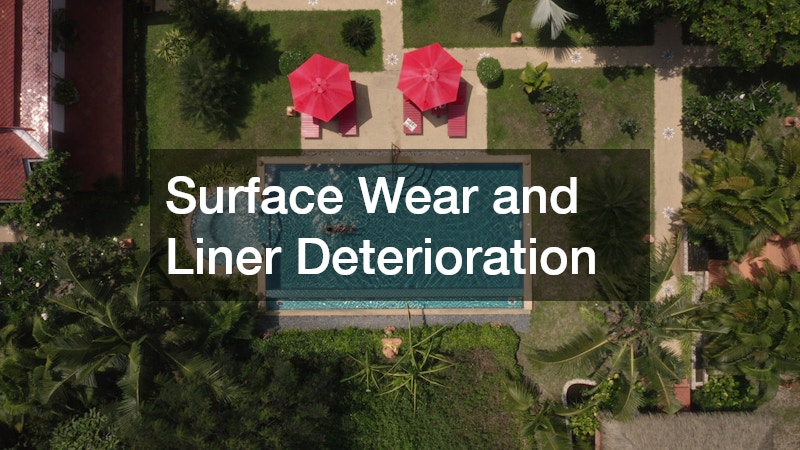
Over time, pool surfaces naturally degrade due to chemical exposure, sunlight, and constant water contact. Ignoring surface damage can lead to leaks and more serious structural issues that are costly to repair. The interior finish of a pool is constantly under stress from UV rays, fluctuating temperatures, and chemical treatments designed to keep the water clean. While these elements are necessary for proper maintenance, they also slowly break down protective coatings and liners.
Common problems include:
- Faded or discolored surfaces
- Tears or wrinkles in liners
- Rough or peeling plaster
- Staining from algae or metals
In addition to these visible issues, homeowners may also notice increased difficulty in maintaining water balance, as deteriorating surfaces can harbor bacteria or absorb chemicals unevenly. Small imperfections often expand over time, especially in areas with heavy use such as steps, shallow ends, or entry points.
Maintenance strategies:
- Maintain balanced water chemistry to protect surfaces
- Avoid sharp objects in the pool area
- Brush surfaces weekly to prevent buildup
- Address small liner tears immediately
- Rinse off debris like leaves or dirt promptly
- Use pool covers when the pool is not in use for extended periods
Applying a consistent maintenance routine is the best way to slow surface deterioration. Regular brushing helps prevent algae from embedding into porous areas, while proper chemical balance reduces erosion of plaster or vinyl liners. Even small adjustments in chlorine or pH levels can significantly impact long-term surface condition.
Surface damage is often gradual, making it easy to overlook until it becomes severe. Regular inspections help extend the lifespan of your pool’s interior finish and reduce the likelihood of needing full resurfacing or liner replacement prematurely.
Above-Ground Pool Stability and Setup Issues
An above ground pool is popular for affordability and flexibility, but they come with unique structural challenges. Unlike inground systems that rely on reinforced excavation, above-ground pools depend heavily on the quality of the base and frame assembly. Even minor mistakes during setup can lead to long-term stability issues that become more serious over time, especially after heavy use or seasonal weather changes.
Common issues:
- Wall bulging or frame instability
- Liner slipping or shrinking
- Uneven base causing water imbalance
- Ladder or entry point safety concerns
Additional problems may include corrosion of metal components, weak joint connections, or shifting sand and soil beneath the pool base. These issues often begin subtly but can escalate quickly, especially when the pool is filled and weight distribution becomes uneven.
Maintenance and prevention tips:
- Ensure a perfectly level installation base
- Inspect support frames regularly for rust or bending
- Replace damaged liners promptly
- Keep surrounding ground compact and stable
- Re-level the base if any settling is noticed
- Check fasteners and connectors at the start and end of each season
- Remove water buildup around the perimeter after heavy rain
It is also important to monitor how the pool responds when fully filled. Uneven water lines or visible leaning can indicate foundational issues that need immediate correction. Ignoring these signs may lead to structural collapse or severe liner damage.
A pool installer plays a key role in ensuring proper setup from the beginning. Proper site preparation, including ground leveling and base stabilization, directly impacts the pool’s long-term durability. Poor installation is one of the leading causes of long-term issues in above-ground systems, so professional installation is highly recommended to avoid repeated repairs and safety risks.
Inground Pool Structural Concerns
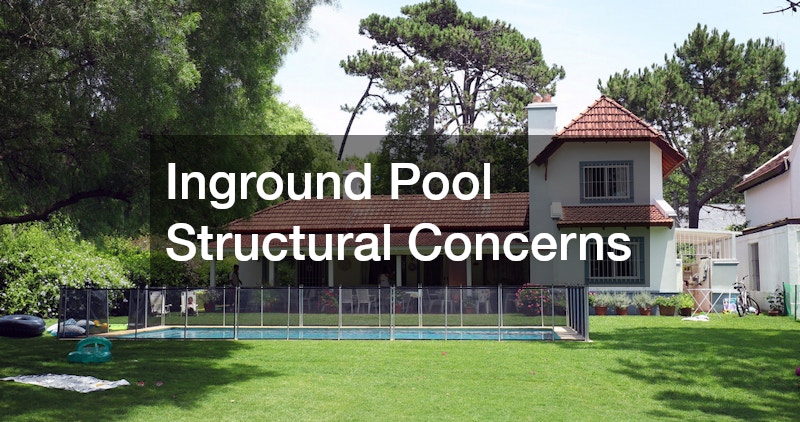
Inground pools are more permanent but also more complex when problems arise. Structural and plumbing issues often develop underground, making them harder to detect early and more expensive to fix once they progress. Because much of the system is hidden beneath the surface, small warning signs are frequently overlooked until visible damage appears in the pool shell or surrounding deck area.
Common problems include:
- Underground pipe leaks
- Shifting soil causing shell cracks
- Drainage issues around the pool base
- Uneven pressure on pool walls
Additional concerns may include tree root intrusion, collapsed plumbing lines, or voids forming beneath the pool due to improper drainage. These hidden issues can slowly destabilize the entire structure, leading to uneven surfaces, sinking coping stones, or persistent water loss that is difficult to trace without professional equipment.
Key maintenance actions:
- Monitor surrounding soil for sinking or erosion
- Check for unexplained water loss regularly
- Schedule seasonal inspections
- Watch for surface cracks or tile separation
- Inspect decking for lifting or separation from the pool edge
- Pay attention to changes in water circulation strength
- Document any recurring wet spots around the pool area
Consistent monitoring is especially important after heavy rain or freezing conditions, as soil expansion and contraction can increase underground pressure on pipes and the pool shell. Early detection can prevent minor structural shifts from turning into major system failures.
An inground pool company can provide advanced diagnostic tools such as pressure testing, leak detection systems, and camera inspections to accurately locate hidden issues. Addressing issues early prevents expensive excavation or reconstruction work later and helps maintain the long-term stability and safety of the pool environment.
Water Quality and Chemical Balance Issues
Water clarity and chemical balance are essential for safe swimming conditions. Poor maintenance can quickly lead to unsafe or unpleasant water conditions.
Common water problems:
- Cloudy or murky water
- Algae growth on walls and floors
- Skin or eye irritation
- Strong chemical odors
Solutions include:
- Regular testing of pH, chlorine, and alkalinity
- Shock treatments when algae is present
- Proper filtration cycle management
- Cleaning skimmers and baskets frequently
Balanced water not only improves safety but also protects pool equipment and surfaces from long-term damage.
Deciding When Professional Help Is Needed

Not all pool problems can or should be handled by homeowners. Recognizing when to call a professional can save time, money, and prevent safety risks.
Signs you need expert help:
- Persistent leaks despite repairs
- Electrical or pump system failures
- Structural cracking or shifting
- Cloudy water that won’t clear
Professional services typically include:
- Full system inspections
- Leak detection testing
- Equipment repair or replacement
- Water chemistry correction
While DIY maintenance is useful, complex issues require trained technicians to ensure long-term solutions.
A swimming pool contractor can assess overall system health and determine whether repairs are sufficient or if larger interventions are needed.
Renovation and Removal Considerations
Some pools reach a point where repairs are no longer practical or cost-effective. In these cases, homeowners may consider renovation or complete removal.
Common reasons for removal:
- Severe structural damage
- High ongoing maintenance costs
- Desire for backyard redesign
- Outdated or unused pool systems
Options include:
- Partial renovation to extend pool life
- Full reconstruction with modern upgrades
- Complete removal and landscape restoration
Professional pool removal services handle excavation, drainage, and site leveling to prepare the yard for new use. This option is often chosen when repair costs exceed replacement value.
Preventative Maintenance for Long-Term Performance
Preventative maintenance is the most effective way to avoid major pool problems. Consistent care reduces repair costs and extends the lifespan of all components.
Best practices:
- Clean filters and baskets weekly
- Test water chemistry at least twice per week
- Inspect equipment monthly
- Schedule seasonal professional checkups
Additional tips:
- Keep surrounding areas clean to reduce debris
- Monitor water levels regularly
- Address small issues immediately before they escalate
A strong maintenance routine ensures fewer surprises and more reliable pool performance year after year.
Choosing Reliable Pool Professionals
Selecting the right professionals is essential for quality repairs, installation, and long-term maintenance. Poor workmanship can lead to recurring issues and unnecessary expenses.
What to look for:
- Verified experience with your pool type
- Strong customer reviews and references
- Clear pricing and service agreements
- Proper licensing and insurance
A knowledgeable team of fence builders can also improve safety and privacy around your pool area, ensuring a secure environment for families. Additionally, a trusted fence supplier provides durable materials that withstand outdoor conditions and complement your backyard setup.
Working with reliable professionals ensures that both pool systems and surrounding structures remain safe, functional, and visually appealing.
Backyard pools offer enjoyment and relaxation, but they also require ongoing attention to remain in good condition. From leaks and equipment issues to structural wear and water quality problems, understanding the early signs of trouble is the key to avoiding expensive repairs.
By staying proactive with maintenance and knowing when to bring in professionals, homeowners can significantly extend the life of their pool while maintaining safety and performance. Whether your pool is newly installed or years old, consistent care is the most effective way to protect your investment and enjoy it for seasons to come.