Ensuring your home remains comfortable throughout the year is a top priority for any Pacific Northwest homeowner. In our region, where weather can swiftly shift from crisp, rainy autumn mornings to unexpectedly warm summer afternoons, a well-functioning heating, ventilation, and air conditioning system is absolutely essential. When your system starts acting up—whether it is blowing lukewarm air, making strange clanging noises, or refusing to turn on at all—the pressure to fix it quickly can lead to hasty decisions. However, rushing into a hiring decision can result in shoddy workmanship, inflated costs, and recurring mechanical issues. Selecting the right professional ensures your system is handled with care, saving you money and stress down the line.
This comprehensive guide walks you through the best practices for finding, vetting, and choosing the perfect technician to handle your HVAC repair in Seattle.
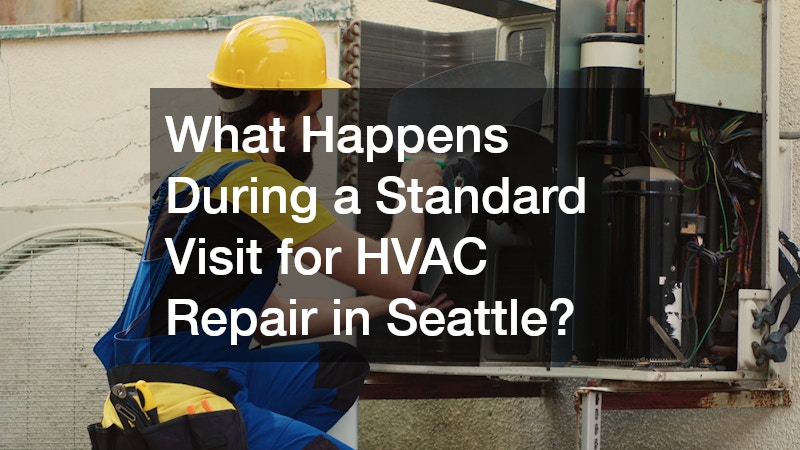
For many homeowners, calling a technician can bring a bit of anxiety simply because they do not know what to expect during the appointment. Demystifying the process helps you prepare your home and communicate effectively with your service provider. Let’s break down exactly what happens from the moment a technician arrives at your doorstep.
The Initial Arrival and Professional Greeting
A standard service visit begins with a professional introduction. A reputable contractor will provide a narrow arrival window and often send a text or email notification when the technician is en route, complete with the technician’s name and photo. Upon arrival, the professional should park in a designated area, wear a clean company uniform, and prominently display their identification badge.
Before stepping across your threshold, a respectful technician will put on protective shoe covers and prepare drop cloths to safeguard your flooring. The visit kicks off with a brief interview. The technician will ask you to describe the symptoms you have noticed, such as odd sounds, strange smells, or weak airflow, and ask about the recent operational history of the unit.
Advanced Diagnostic Testing with Specialized Tools
If the system fails to run or operates poorly, the technician transitions to advanced diagnostic testing. This is where their specialized training and tools come into play. Using a digital multimeter, they will measure electrical voltages and currents across vital components like capacitors, relays, and the compressor motor to pinpoint electrical failures.
They will also hook up specialized pressure gauges to analyze refrigerant levels, as low pressure can indicate a hidden leak while high pressure might point to a restriction in the system. For heating systems, they will test the gas pressure, inspect the electronic ignition or pilot assembly, and use specialized sensors to check the heat exchanger for dangerous cracks. Collecting this precise data is foundational to performing an accurate HVAC repair in Seattle.
Clear Explanation of Findings and Options
After isolating the root cause of the malfunction, a great technician will never just start replacing parts without your explicit permission. Instead, they will sit down with you to explain their findings in plain, easy-to-understand language. They will show you the faulty components or share the data readings that led to their diagnosis.
During this conversation, the technician should present you with your available options. If the fix is straightforward, they will outline the necessary parts and labor. If the system is older and facing a catastrophic failure, they might provide a transparent comparison between the cost of a temporary patch and the long-term benefits of replacing the unit with a modern, energy-efficient model.
Performing the Repair and System Testing
With your approval secured, the technician will fetch the necessary parts from their service vehicle—which is typically stocked with standard components—and begin the physical repair. They will carefully replace the failed parts, tighten loose connections, and clean out any debris that could impede system operation.
Once the new components are installed, the job is still not quite finished. The technician must run the system through a complete operational cycle to verify that the fix was successful. They will measure the airflow, check the temperature split across the supply and return vents, and ensure the unit shuts down correctly when your home reaches the target temperature.
Final Cleanup and Preventative Maintenance Advice
The final stage of a standard visit focuses on restoring your home to its original state and preparing you for the future. The technician will pack up their tools, remove their protective gear, and thoroughly clean the workspace, leaving your home just as clean as they found it.
Before leaving, they will provide you with a digital or paper copy of the completed service invoice, which details the work performed and outlines the warranties on the newly installed parts. A forward-thinking professional will also offer a few customized tips on preventative maintenance, such as how often to change your specific air filter type, to help you prevent the need for another emergency HVAC repair in Seattle down the road.
Understanding the anatomy of a standard service appointment takes the mystery out of home maintenance. From the initial professional greeting and advanced electrical diagnostics to the final system testing and cleanup, every step in the process is designed to ensure your system operates safely and efficiently. By knowing what to expect, you can confidently oversee the work on your property, ask the right questions, and maintain a comfortable, safe indoor climate for your family through every changing season.