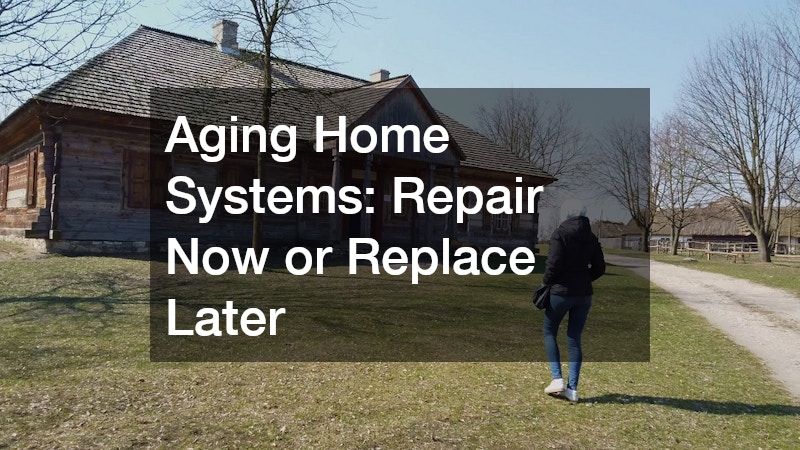
Every homeowner eventually faces the same question: is it time to fix what is broken, or should you plan for a full replacement before the next breakdown hits? Aging systems rarely fail on a convenient schedule, and the wrong call can mean wasted money or a much bigger emergency down the road. This guide walks through the major home systems that tend to wear out over time, offering practical signs to watch for so you can make a confident, informed decision. By the end, you will have a clearer sense of when a repair still makes sense and when replacement is the smarter long-term investment.
Aging Roofs and When Patchwork Stops Making Sense
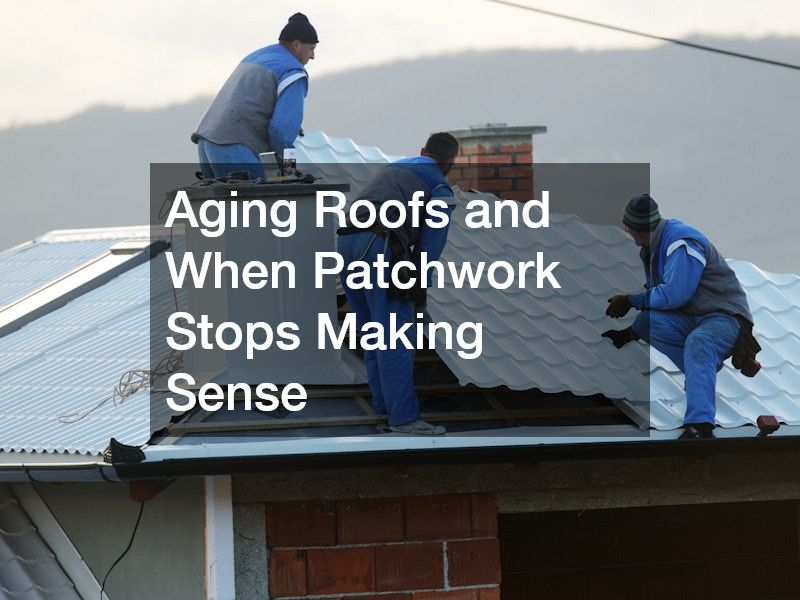 A roof is one of the most expensive systems to replace, which is why many homeowners lean toward patching leaks year after year. But once a roof passes the fifteen-year mark, repeated repairs often become a temporary fix for a problem that keeps resurfacing in new spots. A qualified roofing contractor can inspect the decking, flashing, and shingle condition to tell you honestly whether another patch will hold or whether you are just delaying an inevitable full tear-off.
Granule loss, curling shingles, and daylight visible through the attic boards are all signs that the underlying materials have degraded beyond simple spot repair. Waiting too long on a failing roof can lead to water intrusion that damages insulation, drywall, and even the home’s structural framing.
- Multiple active leaks in different areas of the roof
- Shingles that are cracked, curling, or missing granules
- Visible sagging along the roofline
- Repair costs approaching 50 percent of a full replacement quote
Heating and Cooling Equipment Nearing the End of Its Lifespan
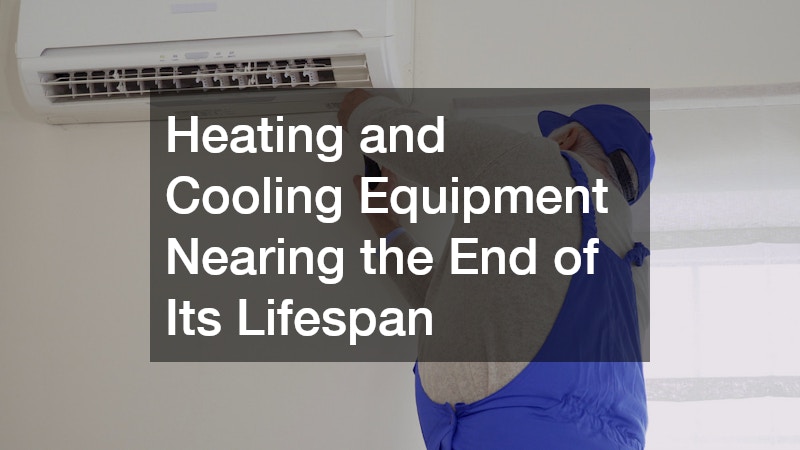
Most furnaces and central air conditioners are built to last between fifteen and twenty years, but performance often starts declining well before that. If your system is requiring service calls every cooling season, it may be cheaper in the long run to replace it rather than keep paying for parts and labor. Reputable AC companies can run a load calculation and efficiency comparison to show you what a modern unit would save on monthly utility bills.
Refrigerant type is another factor worth considering, since older systems using phased-out refrigerants can become expensive to service as supplies shrink. A system that is limping along on borrowed time can also strain your ductwork and indoor air quality, making the decision about more than just comfort.
Plumbing Pipes and Fixtures That Signal Bigger Trouble
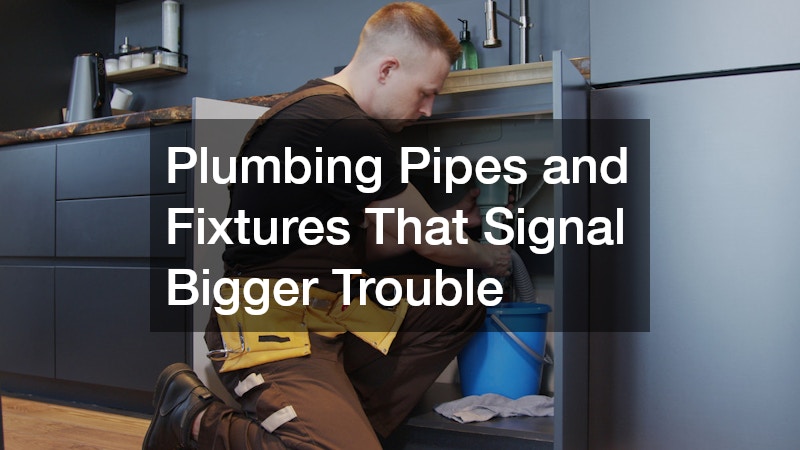
Plumbing issues often start small, a slow drip under the sink or a toilet that runs longer than it should, but these minor annoyances can be early warnings of aging pipes throughout the house. Galvanized steel and some early plastic piping systems were never meant to last a lifetime, and corrosion inside the pipe walls can restrict water flow long before a visible leak appears. Bringing in licensed plumbers for a whole-home inspection can reveal whether you are dealing with an isolated fixture problem or a systemic pipe issue.
Low water pressure across multiple fixtures, discolored water, and frequent clogs are all signs that repairs may only be a stopgap. Replacing a home’s main supply lines is disruptive, but it is far less costly than dealing with a burst pipe inside a finished wall.
- Rusty or discolored water from more than one faucet
- Water pressure that has dropped noticeably over time
- Frequent pinhole leaks in copper piping
- Pipes that are original to a home built before 1970
Electrical Panels and Wiring in Older Homes
Homes built several decades ago were wired for a fraction of the electrical load that modern households demand, and an outdated panel can become a genuine safety hazard rather than just an inconvenience. Warning signs include breakers that trip frequently, warm outlet covers, or a panel that still uses fuses instead of circuit breakers. A licensed electrician can evaluate whether the existing panel can be safely upgraded or whether the entire electrical system needs rewiring to meet current code.
Insurance companies are increasingly scrutinizing older electrical systems, and some will not renew coverage on homes with known hazards like aluminum wiring or federal pacific panels. Addressing these issues proactively protects both your family’s safety and your ability to insure the property.
Water Heaters and the Real Cost of Waiting Too Long
A water heater tends to fail quietly until the day it does not, often leaving a flooded utility closet or garage as the first real warning sign. Tank units typically last eight to twelve years, and once a unit passes that range, the tank walls have likely thinned enough that a rupture becomes a matter of when, not if. The average water heater failure causes several thousand dollars in water damage once flooring, drywall, and nearby cabinetry are factored in, which makes a $150 repair look tempting but often shortsighted. Rust-colored water, popping or rumbling noises during heating cycles, and moisture pooling at the base of the tank are all reasons to replace rather than repair. The popping sound comes from sediment buildup hardening at the bottom of the tank, which forces the burner to work harder and overheat the metal above it. Once that sediment layer is thick enough to cause noise, the tank has usually already sustained damage that a flush cannot undo. A useful rule of thumb: if the unit is past year seven and the repair bill exceeds 25 to 30 percent of a replacement’s cost, replacement is almost always the better financial move. Minor fixes like replacing a thermocouple, heating element, or pressure relief valve are worth doing on a younger unit still under warranty. But once the tank itself is leaking, no repair exists — the tank is a sealed vessel, and any breach means the whole unit needs to go. Homeowners weighing tankless conversion during a replacement should also factor in the ten-plus years of extended lifespan tankless units typically offer, along with the venting and gas line upgrades that installation may require.
Most tank-style water heaters last 8 to 12 years, and once you’re past that range, every day of use is a bit of a gamble. A slow leak at the bottom of the tank often means the internal liner has failed, and that’s not something a repair can fix—it’s a sign replacement is overdue. Waiting for a full failure usually means water damage to flooring, drywall, and anything stored nearby, which can turn a $1,200 replacement into a $5,000+ cleanup job. Tankless water heaters have become a popular replacement option because they last longer (often 15 to 20 years) and take up less space, though they require different maintenance routines like periodic descaling, especially in homes with hard water. They also cost more upfront and may require upgrades to gas lines or electrical capacity, so it’s worth getting a quote before assuming it’s a straightforward swap. Whichever style you choose, replacing a water heater on your own schedule is always better than replacing it after an emergency flood. Signs like rusty water, rumbling noises, or a tank older than a decade are worth acting on before they force your hand.
Aging Swimming Pools and Structural Wear Over Time
Pools built decades ago were often constructed with gunite shells that, while durable, can develop cracks, surface roughness, and plumbing leaks as the years pass. Cosmetic resurfacing can address minor cracking, but structural issues in the pool shell or aging plumbing lines usually call for more comprehensive gunite pool renovations rather than repeated patch jobs. A pool that loses water faster than evaporation would explain likely has a leak somewhere in the shell, skimmer, or underground lines.
Outdated pool equipment, including single-speed pumps and old filtration systems, can also drive up energy costs significantly compared to newer, more efficient models. Renovating a pool at the right time not only restores its appearance but can extend its usable life by another two decades or more.
Outdoor Living Structures That Show Their Age

Decks, patios, and retaining walls take a beating from weather and time, and their materials do not always fail gracefully. A wood deck with soft or spongy boards, rusted fasteners, or a wobbly railing has moved past cosmetic wear into a genuine safety concern. Consulting a hardscape contractor can help determine whether a patio or walkway simply needs releveling and resealing or whether the base has shifted enough to require a full rebuild.
Stone and paver surfaces can often be repaired individually without redoing an entire installation, which makes catching problems early especially valuable. Waiting until an entire patio has heaved or settled unevenly usually means a more expensive and disruptive project later on.
- Cracked or shifting pavers that create trip hazards
- Wood decking with soft spots or visible rot
- Retaining walls that are bulging or leaning
- Gaps forming between a patio and the house foundation
Fencing, Trees, and Yard Elements Reaching Their Limits
Fences are exposed to constant moisture, sun, and ground movement, and even quality materials eventually warp, rot, or rust at the posts. A reliable fence company can assess whether individual panels can be swapped out or whether the posts themselves have deteriorated enough that a full replacement is the more sensible investment. Leaning sections, snapped pickets, and gates that no longer latch properly are common signs that a fence is past simple repair.
Mature trees near a home present a different kind of aging concern, since root systems and canopy weight change over the decades in ways that can threaten structures and power lines. A certified tree removal company can evaluate whether a tree is simply due for pruning or whether disease, storm damage, or root instability make removal the safer choice. Ignoring a declining tree near a house or driveway can lead to far more expensive damage than the cost of proactive removal.
Indoor Air Quality Problems Tied to Aging Systems
As homes age, small failures in roofing, plumbing, or ventilation can create hidden moisture problems that eventually lead to mold growth inside walls, attics, or crawl spaces. Persistent musty odors, visible dark spots on ceilings, or unexplained allergy symptoms among household members are all reasons to investigate further. Professional mold removal is often necessary once growth has spread beyond a small surface area, since simply painting over the problem does not address the moisture source feeding it.
Addressing the root cause, whether that is a slow roof leak, a failed vapor barrier, or poor bathroom ventilation, is just as important as removing the visible mold itself. Skipping that step means the problem is likely to return within a year or two, costing more in the long run.
Kitchen and Bathroom Surfaces Nearing Replacement
Countertops and cabinetry do not fail the way mechanical systems do, but chipped laminate, stained grout, and worn cabinet hardware can signal that a renovation is overdue rather than just cosmetic touch-ups. Many homeowners upgrading from older countertop materials choose quartz countertops for their durability and resistance to staining, since natural stone alternatives require more ongoing sealing and maintenance. Replacing worn surfaces during a broader remodel is often more cost-effective than tackling each element separately over several years.
Beyond appearance, an aging kitchen or bathroom can also hide functional issues like water damage under sinks or outdated electrical outlets that no longer meet safety codes. Bundling cosmetic upgrades with necessary system repairs during the same project can save both time and money.
Backup Power Systems Worth Considering Before an Emergency
As homes accumulate more aging systems, the risk of a prolonged power outage causing cascading problems, like a failed sump pump or a warming refrigerator, becomes harder to ignore. Standby generators have become increasingly popular among homeowners who want automatic backup power during storms or grid failures, rather than relying on portable units that require manual setup. Sizing a generator correctly depends on which circuits or systems you want to keep running, from just the essentials to the entire house.
Homeowners in areas with frequent severe weather or aging utility infrastructure often find that a backup power system pays for itself the first time it prevents spoiled food, a flooded basement, or frozen pipes during an extended outage.
Deciding between repair and replacement rarely comes down to a single factor, but understanding the age, condition, and failure patterns of each system in your home puts you in a much stronger position to plan ahead. Start by identifying which systems are closest to the end of their expected lifespan, then get professional assessments before small problems turn into costly emergencies. Prioritizing proactive replacement on your own timeline, rather than reacting to sudden failures, will save money and stress in the long run.