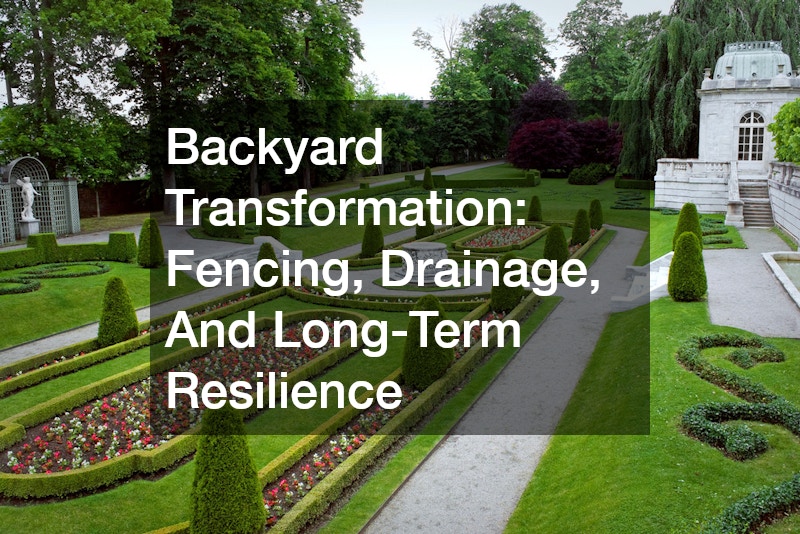
A backyard that floods every spring, sags with old fencing, or turns to mud after every storm is more than an eyesore; it is a long-term drain on your property value and your patience. Transforming that space into something durable and functional takes more planning than most homeowners expect, touching everything from grading and drainage to the materials you choose for boundaries and hardscaping.
This guide walks through the practical decisions that hold up over decades, not just one season, so you can prioritize the right upgrades in the right order. Whether you are starting from a blank slate or fixing a yard that keeps causing problems, the goal is the same: build something that lasts.
Grading and Site Preparation Before Any Build Begins
Every successful backyard project starts below the surface, with an honest assessment of how water moves across your property. Poor grading is the root cause of most backyard drainage failures, and no amount of landscaping on top will fix a slope that pushes water toward your foundation instead of away from it. Before you install a single fence post or patio slab, it pays to map out high points, low points, and where runoff naturally collects after rain.
This is also the stage where you decide whether old concrete, broken patios, or crumbling walkways need to go. Concrete crushing on site is often more cost-effective than hauling slabs away whole, since the crushed material can be reused as a stable base layer for new pathways or fencing footings. Reusing that material also reduces landfill waste and cuts down on trucking costs, which matters if your yard has limited access for heavy equipment.
Hiring the Right Professional for Grading and Excavation Work
Regrading a yard, digging trenches for drainage pipe, or leveling a large slope is not a weekend DIY project for most homeowners, especially once you are moving more than a few inches of soil. An experienced excavating contractor understands soil composition, local frost lines, and how to avoid disturbing utility lines that may run closer to the surface than people assume. Getting this step wrong can mean redoing an entire project a year later once erosion or settling reveals the mistake.
When interviewing contractors, ask specifically about their experience with residential backyard projects rather than only commercial site work, since the equipment and approach can differ significantly.
- Request references from jobs completed at least two years ago, so you can see how the grading held up over time
- Ask whether they carry insurance for property and utility damage
- Confirm they will obtain any required permits for grading or drainage work
- Get a written estimate that separates labor, equipment, and material costs
Choosing Fencing Materials That Hold Up Over Time
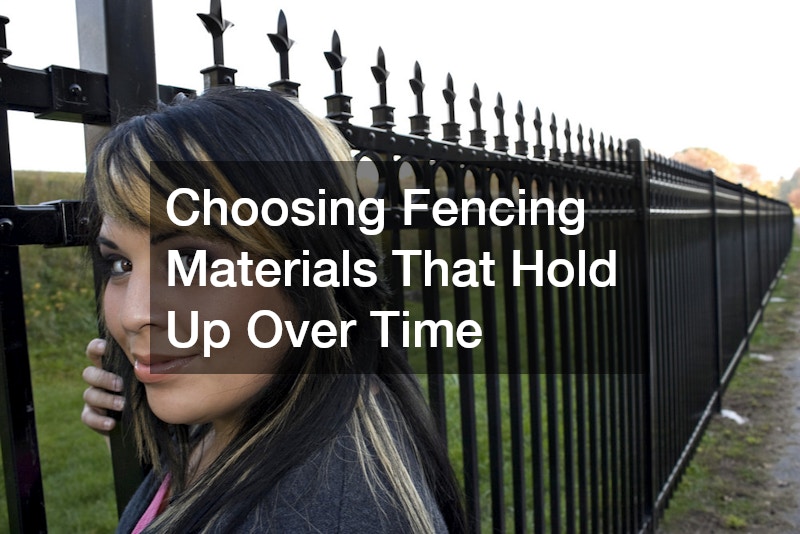
Fencing is often the most visible part of a backyard transformation, and the material you choose affects both maintenance and lifespan. Wood offers a classic look but requires regular staining or sealing to resist rot, while vinyl resists weather but can crack in extreme cold. For homeowners who want something budget-friendly and low maintenance, cyclone fence material remains one of the most durable options for marking property lines or containing pets, especially in yards where security matters more than curb appeal.
Chain link, another name for the same galvanized wire fencing, holds up well against wind and requires almost no upkeep beyond an occasional check for loose ties or rust spots. It is also one of the easiest fence types to install on uneven terrain, which makes it a practical choice for sloped backyards where wood panels would need custom cutting.
Designing Drainage Systems That Prevent Future Flooding
Once grading is corrected, a proper drainage system keeps water moving away from structures instead of pooling near foundations or fence lines. French drains, dry wells, and simple swales all serve different purposes depending on your soil type and the volume of water your yard typically handles. Clay soil drains slowly and often needs a more aggressive drainage plan than sandy soil, which absorbs water more readily on its own.
- French drains work well for redirecting groundwater away from foundations
- Dry wells help absorb runoff from downspouts before it reaches the yard
- Swales use gentle grading to channel surface water toward a safe outlet
- Catch basins collect water from low points and connect to underground piping
Protecting Garage and Outdoor Concrete Surfaces
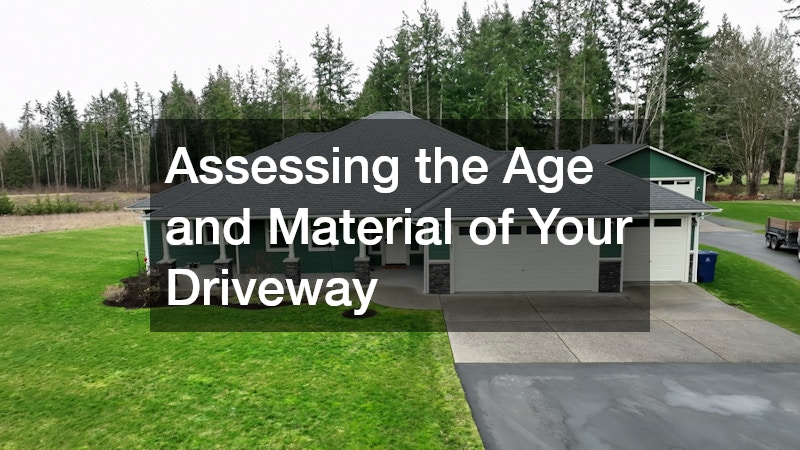
A backyard transformation often extends into attached spaces like the garage, especially if that area floods or shows staining from years of exposure to moisture and chemicals. Applying a garage floor coating protects concrete from oil stains, cracking, and moisture penetration, extending the life of the slab by years. These coatings also make cleanup easier after yard work, since dirt and debris tracked in from outside wipe away rather than soaking into porous concrete.
Beyond the garage, similar sealants and coatings can protect exposed concrete patios or walkways in the backyard itself, reducing the freeze-thaw damage that causes cracking in colder climates.
Managing Weeds and Vegetation Around New Hardscaping
New fencing and drainage systems create fresh disturbed soil, which is exactly the environment weeds thrive in during the first growing season after construction. A consistent weed control plan protects your investment by keeping aggressive root systems away from fence posts, drainage pipes, and paver joints where they can cause long-term structural damage. Pre-emergent treatments applied in early spring are typically more effective than waiting until weeds are already established.
- Apply mulch around fence lines to suppress weed growth naturally
- Use targeted spot treatments near drainage grates to avoid clogging
- Pull weeds by the root immediately after rain when soil is loose
- Consider a gravel or landscape fabric barrier under high traffic areas
Upgrading Indoor Comfort Systems During an Outdoor Overhaul
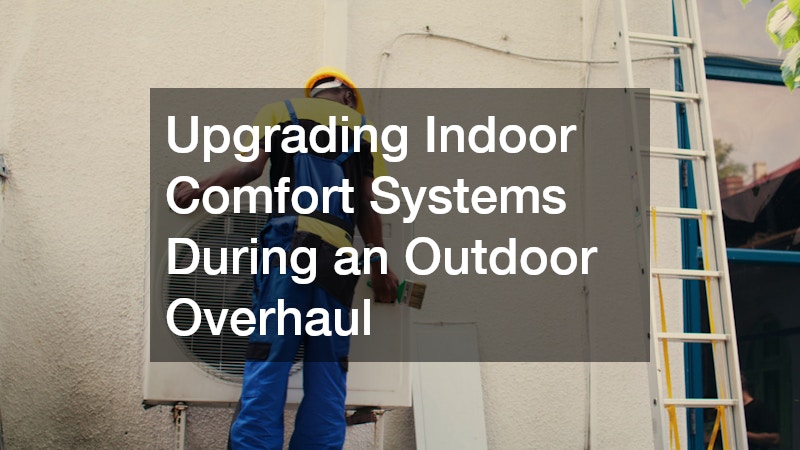
A backyard renovation is a natural time to evaluate the home systems that connect to that outdoor space, particularly heating and cooling equipment often housed along exterior walls. If your central air has been struggling to keep up, scheduling AC repair before summer heat arrives prevents a bigger breakdown once temperatures spike. Contractors working in your backyard for grading or fencing may also need clear access around these units, so addressing repairs early avoids scheduling conflicts later.
For homeowners adding a new outdoor living space, converted garage, or finished area without existing ductwork, a ductless mini split heat pump installation offers targeted heating and cooling without the cost of extending traditional ducts. These systems mount on exterior walls and pair well with backyard structures like converted sheds or pool houses that need independent climate control.
Evaluating Roofing and Structural Additions Near the Yard
Backyard transformations frequently include new structures, covered patios, pergolas, or extended rooflines that tie into the existing home. Any time a roof addition connects to the main house, water that once dispersed harmlessly now gets concentrated into a single system of gutters and downspouts. If that system isn’t planned alongside the yard’s grading, all the runoff can end up funneled straight back into the space you just regraded. Bringing in roofing contractors during the planning phase, rather than after construction is finished, ensures new additions integrate properly with existing gutters and downspouts. They can calculate the added roof square footage and confirm whether your current downspouts and drainage lines can actually handle the increased water volume.
In many cases, a 200-square-foot patio cover adds enough runoff to overwhelm a single undersized downspout during a heavy storm. A poorly connected roofline is one of the most common causes of localized flooding near patios and fence lines. Watch for warning signs like gutters that end abruptly without extensions, downspouts that discharge directly onto pavers, or rooflines that slope toward the fence rather than away from it. Coordinating this work early also lets contractors route new drainage lines underground before hardscaping or fencing is installed, avoiding costly rework later.
It is worth asking any roofing contractor how a new structure’s runoff will be managed before construction begins, rather than discovering the problem after the first heavy rain. A patio cover, pergola conversion, or lean-to shed adds square footage that water has to go somewhere, and “somewhere” is often the yard’s lowest point, right next to the new fence line. Ask specifically where downspouts will discharge, how many gallons per minute the roof can shed during a downpour, and whether that flow ties into existing drainage or simply dumps onto open lawn. A 10×12 roof section can shed several hundred gallons in a single hard rain, enough to erode soil or pool against a fence post if it’s left unplanned.
It also helps to confirm the roofline’s pitch and overhang relative to property lines and fencing, since a steep pitch dumping water within a foot or two of a fence can accelerate rot and footing erosion over time. Simple fixes like gutter extensions, splash blocks, or a short run of buried pipe to a dry well are inexpensive compared to fixing a washed-out fence base later.
Addressing Basement Egress and Safety Requirements
If your backyard transformation includes lowering grade near the house or adding a walkout basement space, building codes may require egress windows to ensure safe emergency exits from below-ground living areas. These windows also bring natural light into basements, making finished lower levels feel less like storage and more like usable square footage. Coordinating this work with your grading and drainage plans matters, since window wells need their own drainage to avoid becoming collection points for runoff.
Homeowners planning to finish a basement as part of a larger renovation should confirm egress requirements with their local building department early, since retrofitting a window well after landscaping is complete adds unnecessary cost and disruption.
Selecting Durable Materials for Outdoor Kitchens and Living Spaces
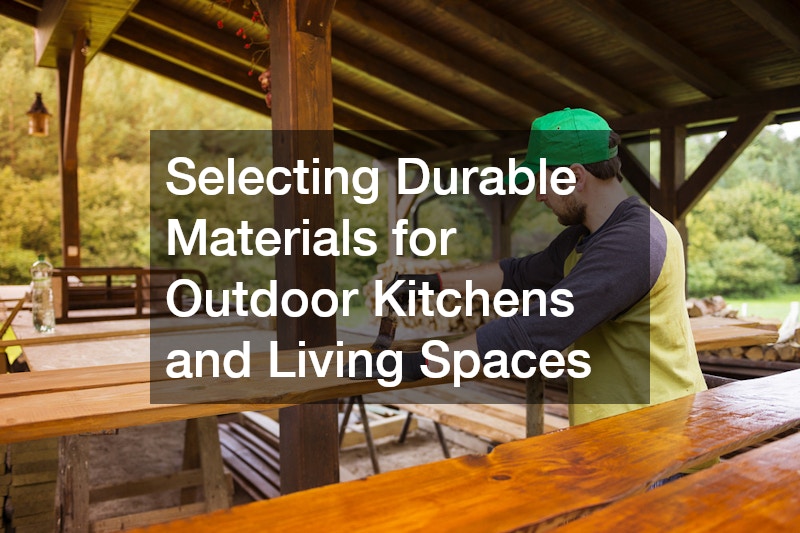
Many backyard transformations now include outdoor kitchens, bars, or entertaining spaces that need materials able to withstand direct sun, rain, and temperature swings year-round. Choosing the right countertops for these spaces matters as much outdoors as it does inside, since materials like granite and concrete resist fading and cracking better than laminate options meant for indoor use. Granite, soapstone, and porcelain slabs are popular choices because they handle UV exposure and freeze-thaw cycles without warping. Concrete countertops offer more design flexibility, but they need a quality sealant to prevent moisture from seeping into hairline cracks that can widen over time.
Stainless steel is another durable option, particularly around grill stations, since it resists rust and won’t degrade under high heat. Cabinetry and framing materials deserve the same scrutiny as countertops. Marine-grade polymer, powder-coated aluminum, and treated teak all perform well in humid or coastal climates where standard wood cabinetry would swell or rot within a few seasons. Sealing countertop surfaces annually helps them resist staining from grilling, food prep, and standing water. For stone surfaces, a penetrating sealer applied every 12 to 18 months is usually enough, while concrete may need resealing yearly depending on rainfall and sun exposure in your region.
Beyond material choice, positioning outdoor kitchens away from low drainage points prevents standing water from undermining cabinetry or support structures over time. Even a slight grade miscalculation—as little as a quarter-inch per foot in the wrong direction—can channel runoff straight toward cabinet bases, accelerating corrosion in stainless steel doors and warping wood-framed units. Before installation, have a contractor confirm that the kitchen pad sits at least a few inches above the surrounding grade, with drainage routed toward a designated outlet rather than pooling near footings. A gravel or crushed-stone base beneath concrete pads adds another layer of protection, allowing water to percolate away instead of collecting against the slab.
It’s also worth considering the placement of utility lines and gas connections in relation to grading, since trenches can inadvertently create channels that redirect water toward the structure if not properly backfilled and compacted. Sealing joints between countertops, backsplashes, and cabinetry with weather-rated caulk further limits moisture infiltration, particularly in regions with freeze-thaw cycles where trapped water can crack stone or masonry components.
Conclusion
A resilient backyard is built in layers, starting with proper grading and drainage, followed by durable fencing, protected hardscaping, and thoughtful additions that all work together rather than against each other. Skipping steps or tackling projects out of order is the most common reason backyard renovations fail within a few years. Take time to plan the full sequence, consult qualified professionals where the work demands it, and prioritize the systems hidden beneath the surface just as much as the visible upgrades. Done right, these changes protect your home’s foundation, your comfort, and your investment for decades to come.