
Weather patterns are shifting, and homes built for yesterday’s storms are increasingly caught off guard by today’s heavier rains, stronger winds, and longer heat waves. Rather than waiting for damage to force your hand, you can take practical steps now to shore up your home’s weakest points. This guide walks through the major systems and structures worth evaluating, from your roof to your foundation to the trees in your yard. The goal is simple: fewer emergency repairs, lower long-term costs, and a home that holds up when conditions turn severe.
Evaluate Your Roof’s Ability to Handle High Winds
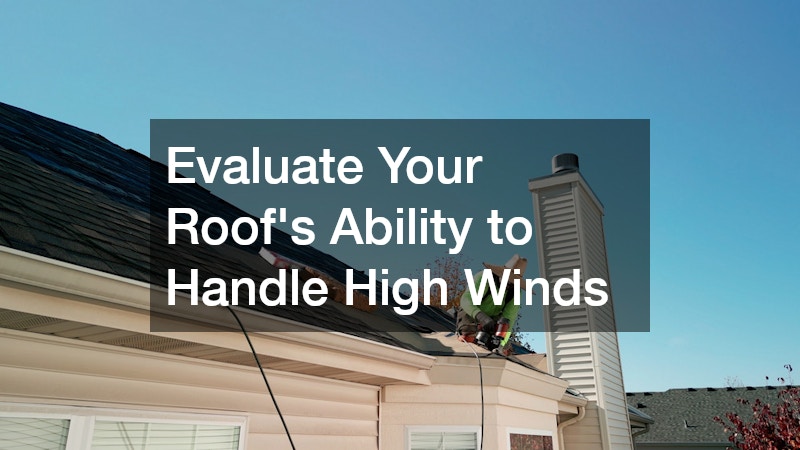
Your roof is your home’s first line of defense, and older roofing systems often were not engineered with today’s wind speeds in mind. Look closely at how your shingles or panels are fastened, whether flashing is intact around chimneys and vents, and how old the underlying materials actually are. Homeowners in wind-prone or hail-prone regions are increasingly turning to standards built specifically for resilience rather than minimum code compliance.
One benchmark worth researching is the IBHS fortified roof standard, which sets stricter requirements for sealing, fastening, and edge protection than typical building codes. Roofs built or retrofitted to this standard have shown measurably better performance in high-wind events and severe storms. Even if a full upgrade isn’t in your budget this year, understanding the standard gives you a checklist for prioritizing repairs.
- Check for missing, cracked, or curling shingles after every major storm
- Confirm that roof decking is properly nailed rather than just stapled
- Ask about sealed roof deck systems that prevent water intrusion if shingles are lost
- Look into impact-resistant materials if you live in a hail-prone area
Reinforce Exterior Walls With Updated Siding
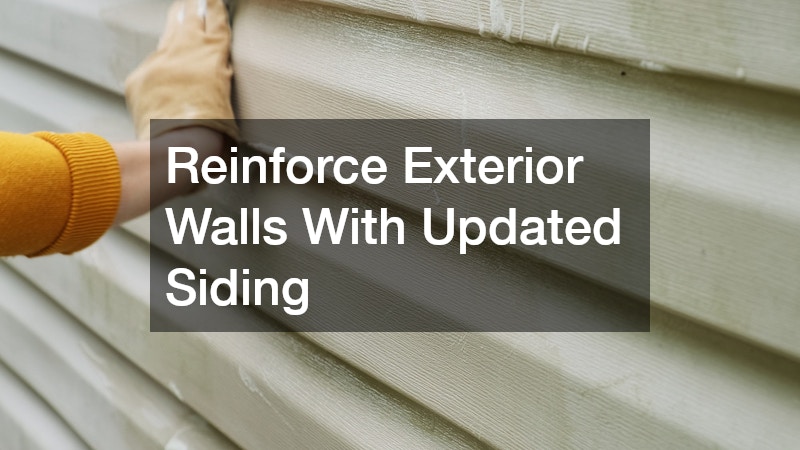
Siding does more than shape your home’s curb appeal; it’s a critical barrier against wind-driven rain and flying debris. Cracked, warped, or loose siding creates gaps where moisture can seep behind the exterior wall, leading to rot and mold long before you notice a problem. If panels are curling at the edges or you can hear rattling during windstorms, it’s a sign the material is no longer performing as it should.
Scheduling siding repair before storm season arrives is far cheaper than dealing with water intrusion afterward. Many newer siding products are rated for higher wind resistance and better impact protection, which matters more each year as storms intensify. Pay attention to the seams and corners especially, since these are the first spots to fail under sustained wind pressure.
- Inspect siding after any storm with winds over 50 mph
- Look for discoloration or soft spots that suggest trapped moisture
- Replace caulking around windows and doors where siding meets trim
- Consider fiber cement or engineered wood for better wind and moisture resistance
Upgrade Entry Points to Resist Forced Water and Wind
Doors are often overlooked in storm preparation, yet they’re one of the most vulnerable points on the exterior of a home. A poorly sealed or aging door can allow wind pressure to build inside the house during a severe storm, sometimes contributing to structural stress or roof uplift. Weatherstripping wears down over time, and older door frames may no longer sit tightly enough to keep water out during heavy, wind-driven rain.
Professional door installation matters just as much as the door itself, since even a high-quality impact-rated door won’t perform well if it’s improperly fitted. When you’re shopping for replacements, ask specifically about wind load ratings and water infiltration testing, not just energy efficiency numbers. A properly installed door should sit flush, latch securely, and show no daylight gaps around the frame.
- Check for warping or gaps around door frames every spring and fall
- Ask about impact-rated glass for doors with large window panels
- Verify wind load ratings match your local building requirements
- Replace worn threshold seals to prevent water from seeping underneath
Manage Trees and Landscaping Before Storms Arrive
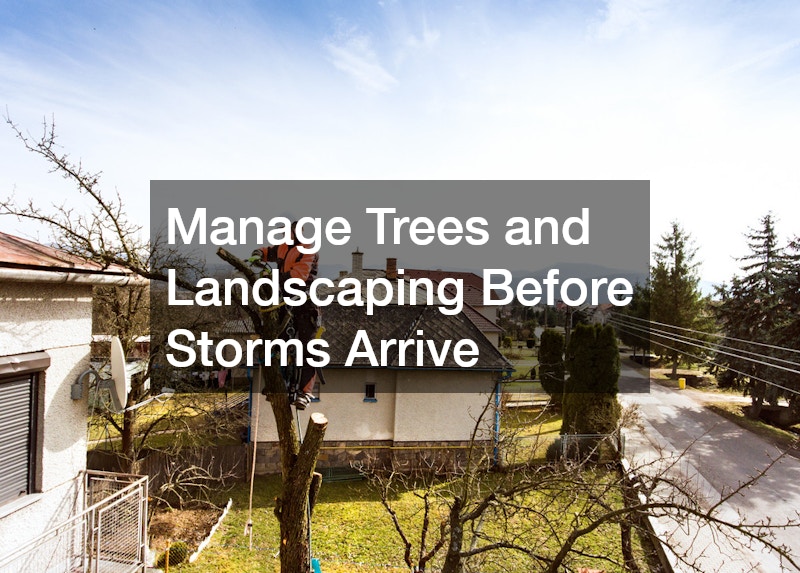
Falling branches and uprooted trees cause a significant share of storm-related property damage every year, and much of it is preventable with routine maintenance. Dead limbs, trees leaning toward the house, and shallow root systems weakened by drought are all red flags worth addressing before wind events, not after. Regular pruning also reduces the surface area that wind can catch, lowering the chance of a tree toppling entirely.
When a tree is clearly dying, hollow, or growing dangerously close to power lines or your roofline, calling in tree removal professionals is safer and more cost-effective than waiting for it to fail on its own. Removal crews can also assess root health and soil conditions that aren’t obvious from the ground. Clearing hazardous trees ahead of storm season protects not just your roof and siding but your family’s safety as well.
- Prune dead or overhanging branches annually
- Watch for fungus at the base of trunks, a sign of internal decay
- Keep trees at least 10 feet from rooflines where possible
- Remove trees with visible root heaving or leaning trunks promptly
Protect Foundations and Driveways From Ground Movement
Extreme weather doesn’t just batter your home from above; shifting soil, heavy rain, and freeze-thaw cycles put pressure on everything below ground level too. Cracked driveways, uneven walkways, and foundation settling are often early signs that drainage isn’t directing water away from your home properly. Left unaddressed, these small cracks can widen and allow water to pool right against your foundation walls.
When concrete has already cracked or settled unevenly, concrete cutting contractors can remove and replace damaged sections without tearing up your entire driveway or patio. This targeted approach is often more affordable than a full replacement and allows for better grading to redirect water flow. Addressing these issues before a major storm reduces the risk of water pooling against your foundation and causing more expensive structural problems later.
- Watch for cracks wider than a quarter inch, which suggest deeper movement
- Check that downspouts direct water at least 5 feet from the foundation
- Regrade areas where water visibly pools after rainfall
- Address driveway settling promptly to avoid trip hazards and drainage issues
Prepare Your Cooling System for Longer Heat Waves

As summers grow hotter and heat waves last longer, your HVAC system works harder and for more extended stretches than it was originally designed to handle. An aging or poorly maintained system is far more likely to fail exactly when you need it most, during a multi-day heat emergency. Scheduling routine maintenance before peak season begins can catch small issues, like low refrigerant or a failing capacitor, before they turn into a full system breakdown.
Investing in timely AC repairs rather than pushing a struggling unit to its limit can extend the life of your system significantly. It’s also worth asking a technician whether your current unit is properly sized for your home, since undersized systems tend to run constantly during extreme heat and wear out faster. A well-maintained cooling system isn’t just about comfort; during dangerous heat waves, it’s a genuine safety issue for children, older adults, and anyone with health conditions.
- Schedule professional maintenance in early spring before peak demand
- Replace air filters monthly during high-use summer months
- Listen for unusual noises that may signal a failing component
- Ask about programmable thermostats to reduce strain during heat waves
Respond Quickly When Water Intrusion Happens
Even the best prevention efforts can’t eliminate every risk, and when water does get into your home, speed matters enormously. Mold can begin developing within 24 to 48 hours of water exposure, and structural materials like drywall and subflooring degrade quickly the longer they stay wet. Knowing what to do in the first few hours after a leak or flood can dramatically reduce your total repair costs.
Calling experienced water damage companies as soon as you notice standing water or persistent dampness gives you the best chance of saving flooring, insulation, and structural elements. These teams bring industrial drying equipment and moisture detection tools that go well beyond what a homeowner can manage with fans and towels. Acting fast also strengthens your position with insurance, since documented rapid response shows you took reasonable steps to limit the damage.
- Photograph all damage before beginning cleanup for insurance purposes
- Remove standing water within the first few hours whenever possible
- Watch for musty odors in the days following any water intrusion
- Check attics and crawl spaces, common spots where leaks go unnoticed
Maintain Plumbing Systems to Prevent Pressure-Related Failures
Extreme temperature swings put unusual stress on plumbing systems, from pipes bursting during unexpected freezes to sewer lines backing up during intense rainfall. Older galvanized or poorly insulated pipes are particularly vulnerable, and a single burst pipe can release hundreds of gallons of water into your home within minutes. Regular inspection of exposed pipes, water heaters, and shutoff valves helps you catch weak points before they fail under pressure.
Licensed plumbers can identify aging pipe materials, check water pressure levels, and install backflow prevention devices that protect your home during heavy storms when municipal systems become overwhelmed. It’s worth having a professional walk through your home every few years, especially if you live in an area with increasingly unpredictable freeze-thaw cycles. A small investment in preventive plumbing work is far less costly than repairing extensive water damage after a pipe failure.
- Insulate exposed pipes in crawl spaces, attics, and garages
- Know the location of your main shutoff valve before an emergency happens
- Install a sump pump backup system for homes prone to basement flooding
- Ask about backflow preventers if you’re in a flood-prone neighborhood
Consider Resilient Outdoor Features for Long-Term Value
If you’re planning outdoor upgrades, it’s worth choosing materials and structures built to withstand the conditions your region is increasingly experiencing rather than the mild averages of decades past. Gunite pools, for example, are formed from a sprayed concrete mixture that creates exceptional structural strength compared to vinyl or fiberglass alternatives, making them more resistant to ground shifting and temperature extremes. This durability matters more in regions facing frequent freeze-thaw cycles or seismic activity, where weaker pool structures are prone to cracking.
Beyond pools, think about how any new outdoor investment will hold up over the next twenty years of weather rather than the last twenty. Choosing resilient materials upfront costs more initially but avoids expensive mid-life repairs caused by ground movement or storm exposure. It’s a mindset worth applying to patios, retaining walls, and outdoor structures alike.
- Ask contractors about reinforcement techniques for shifting or expansive soil
- Compare long-term maintenance costs, not just installation price
- Choose materials rated for your region’s specific freeze-thaw or heat patterns
- Factor in drainage design around any new outdoor structure
Plan Larger Renovations With Resilience as a Priority
If you’re already considering a larger renovation, it’s an ideal opportunity to build resilience improvements into the project rather than treating them as a separate expense later. A qualified home remodeling contractor can help you identify structural upgrades, like reinforced framing, impact-resistant windows, or improved attic ventilation, that blend seamlessly into your existing renovation plans. Bundling resilience upgrades with planned work also tends to be more cost-effective than tackling them as standalone projects down the road.
Ask any contractor you’re considering about their experience with wind mitigation, flood-resistant materials, and current local building codes, since requirements have grown more stringent in many high-risk regions. A knowledgeable contractor should be able to walk you through tradeoffs between cost and long-term durability for each material choice. Taking this collaborative approach ensures your home improves in both appearance and resilience at the same time.
- Request references specifically related to storm-resistant upgrades
- Ask how proposed materials perform in your region’s climate risks
- Discuss permit requirements tied to updated resilience codes
- Prioritize upgrades to the roof, windows, and doors first, since they see the most stress
Strengthening your home against increasingly severe weather doesn’t require doing everything at once; it starts with an honest assessment of where your home is most vulnerable right now. Prioritize the systems most likely to fail first, whether that’s an aging roof, worn siding, or a cooling system that struggled through last summer’s heat. Addressing these issues proactively, with the right professionals guiding each step, will save you money, stress, and potential safety risks when the next major storm or heat wave arrives.