Deciding whether to patch a problem or replace it outright is one of the most common dilemmas homeowners face, and the wrong choice can quietly drain thousands of dollars over time. A quick fix might feel like the responsible, budget-friendly move today, but it can mask a bigger issue that resurfaces with a vengeance next year. On the other hand, replacing something too early wastes money you didn’t need to spend. This guide breaks down how to weigh short-term savings against long-term costs so you can make a confident, informed decision for your home.
Understanding the True Cost of Deferred Maintenance
Every homeowner has patched something just to buy a little more time, and often that’s the smart move. The problem arises when patching becomes a repeated pattern instead of a one-time bridge to a planned replacement. Each additional repair adds labor costs, materials, and the risk of unexpected failure at the worst possible moment.
Before deciding, it helps to ask how many times you’ve already fixed the same issue and whether the underlying cause has been addressed. A pattern of recurring problems is usually a signal that the item has reached the end of its useful life, even if it still technically functions.
- Track repair frequency and cost over the past two to three years
- Compare cumulative repair spending to the cost of full replacement
- Consider the age of the system or structure relative to its expected lifespan
- Factor in the value of your own time spent managing repeated repairs
Roofing Repairs vs. Full Roof Replacement
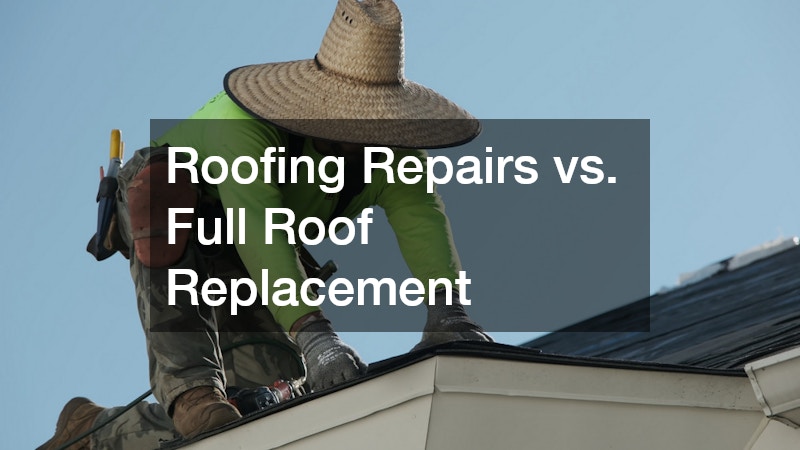
A roof is one of the biggest investments in a home, and small leaks or missing shingles don’t always mean it’s time for a total overhaul. In many cases, targeted roof repair can extend the life of a roof by several years, especially if the damage is isolated to a small area and the underlying decking is still sound. This is often the more cost-effective choice for roofs under fifteen years old that have otherwise been well maintained.
However, if you’re calling for the same repair every storm season, or if granule loss and sagging are widespread, patching becomes a losing game. At that point, the labor and materials spent chasing leaks could be better applied toward a new roof with a fresh warranty and improved energy efficiency.
- Isolated leaks or a handful of damaged shingles usually favor repair
- Widespread wear, multiple leak points, or an aging roof favor replacement
- Get a professional inspection before assuming a full replacement is necessary
- Factor in insurance coverage, which sometimes offsets replacement costs after storm damage
When Home Systems Signal It’s Time to Upgrade
Major mechanical systems like heating, cooling, and water heating tend to fail gradually, giving homeowners a false sense of security through a series of small repairs. Reputable HVAC companies can often tell within a single visit whether a unit is worth repairing again or whether the repair costs are approaching the price of a new system. As a general rule, if a repair costs more than 30 to 50 percent of a replacement unit, replacement is usually the smarter long-term investment.
The same logic applies to water heaters, which typically last eight to twelve years depending on usage and water quality. A tank that’s leaking, rusting, or struggling to maintain temperature is rarely worth another patch job. Scheduling a water heater replacement before a full failure happens can prevent water damage and the emergency premium pricing that comes with after-hours repairs.
- Compare the age of the unit to its expected lifespan before repairing again
- Ask for a written estimate comparing repair versus replacement costs
- Consider energy efficiency gains, which lower monthly utility bills over time
- Watch for rust, unusual noises, or inconsistent performance as replacement signals
Outdoor Structures and Landscaping Decisions

Fences and mature trees are easy to overlook until they become safety hazards, but both come with their own patch-or-replace calculations. Leaning posts, rotting boards, or rusted hardware can sometimes be fixed section by section, and experienced fencing contractors can usually identify whether the remaining structure is stable enough to support a partial repair. If more than a third of the fence line shows decay, however, a full replacement is often more economical than continually patching individual panels.
Trees present a different kind of risk because damage isn’t always visible from the ground. A professional tree service can assess whether a tree with dead limbs or root damage can be pruned back to health or whether it poses a long-term hazard to your home, driveway, or utility lines. Removing a compromised tree proactively is almost always cheaper than dealing with storm damage or emergency removal later.
- Inspect fence posts at the ground line, where rot typically starts first
- Get a second opinion before removing a tree that might only need pruning
- Factor in property value and curb appeal when comparing repair to replacement
- Consider material upgrades, like vinyl or metal, that reduce future maintenance
Water Supply Systems and Well Considerations
For homes on private water systems, deciding between repair and replacement gets more complicated because the equipment is often buried and harder to inspect. A well that’s producing less water than it used to, or water with sudden sediment issues, doesn’t always mean the entire system needs to be replaced. Sometimes a pump repair or casing seal is enough to solve the problem for several more years.
That said, wells have a finite lifespan, and consulting a company that specializes in well drilling can help you understand whether your water table has shifted or your well has simply reached the end of its productive life. A thorough water test combined with a flow rate assessment gives homeowners the clearest picture of whether repair is realistic or whether a new well is the more reliable long-term solution.
- Test water quality annually to catch gradual changes early
- Ask for a flow rate test before committing to a major repair
- Consider the depth and age of the well relative to local groundwater trends
- Budget for periodic well maintenance to avoid costly surprises
Windows and Energy Efficiency Trade-Offs
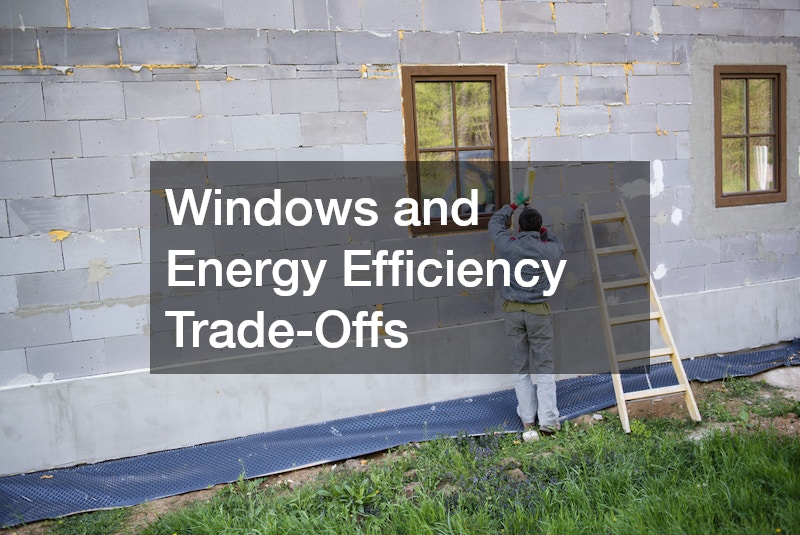
Drafty or foggy windows are a common source of frustration, and homeowners often wonder if resealing or repairing a frame is enough to solve the problem. In many cases, minor repairs like recaulking or replacing weatherstripping can genuinely extend a window’s usable life at a fraction of the cost. This works especially well for newer windows with solid frames but minor seal failures.
Once a window shows condensation between panes, warped frames, or significant air leakage, repair stops being cost effective. Consulting with window replacement companies can help you compare energy-efficient options that pay for themselves over time through lower heating and cooling bills. Many homeowners are surprised to learn that upgraded windows also reduce strain on HVAC systems, extending their lifespan as well.
- Check for condensation between glass panes, a sign of seal failure
- Feel for drafts around the frame on a windy day
- Compare energy ratings when evaluating replacement options
- Ask about financing or rebate programs for energy-efficient upgrades
Flooring: Refinish, Patch, or Start Fresh
Flooring decisions often come down to the type of material and the extent of the damage. Hardwood floors, for example, can typically be sanded and refinished multiple times before replacement becomes necessary, making patching a cost-effective choice for scratched or dulled surfaces. Visiting local flooring stores to compare refinishing kits versus full replacement materials can help homeowners get a realistic sense of pricing before committing to either option.
Other materials, like laminate or older vinyl, generally can’t be repaired invisibly once damaged, which makes full replacement the more practical long-term choice. Water damage is another key factor, since moisture trapped beneath flooring can cause mold and structural issues that patching simply won’t resolve. When in doubt, a professional assessment can prevent you from investing in a repair that only delays an inevitable full replacement.
- Solid hardwood can often be refinished two to three times over its lifetime
- Laminate and vinyl are harder to patch invisibly once damaged
- Water-damaged subflooring usually requires full removal and replacement
- Compare underlayment costs, which affect both repair and replacement pricing
Bathroom and Countertop Renovations

Bathrooms take a beating from daily moisture exposure, which makes it tempting to patch grout, caulk, or minor tile cracks rather than commit to a full renovation. For isolated issues, this approach can work well and extend the life of an otherwise functional bathroom. Regrouting a shower typically costs $150 to $600, while replacing a few cracked tiles might run $200 to $500, both fractions of a full remodel.
The key is catching problems before moisture spreads. Discolored grout, peeling caulk, or a single loose tile are usually cosmetic and safe to patch. But soft spots in the flooring, a persistent musty smell, or water stains on the ceiling below often signal hidden rot or mold that patching won’t solve.
A qualified bathroom contractor can evaluate whether the underlying plumbing and subfloor are still in good shape before recommending a larger project. They can also spot early warning signs, like failing wax rings or deteriorating waterproof membranes, that homeowners might miss. Getting that assessment before investing in repairs can save you from patching a problem that’s already spread beyond the surface.
Bathrooms present a similar calculation, but moisture and daily wear tip the scale faster than in most other rooms. A cracked tile or a caulk failure around a tub can often be patched for $150 to $400, buying a few more years of service. However, once water infiltrates subflooring or drywall, patch jobs become short-term fixes that mask a growing problem, and mold remediation can push costs well past what a full renovation would have cost.
Countertops follow a similar logic, though natural stone surfaces often justify replacement sooner because chips and cracks are harder to disguise. A laminate patch might cost under $100, but it rarely blends seamlessly and can chip again within a year or two. Homeowners upgrading their surfaces frequently turn to a quartzite countertop installer for a durable, low-maintenance option that resists staining and heat better than many alternatives.
While the upfront cost of quartzite is higher than patching a laminate counter, often running $70 to $120 per square foot installed, the extended lifespan of 30 years or more often makes it the more economical choice over a decade. Factoring in resale value, quartzite and similar natural stones also tend to appeal to future buyers, further offsetting the initial investment.
- Minor grout and caulk issues (hairline cracks, small gaps) are usually worth repairing rather than replacing, often costing $150–$400 versus thousands for a full retile
- Persistent leaks, soft subfloor sections, or musty odors signal a need for larger repairs, since mold and water damage spread beneath the surface
- Stone countertops are harder to patch invisibly compared to laminate, as veining and color variation make seams and fills noticeable
- Laminate and solid-surface counters can often be repaired with color-matched fillers, making patching a practical short-term fix
- Factor in resale value when choosing higher-end, durable materials, since quartz or granite typically recoup more cost at sale than budget laminate
- Consider how many repairs a surface has already had; three or more patch jobs usually signal it’s time to replace rather than patch again
Building a Simple Cost Comparison Framework
Once you’ve gathered repair and replacement estimates, it helps to put the numbers side by side rather than relying on gut instinct. Divide each option’s total cost by its expected years of service to get a true annual cost, which often reveals that replacement is cheaper over time even when the upfront price is higher. This simple math removes a lot of the emotional decision-making that leads homeowners to keep patching past the point of practicality.
It’s also worth factoring in indirect costs, like energy savings, reduced emergency call-outs, and increased home value, since these don’t always show up on a basic repair quote. A slightly more expensive replacement that lowers your monthly utility bills or insurance premiums can pay for itself faster than expected.
- Calculate cost per year of expected use for both options
- Include energy savings and reduced maintenance in your comparison
- Ask contractors for a written breakdown of labor versus materials
- Revisit your calculation if a project timeline changes significantly
Choosing between patching and replacing isn’t about finding a one-size-fits-all answer, since the right decision depends on the age, condition, and history of whatever you’re evaluating. By tracking repair frequency, comparing true long-term costs, and getting professional input when needed, you can avoid the trap of throwing money at temporary fixes. Take the time to gather real estimates for both options before committing, and use the cost-per-year framework to guide your final decision. Your home, and your budget, will benefit from that extra bit of research.