You crank up the thermostat, seal the windows, and still feel a chill creeping through your home every winter. The truth is, heat loss rarely comes from one obvious source. It sneaks out through dozens of small gaps, aging materials, and overlooked structural details that most homeowners never think to check. Understanding where your home is actually losing warmth is the first step toward a cozier, more energy-efficient living space.
The Roof Overhead Might Be Letting You Down
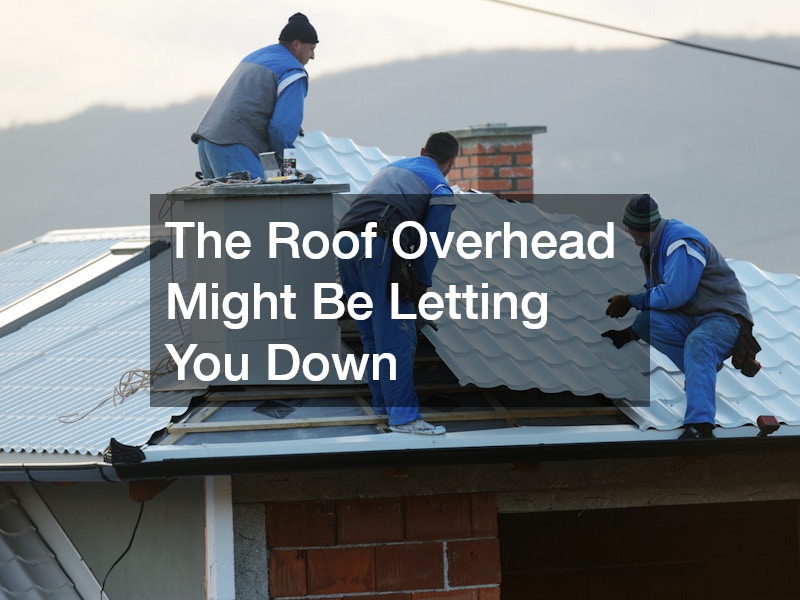
Heat rises, and if your roof is not properly insulated or maintained, a huge percentage of your indoor warmth escapes straight through the attic. The U.S. Department of Energy estimates that an uninsulated attic alone can account for up to 25% of a home’s total heat loss, making it one of the biggest energy drains in the house.
Cracked shingles, deteriorating flashing, and gaps around vents create pathways for warm air to leak out and cold air to seep in. Even small issues, like a pulled-back shingle or a poorly sealed chimney flashing, can let in enough cold air to make your heating system work overtime. Attic insulation that has settled, compressed, or gotten wet over the years also loses much of its effectiveness, even if it looks intact from below.
Many homeowners assume their heating bills are high because of an inefficient furnace, when the real culprit is sitting above their heads. A simple attic inspection, checking insulation depth, sealing gaps around vent pipes, and looking for daylight through the roof boards, can often reveal the problem before you spend money replacing equipment that was never actually broken.
If your roof is more than fifteen years old or you have noticed uneven snow melt patterns on it, it may be time to have it inspected. Patchy melting, where some sections clear quickly while others stay snow-covered, is a classic sign that heat is escaping unevenly through the attic and roofline rather than staying inside your living space. Dark streaks, sagging spots, or curling shingles are other visual clues worth noting before you call anyone out.
Reputable roofing contractors can identify weak spots, ventilation issues, and insulation gaps that are quietly draining your home’s warmth. During an inspection, they typically check attic insulation depth, look for blocked soffit vents, and assess whether flashing around chimneys or skylights has deteriorated enough to let air slip through. Many will also use a moisture meter or thermal camera to spot trouble areas that aren’t visible to the naked eye.
Catching these problems early often costs far less than the cumulative expense of wasted heating energy over several winters. A minor ventilation fix or a few hundred dollars in added insulation now can prevent thousands in heating bills and potential roof damage down the road. Waiting until a leak or visible sagging appears usually means a much larger repair bill than an early inspection would have required.
Doors and Entryways You Might Be Ignoring
Front doors get plenty of attention when it comes to weatherproofing, but garages are often the forgotten entry point for cold air. A poorly sealed or aging garage door can act like an open window, especially if the space is attached to your home and shares a wall with living areas. Even small warps in the door panel or worn weather stripping can let in drafts that spread into adjacent rooms.
Upgrading to a modern, insulated garage door can make a noticeable difference in how much heat your home retains. Experienced garage door installers can assess whether your current setup is contributing to energy loss and recommend models designed specifically for better thermal performance. This is a relatively simple fix that many homeowners overlook until they see their winter energy bills.
What’s Happening Below Ground Can Affect What You Feel Indoors
It might seem unrelated, but issues with underground systems like septic and cesspool setups can indirectly affect your home’s comfort and structural integrity. When these systems back up or become overly saturated, the excess moisture can seep toward your foundation, increasing dampness and making your home feel colder and harder to heat. Moist foundations conduct and lose heat more readily than dry ones.
Routine cesspool pumping helps prevent overflow and groundwater saturation issues that could otherwise compromise your home’s lower levels. Keeping this system maintained is not just about odor control or plumbing health, it is also a quiet factor in keeping your basement or crawl space dry and better insulated. A dry foundation holds heat far more efficiently than a damp one.
Old Additions or Structures That Are Working Against You
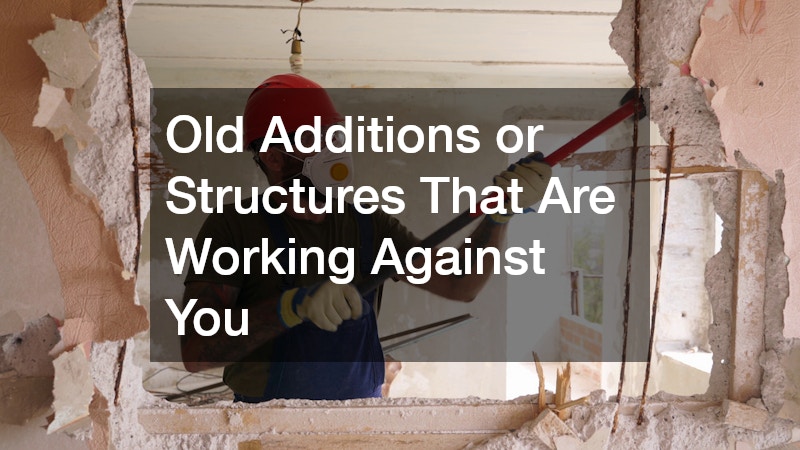
Sometimes the biggest heat loss culprit is not a single crack or gap, but an entire outdated structure attached to your home. Old sunrooms, poorly built additions, or decaying outbuildings connected to your main living space can create thermal bridges that pull warmth away from the rest of the house. These structures were often built with minimal insulation standards compared to today’s codes.
If a section of your home is beyond reasonable repair, removing it might actually save you more money long term than trying to retrofit it. Professional demolition contractors can safely take down these problem areas, allowing you to rebuild with better insulation and modern materials. This kind of investment pays off through improved comfort and lower heating costs for years afterward.
Your Landscaping Plays a Bigger Role Than You Realize

The trees and shrubs around your property do more than provide shade in summer, they also act as windbreaks that can reduce how much cold air hits your home’s exterior walls. However, overgrown branches too close to your roofline or siding can trap moisture against your home, leading to rot and reduced insulation effectiveness. Dead or diseased trees near your house pose an even bigger risk, since they can fall and damage your roof or walls during winter storms.
Working with tree removal services to clear hazardous or poorly placed trees can protect your home’s exterior while still allowing you to strategically plant windbreaks in better locations. A thoughtful landscaping plan balances protection from wind with enough clearance to avoid moisture and structural damage. This is an easy detail to overlook, but it genuinely affects how much cold air reaches your home’s surfaces.
Ground-Level Surfaces Around Your Home Matter Too

Cracked or sloped driveways and walkways near your home’s foundation can direct water toward your walls instead of away from them, increasing dampness and heat loss over time. When pavement settles unevenly, it can also create gaps where cold air pools against your home’s lower exterior. This is especially common in older homes where the surrounding hardscaping was never updated alongside the structure itself.
Hiring paving contractors to repair or regrade driveways and walkways ensures water drains properly away from your foundation. Proper drainage reduces the moisture buildup that makes basements and lower floors feel colder than the rest of the house. It is a straightforward improvement that protects both your home’s structure and its energy efficiency.
Fencing Can Influence Wind Exposure Around Your House
Wind chill has a real impact on how quickly your home loses surface heat, particularly on exposed sides of the property. A well-placed fence can act as a buffer, slowing down wind before it reaches your exterior walls and reducing the rate of heat loss through siding and windows. This is especially useful for homes in open, rural, or particularly windy areas.
Consulting a fence contractor about materials and placement can help you design a barrier that offers both privacy and functional wind protection. Solid or semi-solid fencing tends to block wind more effectively than open-style designs, though it is worth discussing airflow needs for your specific yard. Small design choices like this can meaningfully reduce how much heat escapes through your home’s exposed walls.
Flooring Choices That Quietly Affect Indoor Warmth
Not all flooring materials retain heat equally, and this is something many homeowners do not consider until they are redoing a room. Tile, while beautiful and durable, tends to feel cold underfoot and does not hold warmth the way carpet or certain wood flooring does, especially in rooms without proper subfloor insulation. This becomes particularly noticeable in bathrooms and kitchens during colder months.
The science behind this comes down to thermal conductivity. Ceramic and porcelain tile have an R-value close to zero, meaning they offer almost no resistance to heat transfer and will always feel cooler than the surrounding air. Carpet, by contrast, typically carries an R-value between 1.0 and 2.5 depending on pile thickness and padding, which explains why a carpeted bedroom feels noticeably warmer than a tiled hallway even when both are heated to the same temperature.
Wood and laminate fall somewhere in between, generally offering more warmth than tile but less insulating power than carpet. Engineered hardwood installed over a foam underlayment performs better than solid wood laid directly on concrete, since the underlayment adds a modest thermal break. For homeowners unwilling to give up tile in kitchens or bathrooms, radiant floor heating or thicker area rugs can offset much of the heat loss without requiring a full flooring replacement.
Flooring materials play a bigger role in heat loss than most homeowners realize. Tile, stone, and hardwood all conduct heat away from bare feet far faster than carpet or cork, which is why a tiled bathroom floor can feel icy even when the room thermostat reads a comfortable 70°F. If you are planning a renovation, visiting a tile store to explore radiant heating compatible tile options can help you get the aesthetic you want without sacrificing comfort.
Many tile products today, including porcelain and certain natural stones, are engineered with thermal conductivity in mind so they pair well with underfloor heating systems. These systems, whether electric mats or hydronic tubing, can offset the natural coolness of the material and bring floor surface temperatures up to a cozy 80–85°F. A knowledgeable sales associate at a tile store can also point you toward thinner-profile tiles that heat up faster and hold warmth more evenly across the room.
Beyond the tile itself, underlayment choice matters just as much. A layer of foam or cement board insulation beneath the tile prevents heat from escaping into the subfloor, improving system efficiency by a noticeable margin. Skipping this step often means paying more to run the heating system longer just to reach the same comfort level.
Thinking about insulation at the flooring stage saves you from dealing with cold floors long after the renovation is finished. It also spares you the cost and disruption of retrofitting heating elements or underlayment into a floor that’s already installed.
Interior Layout and Storage Can Influence Heat Flow
It might sound surprising, but the way your kitchen and living spaces are organized can affect how evenly heat circulates through your home. Bulky, poorly placed cabinetry can block heating vents or radiators, trapping warm air in one area while leaving other parts of the room cold. This uneven heat distribution often gets blamed on the furnace when the real issue is furniture and storage placement.
When planning a kitchen or living room update, working with a cabinet company that understands vent placement and airflow can prevent this problem from the start. Thoughtful cabinet design leaves room for heat to circulate naturally rather than getting trapped behind large, enclosed units. This small planning detail can make a noticeable difference in how evenly warm your home feels from room to room.
Your Heating System Still Deserves Regular Attention
Even with every structural and exterior issue addressed, an inefficient or poorly maintained heating system will still struggle to keep your home warm. Dirty filters, aging ductwork, and outdated thermostats all contribute to uneven heating and wasted energy. Many homeowners do not realize how much a simple tune-up can improve overall performance.
Scheduling annual maintenance with a local heating and cooling company ensures your system is running efficiently and catching small problems before they become costly breakdowns. Technicians can also recommend upgrades, like smart thermostats or improved duct sealing, that work alongside your home’s structural improvements. Combining a well-maintained heating system with a well-sealed, well-insulated home gives you the best chance at consistent warmth all season long.
Heat loss is rarely about one single problem, it is usually a combination of small issues working together to quietly drain warmth from your home. By looking beyond the thermostat and considering your roof, doors, foundation, landscaping, and even your flooring and cabinetry, you can address the root causes rather than just the symptoms. Start with an honest walkthrough of your property, noting drafts, dampness, and uneven temperatures room by room. Taking action on even a few of these areas can lead to a noticeably warmer, more comfortable home this winter.