
Every homeowner wants a house that can stand up to decades of wear, storms, and shifting seasons without falling apart or draining their savings on constant repairs. Building resilience isn’t about one big renovation; it’s about understanding how every system in your home works together, from the ground up to the roofline.
This guide walks through the practical decisions that help a house age gracefully, resist damage, and keep your family comfortable no matter what the climate throws at it. Whether you are building new or fortifying an existing property, these steps will help you make smarter, longer-lasting choices.
Start With a Strong Foundation
A home is only as resilient as what it sits on, which is why the foundation deserves more attention than most homeowners give it. Quality concrete construction resists cracking, shifting, and water infiltration far better than older building methods, especially in regions with freeze-thaw cycles or expansive clay soil. A poured foundation with a compressive strength rating of 3,500 to 4,000 PSI is generally considered the standard for residential durability in harsher climates.
Choosing the right mix, reinforcement, and curing process at the outset can prevent decades of structural headaches. Steel rebar or wire mesh reinforcement adds tensile strength that plain concrete lacks, helping the slab flex slightly under pressure instead of fracturing outright. Proper curing, ideally maintaining moisture and consistent temperature for at least seven days, allows the concrete to reach its full strength rather than a weaker, brittle version of itself.
Soil testing beforehand is equally important, since expansive soils can shift enough to crack even a well-built foundation without proper grading, drainage, or footing depth adjustments. Investing a little more upfront in geotechnical evaluation and quality materials almost always costs less than repairing a compromised foundation years later.
Beyond the initial pour, foundations need regular inspection for hairline cracks, pooling water, or uneven settling, ideally checked twice a year and after major storms. Watch for cracks wider than 1/8 inch, doors that stick, or floors that slope noticeably—these are early warning signs of deeper trouble.
Catching small issues early, such as sealing a hairline crack or regrading soil for better drainage, is far cheaper than repairing a compromised structure later, which can end up costing thousands more in structural repairs.
- Inspect foundation walls twice a year for new cracks, moisture stains, or bowing, and note whether cracks widen over time
- Ensure proper grading so water flows away from the house, sloping soil at least 6 inches over 10 feet from the foundation
- Ask contractors about reinforced concrete construction for high-risk climate zones prone to flooding, freeze-thaw cycles, or seismic activity
- Consider poured concrete over concrete block for added strength if you’re building new or replacing an aging foundation
- Keep gutters clear so runoff doesn’t pool near the foundation edge, and extend downspouts at least 4-6 feet away from the house
- Watch for interior warning signs like sticking doors or uneven floors, which can signal foundation settling
Protecting Your Property Boundaries

The perimeter of your property plays a bigger role in resilience than most people realize. A well-planned wood fence installation not only defines your boundary but also acts as a windbreak, reduces erosion, and adds a layer of security around the home. Choosing pressure-treated or naturally rot-resistant wood extends the life of the fence and reduces maintenance demands over time.
Trees near the property line can be just as important to manage as the fence itself. Overgrown or diseased trees pose a serious risk during storms, and professional tree removal is often the safest way to eliminate hazards before they cause damage to your roof, fence, or power lines. Regular arborist checkups help identify weak limbs or root issues long before a storm turns them into an emergency.
- Choose fence materials rated for your local humidity and rainfall levels
- Schedule tree removal for any tree leaning toward the house or power lines
- Trim branches at least six feet away from rooflines annually
- Inspect fence posts for rot or insect damage each spring
Keeping Your Garage Safe and Functional
The garage door is one of the most frequently used moving parts of a home, and it takes a beating from temperature swings and daily use. Over time, springs weaken and lose tension, which can cause the door to become difficult to lift or, worse, slam shut unexpectedly. Knowing when to replace garage door spring components is essential for both safety and convenience, especially in homes where the garage is a primary entry point.
A well-maintained garage door also contributes to a home’s overall insulation and weather resistance. Gaps around a sagging or misaligned door let in drafts, pests, and moisture, undermining the comfort of the entire house.
- Listen for grinding or popping noises, which often signal spring failure
- Test the door balance monthly by disconnecting the opener and lifting manually
- Replace garage door spring sets in pairs to avoid uneven wear
- Lubricate hinges and rollers twice a year to reduce strain on the springs
Maintaining Comfortable Indoor Climate
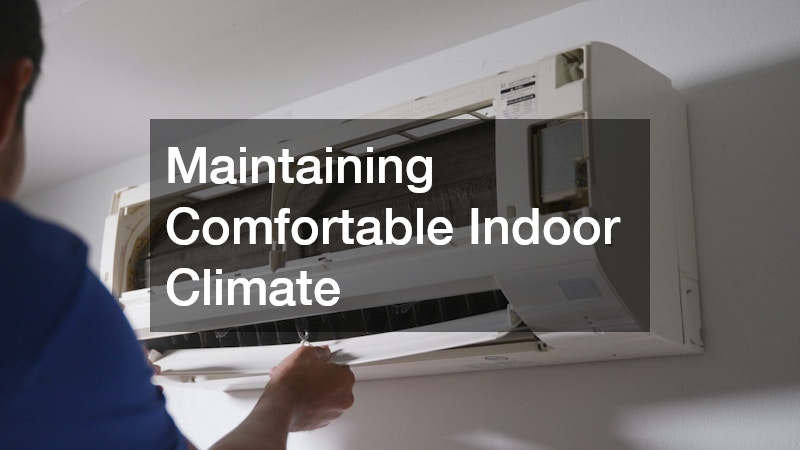
A resilient home isn’t just about surviving storms; it’s about staying comfortable through extreme heat and bitter cold alike. Routine HVAC service keeps heating and cooling systems running efficiently, which reduces energy waste and prevents small issues from becoming costly breakdowns. Seasonal checkups also extend the lifespan of expensive equipment, saving money over the long run.
Consistent airflow and temperature control also protect the structure itself, since extreme humidity swings can warp wood, crack drywall, and encourage mold growth. Scheduling professional maintenance before peak summer and winter months ensures your system is ready when demand is highest.
- Change air filters every one to three months for better efficiency
- Schedule HVAC service in early spring and fall for seasonal readiness
- Keep outdoor units clear of leaves, debris, and overgrown plants
- Monitor thermostat performance for unusual temperature swings
Ensuring Safe and Reliable Power
Electrical systems in older homes were often not designed to handle today’s appliances, smart devices, and backup power needs. Hiring a licensed commercial electrician company for a full panel inspection can reveal outdated wiring, insufficient capacity, or code violations that put your home at risk. This is especially important if you’re planning renovations or adding high-demand systems like electric vehicle chargers or backup generators.
A resilient electrical system should also include surge protection and, ideally, a backup power source for storms or outages. Working with experienced professionals ensures the work meets local codes and can handle future demands.
- Have panels inspected every ten years or after major renovations
- Install whole-home surge protectors to guard sensitive electronics
- Ask a commercial electrician company about generator transfer switch options
- Label breaker panels clearly for faster response during emergencies
Securing Your Water Supply

Water reliability is often overlooked until a crisis hits, whether that’s a municipal outage, a natural disaster, or a failing septic system. Homes on private waste systems should schedule regular inspections with a qualified septic company to catch clogs, leaks, or tank damage before they become expensive emergencies. Neglected systems can contaminate groundwater and create costly landscaping repairs.
For added peace of mind, many homeowners are now investing in portable water purification systems as part of their emergency preparedness plan. These systems provide a reliable backup source of clean drinking water during outages, floods, or contamination events, which is especially valuable in rural areas or regions prone to severe weather.
- Have a septic company pump and inspect tanks every three to five years
- Keep septic drain fields free of heavy landscaping or vehicle traffic
- Store portable water purification systems with extra filters for emergencies
- Test well water annually if you’re not on a municipal supply
Preventing Hidden Fire Hazards
Some of the biggest risks to a home’s longevity aren’t structural at all; they’re hidden in everyday appliances. Lint buildup in dryer vents is a leading cause of house fires, with the U.S. Fire Administration attributing thousands of residential fires each year to clogged dryer exhaust systems. Professional dryer vent cleaning services remove the compacted lint, debris, and even nesting materials that regular filter cleaning simply can’t reach, especially in long or bent venting runs.
Homeowners should watch for warning signs like clothes taking multiple cycles to dry, a burning smell during operation, or a dryer that feels unusually hot to the touch. These symptoms often mean airflow is restricted and heat is building up where it shouldn’t. Most experts recommend having vents professionally cleaned at least once a year, or more often for households with pets, large families, or vents longer than 25 feet.
This simple, affordable service, typically costing far less than the potential fire damage or appliance replacement it prevents, significantly reduces fire risk while also improving dryer efficiency. Homeowners often notice shorter drying times and lower energy bills once airflow is restored, since a clear vent can cut drying time by 20 percent or more. It’s a small maintenance investment that pays off in both safety and long-term savings.
Beyond safety, a clean vent system reduces energy costs and extends the life of your dryer by preventing overheating. A clogged vent can force your dryer to run 30 to 50 percent longer per cycle, driving up utility bills and straining the heating element and motor. Warning signs include clothes that stay damp after a full cycle, a dryer that feels unusually hot to the touch, or a burning smell during use.
Homeowners who do laundry frequently or have long vent runs should be especially diligent about scheduling this maintenance. As a general rule, vent lines longer than 25 feet, or those with multiple bends, trap lint more easily and need cleaning every six months rather than annually. Professional duct cleaning typically costs $100 to $200 but is far cheaper than replacing a dryer or repairing fire damage.
- Schedule professional dryer vent cleaning services at least once a year, or every six months for households running frequent loads
- Watch for longer drying times as a warning sign of blockage, especially if clothes stay damp after a full cycle
- Feel the outside of the dryer during use—excessive heat or a hot burning smell signals restricted airflow
- Clean the lint trap before every load, not just occasionally, and wash it monthly with soap and water to clear fabric softener residue
- Check the exterior vent flap to ensure it opens freely during operation and isn’t clogged with debris, nests, or crushed ductwork
- Use rigid or semi-rigid metal ducting instead of plastic accordion-style hose, which traps lint and poses a greater fire risk
Decluttering for Better Home Resilience

A resilient home isn’t only about structure and systems; it’s also about how efficiently you use your space. Overcrowded garages, attics, and basements make it harder to spot leaks, pests, or structural issues before they escalate. Renting a storage facility for seasonal items, documents, or furniture can free up space for proper inspections and reduce fire hazards caused by clutter.
Off-site storage is also a smart move during renovations or emergency repairs, keeping belongings safe from dust, debris, or water damage. Many facilities offer climate-controlled units, which protect sensitive items like electronics, photographs, or wood furniture from humidity swings.
- Choose a storage facility with climate control for sensitive belongings
- Keep pathways clear in basements and attics for easy inspection access
- Label boxes clearly to avoid unnecessary rummaging and clutter buildup
- Rotate seasonal storage items to check for pests or moisture damage
Planning for Long-Term Weather Resilience
True resilience comes from thinking ahead, not just reacting to problems as they appear. Creating a maintenance calendar that covers structural checks, appliance servicing, and seasonal preparation helps homeowners stay ahead of costly surprises. A simple schedule might include roof and gutter inspections each spring and fall, HVAC servicing before summer and winter, and a check of caulking and weatherstripping every one to two years to prevent drafts and moisture intrusion.
This proactive approach is especially valuable in regions facing more frequent storms, heatwaves, or heavy snowfall. For example, homes in hurricane-prone areas benefit from testing sump pumps and clearing storm drains before peak season, while those in colder climates should insulate pipes and inspect attic ventilation ahead of winter. Even small tasks, like resealing a deck every two to three years or replacing HVAC filters every 60-90 days, add up to significant savings by preventing the kind of gradual wear that leads to expensive emergency repairs.
Working with a mix of trusted professionals — structural engineers, licensed contractors, and local roofers or foundation specialists — helps you catch risks before they become expensive repairs. A structural engineer, for instance, can assess whether your home’s framing meets current wind-load standards, while a foundation specialist can flag early signs of soil shifting common in drought-prone regions.
Staying informed about your home’s unique risks also means understanding your local climate data: flood zone maps, wildfire risk ratings, or annual freeze-thaw cycles all shape which upgrades matter most. Scheduling a professional inspection every 1-2 years, rather than waiting for visible damage, keeps small issues from compounding into major structural failures.
Small, consistent efforts — resealing gaps, upgrading insulation, or replacing aging shingles every 15-20 years — add up to a home that can weather nearly anything. Over a decade, these incremental investments often cost far less than a single catastrophic repair after a major storm or seasonal extreme.
- Create a year-round maintenance calendar for major home systems — schedule HVAC servicing each spring and fall, gutter cleaning after leaf drop, and roof inspections before storm season
- Keep records of inspections, repairs, and warranties in one place, whether a shared cloud folder or a dedicated home-maintenance app, so claims and resale disclosures are easy to document
- Reassess risks annually based on changing weather patterns, checking updated FEMA flood maps, local wildfire risk ratings, and insurance company advisories for your region
- Build relationships with reliable local contractors before emergencies arise — roofers, electricians, plumbers, and tree removal services — so you’re not searching for help during a crisis
- Set aside an emergency fund specifically for weather-related repairs, separate from general home savings, to cover deductibles and urgent fixes
- Review insurance coverage yearly to confirm it reflects current rebuilding costs and any added resilience upgrades
A truly resilient home is built through consistent attention to the systems and structures that keep it standing strong, from the foundation to the roofline. By addressing each of these areas proactively, homeowners can avoid costly emergencies and extend the life of their property for generations. Start with a simple walkthrough of your home this week, noting which systems need immediate attention and which can be scheduled for routine care. Taking these small steps now builds the lasting protection your home and family deserve.