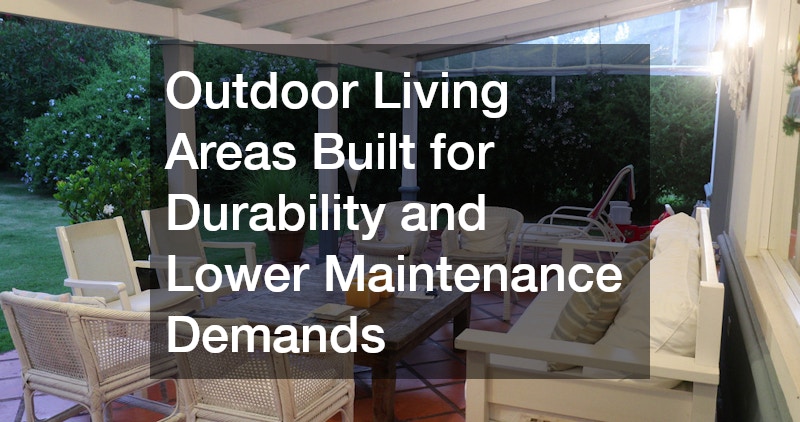
Building an outdoor living area that actually lasts through seasons of sun, rain, and heavy use takes more planning than picking out furniture and a grill. Homeowners often invest thousands into a patio or deck only to face cracking, drainage problems, or costly repairs within a few years. The good news is that with the right groundwork, materials, and systems in place, an outdoor space can deliver decades of enjoyment with minimal upkeep. This guide walks through the practical decisions that separate a high-maintenance headache from a durable, low-fuss retreat.
Clearing and Preparing Your Site
Every successful outdoor project starts below the surface, long before any pavers or posts go in. Uneven ground, tree roots, and dense brush can undermine even the best-built patio or outdoor kitchen if they are not addressed first. Many homeowners underestimate how much grading and vegetation removal affects long-term stability, which is why professional land clearing services are often worth the investment before construction begins. Proper site prep also reduces the chances of pest infestations and moisture pockets that lead to future structural issues.
Taking time to assess the soil composition and slope of your yard can save significant money down the road. A site that drains poorly or has unstable fill dirt will eventually cause settling, cracked concrete, or shifting decking boards.
- Remove stumps and root systems that can push up through hardscaping over time
- Grade the area so water flows away from the house and seating areas
- Test soil compaction before pouring any concrete footings
- Identify underground utility lines before excavation begins
Building a Stable Foundation Below the Surface
What happens underground matters just as much as what homeowners see above it. Outdoor kitchens, additional bathrooms, or guest suites attached to a patio often require updated wastewater management, and older properties may need a modern atu drain field to handle the added load safely. An advanced treatment unit system processes wastewater more efficiently than a standard septic setup, which is especially important when outdoor structures increase overall household water use. Ignoring this step can lead to soggy yards, unpleasant odors, and expensive repairs that undo all the aesthetic work done above ground.
A properly designed drainage and wastewater system also protects surrounding landscaping and hardscape materials from premature deterioration. Water that pools near foundations or seeps into paver joints accelerates cracking and shifting, so getting this piece right early prevents a cascade of future problems.
Choosing Roofing Structures That Hold Up Outdoors
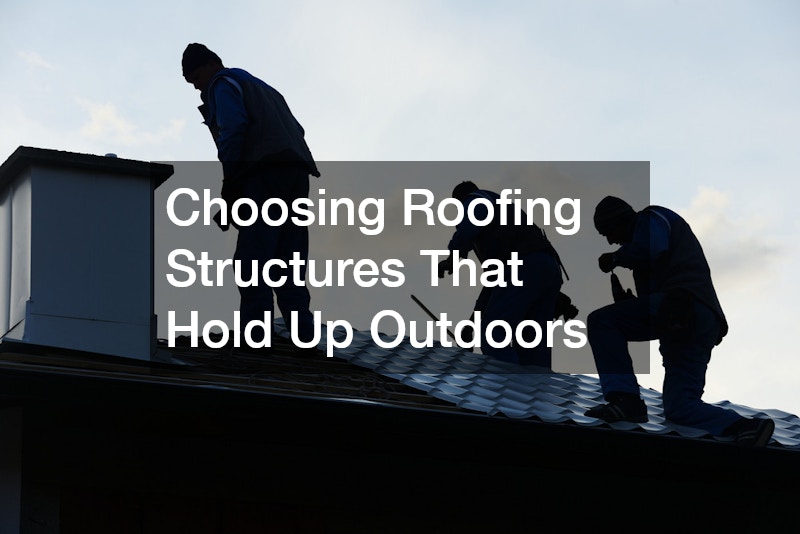
Covered patios, pergolas, and outdoor living rooms need roofing systems built to handle direct sun exposure, wind uplift, and heavy rain in ways that differ from a standard home roof. Bringing in experienced roofing contractors during the design phase helps homeowners avoid common mistakes like insufficient pitch or inadequate flashing around attachment points. A poorly sloped roof can trap water, leading to rot, mold, and sagging within just a few seasons. Getting professional input on load calculations and ventilation also ensures the structure can handle snow accumulation in colder climates.
Attachment points where a patio roof meets the main house deserve extra scrutiny, since this is where leaks most commonly develop. A well-integrated flashing and drainage system at this junction prevents water intrusion into both the new structure and the existing home.
Selecting Weatherproof Roofing Materials
Material choice makes a significant difference in how much upkeep an outdoor roof will demand over its lifespan. Metal panels, for instance, resist warping and fading far better than many composite options, while also shedding snow and rain quickly. Homeowners comparing options should ask local roofers about wind ratings, expected lifespan, and warranty terms specific to open-air structures rather than assuming standard shingle warranties apply. Some materials that perform beautifully on a main roof may not hold up the same way over an uncovered pergola or partially enclosed porch.
- Standing seam metal panels typically last 40 to 70 years with minimal maintenance
- Polycarbonate panels allow natural light while blocking UV rays
- Cedar shake offers a rustic look but requires more frequent sealing
- Composite shingles should be rated specifically for low-slope applications
Planning Electrical Systems for Long-Term Use
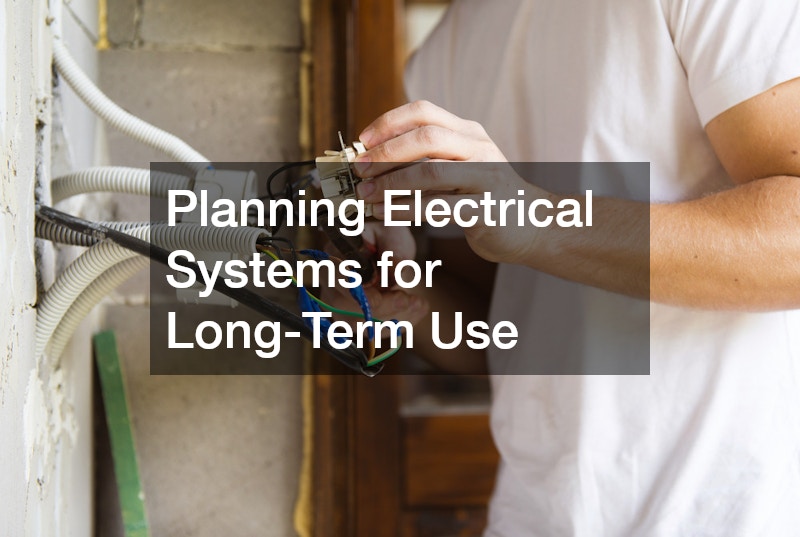
Outdoor living areas increasingly include lighting, ceiling fans, speakers, and even television setups, all of which require careful electrical planning. Hiring a licensed electrician to install weatherproof outlets and properly rated wiring prevents shock hazards and reduces the risk of electrical fires caused by moisture intrusion. An experienced electrician can also assess your home’s existing panel capacity, since many older systems weren’t designed to handle the added draw of outdoor kitchens, hot tubs, or entertainment centers.
Underground conduit and GFCI protection are not optional extras but essential safety measures for any outdoor circuit. Conduit should be rated for direct burial and set at a depth that meets local code, typically between 18 and 24 inches depending on the circuit type. In-use covers on outlets keep connections protected from rain and sprinklers even while cords are plugged in, which standard weatherproof covers cannot do.
Planning capacity ahead of time also allows homeowners to add features like heaters or pool equipment later without a full rewiring project. This might mean running a larger gauge wire than currently needed or installing a subpanel dedicated to outdoor use with a few open breaker slots reserved for future circuits. Mapping out where fixtures, speakers, and appliances might eventually go, even before every item is purchased, makes it far easier to budget for capacity now rather than tearing up patios or landscaping later.
Lighting design deserves particular attention since it affects both usability and energy costs over time. Low-voltage LED systems draw far less power than traditional fixtures, often consuming 80% less energy while lasting 25,000 hours or more before needing replacement. They also hold up better against humidity and temperature swings common in outdoor settings, resisting the corrosion and bulb failure that plague standard incandescent options.
Fixture placement matters just as much as fixture type. Path lights, step lights, and uplighting on trees or architectural features each require different beam angles and mounting heights to avoid glare while still providing adequate visibility. Grouping fixtures into zones controlled by separate switches or a smart hub lets homeowners adjust brightness for entertaining versus everyday use without running excess power to areas that don’t need it.
Wiring and connection quality also determine how well a system performs years down the road. Direct-burial cable rated for wet locations, along with weatherproof wire connectors filled with dielectric grease, prevents the moisture intrusion that causes flickering or dead circuits. Transformers should be sized with room to spare—typically 20% above the calculated wattage load—so the system can accommodate added fixtures later without overloading the unit.
Adding a Pool Without Adding Constant Upkeep
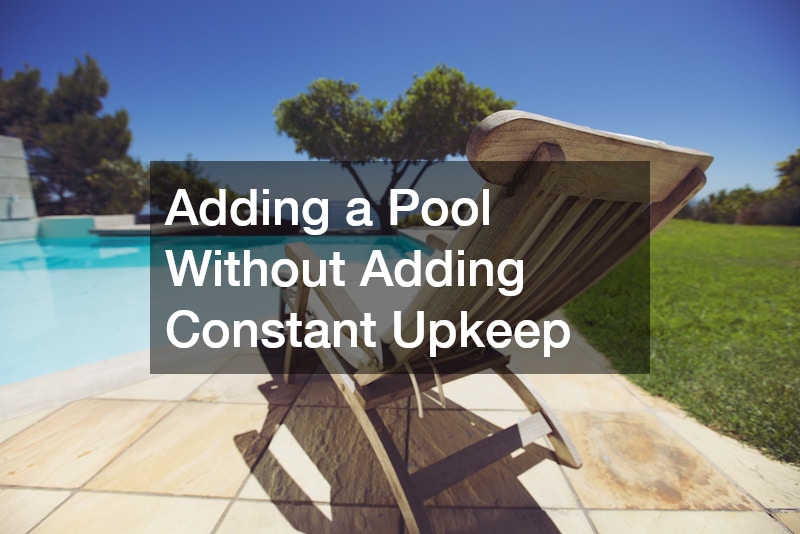
A pool can transform an outdoor living area, but the wrong design choices lead to endless maintenance headaches. Working with an experienced custom pool installer helps homeowners select finishes, filtration systems, and decking materials that resist algae growth, staining, and cracking under constant sun and chemical exposure. Saltwater systems, for example, tend to require less chemical maintenance than traditional chlorine setups while being gentler on skin and swimsuits. Choosing a variable-speed pump also reduces energy costs significantly compared to older single-speed models.
- Fiberglass shells generally require less resurfacing than concrete gunite pools
- Automated covers reduce debris buildup and evaporation loss
- Saltwater chlorination systems lower long-term chemical costs
- Proper decking drainage prevents water pooling around the pool edge
Adding Climate Control for Comfort in Every Season
Many homeowners want to use their outdoor space year-round, which means thinking beyond a simple ceiling fan. Ductless mini-split systems can cool or heat a covered patio without the ductwork of a whole-home unit, while radiant heaters mounted overhead provide warmth on chilly evenings without taking up floor space. Misting systems, meanwhile, can drop ambient temperatures by 10 to 20 degrees during peak summer heat, making them a popular choice for pergolas and open-air kitchens.
For larger properties with expansive covered patios or outdoor entertainment areas, some homeowners even look into industrial HVAC systems typically reserved for commercial spaces to manage larger volumes of air efficiently. These systems make sense when square footage climbs into the range of large event pavilions or multi-zone outdoor living complexes, where standard residential units simply can’t keep up. In these cases, it’s worth consulting a contractor about load calculations, since oversized or undersized equipment can drive up energy bills or leave certain areas uncomfortable.
Whatever the scale, it helps to know ahead of time who to call if equipment fails during peak season. Establishing a relationship with a local HVAC technician before a heat wave or cold snap hits can mean the difference between a same-day fix and days without climate control. It’s also worth asking about maintenance plans, since regular filter changes, coil cleanings, and refrigerant checks can extend the life of any system and reduce the odds of an emergency repair.
Outdoor living spaces increasingly rely on the same mechanical systems that keep indoor rooms comfortable, from ductless mini-split units and radiant patio heaters to misting systems and high-velocity ceiling fans. These components work hardest during heat waves above 95°F or cold snaps below freezing, which is exactly when mechanical stress and failure rates climb. Having a reliable source for emergency hvac services on hand prevents small mechanical issues, like a tripped compressor or a frozen coil, from turning into ruined gatherings or costly equipment damage.
Scheduling professional maintenance checks before summer and winter seasons also reduces the odds of unexpected breakdowns. A typical pre-season visit should include refrigerant level checks, electrical connection inspections, and cleaning of condenser coils or heater vents, since dust and debris accumulate quickly in open-air settings.
Homeowners should also budget for minor part replacements, such as igniters, thermostats, or fan motors, roughly every two to three years depending on usage and exposure to the elements. Pairing routine upkeep with a trusted emergency repair contact ensures that outdoor climate systems stay dependable across every season, protecting both comfort and the investment made in the space itself.
Expanding Your Home’s Footprint Thoughtfully
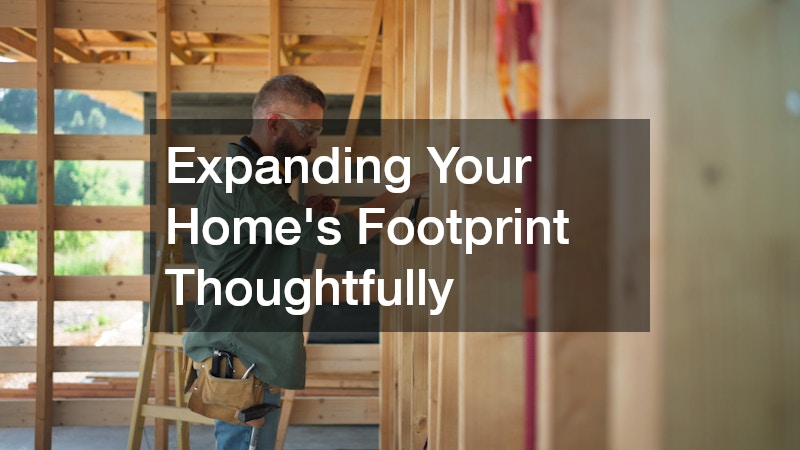
Sometimes the best way to create a durable outdoor living area is to blend it with the interior of the home rather than treating it as a separate structure. Sunrooms, enclosed porches, and other additions can bridge indoor comfort with outdoor views while reducing exposure to the elements that cause wear on furniture and finishes. These projects typically require permits and careful integration with existing rooflines, plumbing, and electrical systems, so early planning with a contractor familiar with local codes pays off. A well-designed addition also tends to increase home value more reliably than a standalone patio structure.
When planning any expansion, it helps to consider how the new space will be used across different seasons and family activities. A flexible design that accommodates dining, lounging, and occasional overflow guests offers more long-term value than a single-purpose room.
Reducing Landscaping Maintenance Around Your Outdoor Space
The plants and ground cover surrounding an outdoor living area play a bigger role in maintenance demands than most homeowners expect. Applying a 2- to 3-inch layer of quality mulch around garden beds and tree bases helps retain soil moisture, suppress weeds, and regulate temperature, which cuts down on watering and weeding chores significantly. Organic options like shredded bark or wood chips break down over time and enrich the soil, while inorganic choices like river rock or rubber mulch offer a longer-lasting, lower-upkeep alternative for high-traffic zones.
Choosing native, drought-tolerant plants further reduces the time and money spent maintaining a lush appearance year after year. Species adapted to your region’s rainfall and soil conditions typically need less fertilizer, fewer pesticides, and minimal supplemental watering once established. Grouping plants by their water needs, a practice known as hydrozoning, also makes irrigation far more efficient and can be paired with a simple drip system for hands-off care.
Simple choices like these keep the visual appeal high while keeping the workload low. Adding defined borders between planting beds and lawn areas can further cut down on trimming time and prevent mulch from washing into walkways.
- Organic mulch (bark, wood chips, straw) breaks down over time, enriching soil naturally and improving moisture retention
- A two to three inch layer is typically sufficient for most garden beds — thinner layers dry out fast, while thicker ones can smother roots
- Rubber or rock mulch offers longer-lasting coverage with less replacement, making it ideal for high-traffic or decorative areas
- Rock mulch works well around drought-tolerant plants, while rubber mulch suits play areas or spaces needing cushioning
- Grouping plants by water needs simplifies irrigation and reduces waste
- Pairing drought-tolerant plants together and keeping thirstier species in separate zones prevents overwatering or under-watering
- This grouping strategy also makes seasonal maintenance, like adjusting sprinklers or drip lines, faster and more efficient
Creating an outdoor living area built to last comes down to smart decisions made early, from site preparation and drainage to roofing materials and climate control. Homeowners who invest time researching these details upfront spend far less on repairs and replacements later. The next step is to walk your own property with these considerations in mind and start conversations with qualified professionals in each area discussed above. A durable, low-maintenance outdoor space is well within reach for anyone willing to plan carefully before breaking ground.