Every homeowner eventually faces the big question: which major system needs attention first, and how do you avoid throwing money at problems that keep coming back? Planning upgrades to your roof, HVAC, plumbing, and other core systems isn’t just about fixing what’s broken today; it’s about protecting your budget for the next decade. A little strategy now can mean fewer emergency repairs, lower utility bills, and a home that holds its value.
This guide walks through the systems worth prioritizing and how to plan each upgrade with long-term savings in mind.
Start With a Whole-House Assessment
Before spending a dollar on upgrades, get a clear picture of where your home actually stands. Many homeowners jump straight to replacing a system because it’s old, without confirming whether it’s actually failing or simply due for maintenance. A furnace that’s 15 years old might still have another five good years left in it, while a “newer” water heater installed by a previous owner could be quietly rusting from the inside out.
Bringing in professional home inspectors gives you an unbiased, documented starting point that covers structural issues, electrical concerns, plumbing condition, and more. A thorough inspection typically checks your roof’s remaining lifespan, HVAC efficiency and age, electrical panel capacity, insulation levels, and any signs of water intrusion or foundation movement. Ask for a written report with photos rather than just a verbal walkthrough, since this documentation becomes valuable when comparing contractor quotes later.
This report becomes your roadmap, helping you prioritize which systems need immediate attention versus which can wait another year or two. For example, a cracked heat exchanger or knob-and-tube wiring should jump to the top of your list, while cosmetic wear on a functioning system can be scheduled for a future budget cycle. Having this baseline also helps you avoid the common trap of upgrading the most visible system while ignoring a hidden issue, like poor attic ventilation, that will undermine your investment down the road.
A thorough inspection also protects you financially by catching small issues before they become expensive emergencies. A $200 furnace tune-up, for instance, can flag a cracked heat exchanger long before it turns into a $6,000 replacement or a carbon monoxide hazard. The same logic applies to a hairline roof leak that, left unaddressed, can rot framing and drywall over a single rainy season.
Think of it as a diagnostic checkup for your entire property, similar to a physical exam that catches problems early. A qualified inspector should evaluate the age and condition of your HVAC system, water heater, electrical panel, plumbing lines, insulation levels, and roofing, noting how many years of service life each component likely has left.
This baseline assessment also gives you real numbers to plan around—like an electrical panel rated for only 100 amps when modern appliances and EV chargers demand 200, or ductwork leaking 20-30% of conditioned air before it ever reaches your living space. Knowing these specifics upfront lets you prioritize upgrades by urgency and cost impact rather than guessing.
- Ask for a written report with photos, priority rankings (urgent, near-term, monitor), and estimated remaining lifespan for major components
- Request separate evaluations for roofing, HVAC, plumbing, and foundation if needed, since general inspectors may not catch specialty issues like duct leakage or slab cracking
- Have the inspector note approximate replacement costs alongside each finding so you can gauge budget impact early
- Use the findings to build a realistic multi-year upgrade timeline, grouping items by urgency (0-1 year, 2-3 years, 4-5 years)
- Factor in seasonal timing when scheduling upgrades — for example, HVAC replacements are often cheaper in spring or fall shoulder seasons
- Compare quotes from at least two inspection providers before hiring, checking that each is licensed, insured, and experienced with homes of similar age
- Keep the full report on file to share with contractors later, since it can speed up quoting and prevent redundant diagnostic fees
Evaluating Your Roof’s Remaining Lifespan
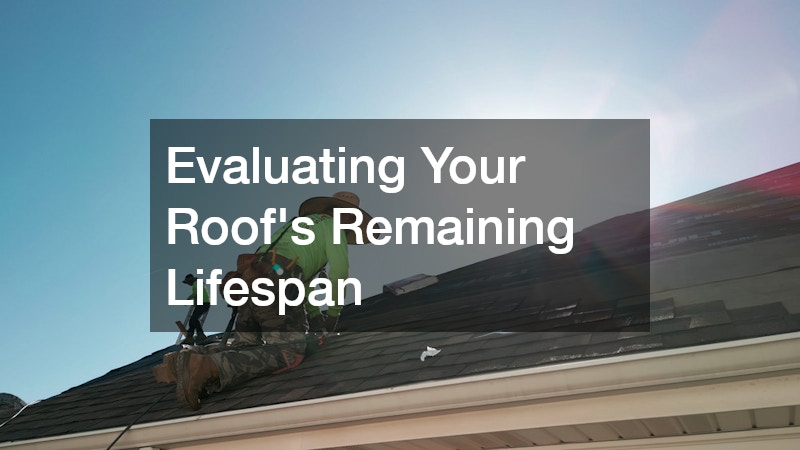
The roof is one of the most expensive systems to replace, but it’s also one of the easiest to plan for if you pay attention to warning signs early. Curling shingles, granule loss in gutters, and daylight visible through the attic boards are all signals that a full replacement may be closer than you think. Rather than waiting for a leak to force your hand, schedule a professional evaluation every few years once your roof passes the ten-year mark. Getting a written estimate from the best roofing company in your area, along with a realistic timeline, helps you budget for the expense instead of scrambling after storm damage.
Roof replacement costs vary widely depending on materials, so it pays to compare options rather than assuming asphalt shingles are your only choice. Metal roofing, for example, costs more upfront but often lasts twice as long and can lower cooling costs in hot climates.
- Inspect attic insulation and ventilation, since poor airflow shortens roof lifespan
- Ask contractors about warranty terms on both materials and labor
- Consider impact-resistant shingles if you live in a storm-prone region
- Budget replacement costs a few years ahead rather than reacting to a leak
Planning Ahead for Heating and Cooling Efficiency
Heating and cooling account for a huge share of the average utility bill, which makes this system one of the highest-impact areas for long-term savings. Units older than twelve to fifteen years tend to run less efficiently, cycle more often, and require more frequent repairs, even if they still technically work. Rather than waiting for a complete breakdown in the middle of summer, get a few air conditioning companies to evaluate your current system’s efficiency rating and estimate replacement costs. A newer, properly sized unit can cut energy bills significantly while also improving humidity control and indoor air quality.
Timing matters too. Scheduling a replacement during the off-season, rather than during a heat wave, often results in better pricing and faster installation since contractors aren’t overbooked.
- Ask about SEER ratings and how they translate to real savings
- Have ductwork inspected for leaks, which can waste significant energy
- Consider a smart thermostat to maximize efficiency from a new system
- Get multiple quotes before committing to a full replacement
Protecting Your Home From Hidden Plumbing Problems
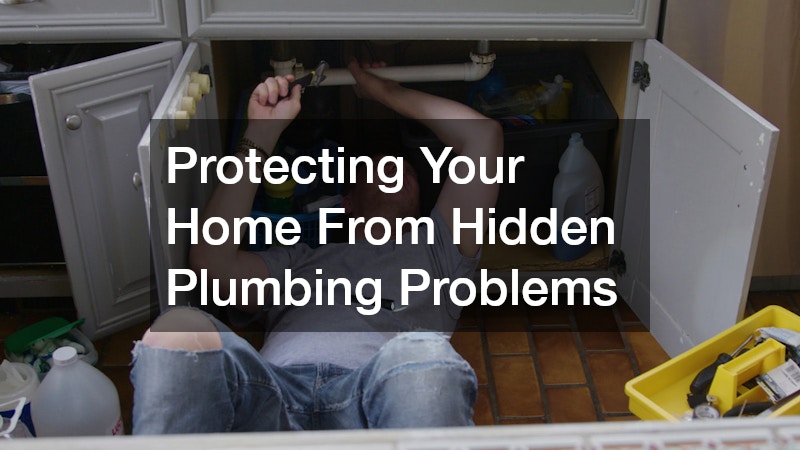
Plumbing issues are often invisible until they cause serious damage, which is exactly why proactive planning pays off. A sudden spike in your water bill, warm spots on the floor, or the sound of running water when everything is off can all point to a slab leak, a problem that occurs when a pipe beneath your home’s foundation begins to leak. Addressing slab leak repair quickly prevents structural damage, mold growth, and skyrocketing water bills that only get worse the longer the leak goes unaddressed. Because these leaks are hidden beneath concrete, professional detection equipment is usually needed to pinpoint the exact location before repair work begins.
Beyond leaks, aging pipes made of galvanized steel or older materials are more prone to corrosion and reduced water pressure over time. Planning a phased pipe replacement, rather than waiting for multiple failures, can save thousands compared to emergency repairs down the road.
- Watch for unexplained increases in your water bill
- Schedule a professional leak detection service if you suspect an issue
- Ask about trenchless repair options that avoid tearing up your foundation
- Replace aging supply lines proactively during other renovation work
Keeping Garage Systems Running Smoothly
The garage door is one of the most-used mechanical systems in a home, yet it’s frequently overlooked until it stops working entirely. Worn springs, misaligned tracks, and failing sensors not only create safety hazards but can also lead to a much larger repair bill if ignored. Scheduling routine garage door repair at the first sign of grinding noises, slow response times, or uneven movement helps you avoid a full system replacement. Simple annual maintenance, including lubrication and hardware tightening, can extend the life of the entire mechanism by years.
- Test the auto-reverse safety feature every few months
- Listen for grinding or scraping sounds during operation
- Replace worn weatherstripping to improve energy efficiency
- Have springs inspected annually, since they carry the most mechanical stress
Preventing Pest Damage to Structural Systems
Termites, rodents, and other pests can quietly cause thousands of dollars in damage to wiring, insulation, and structural wood before homeowners notice anything is wrong. Because much of this damage happens behind walls or under floors, it often goes undetected until a renovation project or inspection uncovers it. Partnering with established pest control companies for regular inspections is a low-cost way to protect the more expensive systems in your home, since pest damage frequently complicates electrical and plumbing repairs. Annual or biannual treatments are especially important in humid climates where termite activity tends to be more aggressive.
Preventive pest control is almost always cheaper than remediation after an infestation takes hold. Catching a problem early can mean the difference between a simple treatment and a costly structural repair.
- Schedule termite inspections annually, especially in wood-frame homes
- Seal exterior cracks and gaps where rodents commonly enter
- Keep firewood and mulch away from the foundation
- Ask about warranty-backed treatment plans for long-term protection
Deciding Between Renovating and Rebuilding

At some point, many homeowners face a bigger decision: is it worth continuing to upgrade an aging home, or does it make more financial sense to start fresh? Older homes sometimes carry outdated wiring, insufficient insulation, or a layout that no longer works efficiently, which can make repeated upgrades feel like a losing battle. In these cases, consulting with experienced home remodeling contractors can help you understand what’s realistic to fix versus what would require tearing down walls entirely. For those considering a completely new structure, talking with new home builders about energy-efficient designs and modern materials can offer long-term savings that outweigh the upfront cost of construction.
This decision often comes down to the age of the home, the extent of needed repairs, and your long-term plans for the property. A detailed cost comparison between major renovation and new construction is worth requesting before committing either direction.
- Compare renovation quotes against new-build estimates for your square footage
- Factor in resale value when weighing a major remodel
- Ask contractors about energy-efficient building materials
- Consider how long you plan to stay in the home before deciding
Maintaining Surfaces That Impact Air Quality and Longevity
While major systems get most of the attention, everyday surfaces play a bigger role in long-term home health than many people realize. Grout lines and tile surfaces trap moisture, dirt, and bacteria over time, which can contribute to mold growth and allergen buildup if left unaddressed. Scheduling professional tile and grout cleaning periodically not only improves indoor air quality but also extends the lifespan of flooring, delaying the need for a full replacement. This kind of routine maintenance is inexpensive compared to replacing tile that has been damaged by prolonged grime and moisture exposure.
- Reseal grout every twelve to eighteen months to prevent staining
- Address discoloration early, since it often signals moisture issues
- Use pH-neutral cleaners to avoid damaging natural stone tile
- Schedule deep cleaning before it becomes a visible problem
Managing Debris and Waste During Major Projects

Any major systems upgrade, whether it’s a roof replacement or a full renovation, generates a significant amount of construction debris that needs to be handled responsibly. Renting from a reliable dumpster rental company keeps your project site safe, organized, and compliant with local waste disposal regulations. Choosing the right container size upfront prevents the added cost and hassle of needing a second pickup halfway through the project. Planning this logistical detail ahead of time keeps your renovation on schedule and avoids unnecessary delays.
- Estimate debris volume based on project scope before ordering a container
- Ask about permitted placement if the dumpster needs to sit on the street
- Confirm what materials are accepted, since some items require special disposal
- Schedule pickup dates around your contractor’s project timeline
Upgrading your home’s major systems doesn’t have to feel overwhelming when you approach it with a clear plan rather than reacting to emergencies as they arise. Start with an honest assessment of where your home stands today, prioritize the systems with the highest risk of costly failure, and budget for upgrades in phases rather than all at once. Taking this proactive approach protects your investment, lowers your long-term costs, and gives you peace of mind for years to come. The best time to start planning is now, before a small issue turns into an expensive emergency.