
The transition into homeownership is often celebrated as a major life milestone, a dream realized after years of saving and planning. However, once the moving boxes are unpacked and the honeymoon phase fades, the reality of property management sets in. Suddenly, you are not just a resident; you are the landlord, the property manager, and the ultimate decision-maker for every squeaking floorboard, flickering lightbulb, and mysterious leak. The sheer volume of maintenance required to keep a home safe, functional, and visually appealing can be overwhelming. When a major system fails or a structural issue arises, the anxiety is compounded by the daunting task of finding trustworthy, competent professionals to fix the problem.
The home improvement industry is vast and heavily saturated. While there are countless highly skilled and honest professionals out there, the market also has its share of inexperienced workers, unlicensed operators, and even outright scammers. The cost of a poor hiring decision extends far beyond the initial invoice. Subpar workmanship can lead to catastrophic property damage, safety hazards for your family, and plummeting property values. Furthermore, dealing with the fallout of a botched repair job takes a significant emotional toll, turning what should be your safe haven into a source of chronic stress.
This guide is designed to dismantle that anxiety. By shifting your approach from reactive panic to proactive management, you can take control of your home’s upkeep. The following sections will provide you with a comprehensive, step-by-step strategy for vetting, hiring, and managing maintenance professionals. From verifying legal credentials to understanding the fine print of contracts and warranties, you will learn how to protect your investment and build a reliable roster of experts you can call upon with absolute confidence.
Verify State Licensing and Local Code Knowledge

One of the most common and dangerous mistakes a homeowner can make is confusing a business registration with a professional trade license. In many jurisdictions, securing a business license simply requires paying a small fee to the local government; it merely signifies that an entity is legally permitted to conduct commerce and collect taxes. It is not a testament to a worker’s competency, training, or adherence to safety standards. A trade license, on the other hand, is a formal credential issued by a state or regulatory board. Earning this license typically requires thousands of hours of apprenticeship, rigorous classroom education, and passing comprehensive examinations.
When you are hiring professionals to work on the complex, vital systems of your house, ensuring they possess the appropriate trade license is non-negotiable. This is particularly crucial for trades that handle hazardous elements. For instance, poorly executed wiring by unqualified electrical contractors can easily lead to devastating house fires or fatal shocks, while amateur pipework done by inexperienced plumbing contractors can result in hidden leaks, toxic mold growth, and massive structural rot. Licensed professionals are bound by law to adhere to strict municipal building codes, which are designed specifically to prevent these disasters. Furthermore, if unpermitted or non-code-compliant work is discovered when you eventually try to sell your property, you could face hefty fines or be forced to rip out and redo the work at your own expense.
To ensure you are hiring someone with the proper credentials and local code knowledge, follow this verification process:
-
Request the License Number Directly: During your initial phone call or consultation, ask the professional for their state-issued license number. A legitimate professional will have this readily available and will be proud to share it.
-
Use the State Board Portal: Navigate to your state’s Department of Consumer Protection or specialized licensing board website. These sites almost always feature a free search tool where you can input the license number or the individual’s name.
-
Check the Status: Verify that the license is currently “Active.” A suspended or expired license is an immediate red flag, indicating a failure to pay renewal fees or a loss of credentials due to malpractice.
-
Review Disciplinary History: Licensing portals usually provide a public record of any formal complaints, fines, or disciplinary actions taken against the license holder. A history of unresolved complaints should prompt you to look elsewhere.
-
Ask About Permits: Always ask the professional if the job will require a municipal permit. A knowledgeable expert will handle the permitting process for you and will never suggest skipping this step to “save time or money.”
Prioritize Preventative Inspections Over Emergency Fixes
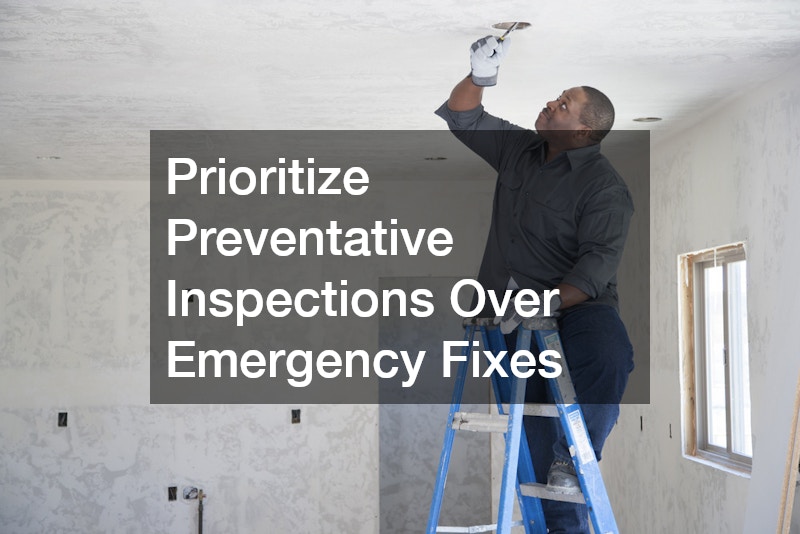
Human nature often dictates that we ignore problems until they become too large to ignore. In the realm of homeownership, this reactive mindset is the most expensive way to live. Waiting for a pipe to burst before calling for help, or ignoring a strange sound in the HVAC system until it completely dies in the middle of winter, guarantees that you will pay premium prices for emergency, after-hours dispatch. More importantly, it means you will suffer the collateral damage that comes with sudden system failures. Prioritizing preventative maintenance and routine inspections shifts your strategy from crisis management to controlled, predictable upkeep.
Routine evaluations allow professionals to identify microscopic wear-and-tear long before it compromises the structural integrity or functionality of your home. A tiny, seemingly insignificant crack or a slightly loose component can easily be remedied with a minor adjustment during a scheduled checkup. If left unattended, that same minor issue can escalate into a massive failure requiring complete system replacement. Building a long-term relationship with experienced roofing contractors for annual or bi-annual inspections, for example, is the absolute best strategy to catch missing shingles, degraded flashing, or minor leaks early. This proactive approach can successfully delay or completely eliminate the need for extensive, financially devastating roofing repairs following a severe rainstorm or heavy winter snowfall.
To transition to a preventative maintenance mindset, implement a strict seasonal schedule for your property:
-
Spring Evaluations: Once the snow melts, hire professionals to inspect the exterior of your home. Have the foundation checked for freeze-thaw cracking, inspect the exterior paint and siding, and have your air conditioning unit serviced before the summer heat arrives.
-
Summer Upkeep: Focus on the grounds and exterior structures. Have your decks inspected for rot, ensure exterior sealing around windows and doors is intact, and have pest control experts evaluate the perimeter to prevent warm-weather infestations.
-
Autumn Preparations: As leaves begin to fall, it is time to prepare for the cold. Have your heating system comprehensively serviced, ensure all ductwork is clean, and schedule professionals to clear debris from your exterior drainage systems so freezing water does not cause damage.
-
Winter Monitoring: During the colder months, monitor your home’s insulation and ventilation. Keep an eye out for ice dams forming on the eaves, check for drafts around entryways, and ensure your basement remains dry during periods of heavy melting snow.
Demand Proof of Liability Coverage for High-Risk Jobs

A surprisingly common misconception among property owners is that their standard homeowner’s insurance policy will protect them if a worker is injured on their property or if a worker accidentally damages the home. In reality, hiring uninsured workers transfers an enormous amount of legal and financial risk directly onto your shoulders. If a worker slips on your stairs, falls from a ladder, or accidentally drops a heavy tool that shatters your expensive windows, an uninsured worker can sue you for medical bills, lost wages, and damages. To protect your financial future, you must understand the difference between General Liability Insurance and Worker’s Compensation Insurance, and you must demand proof of both before allowing anyone to begin work.
General Liability Insurance is designed to cover property damage. If a worker accidentally ruptures a water main that floods your basement, their liability policy pays for the cleanup and restoration. Worker’s Compensation Insurance, conversely, covers the medical expenses and lost wages of the employees if they are injured while performing the job. If the company you hire does not carry Worker’s Comp, the injured employee’s lawyer will likely file a claim against your homeowner’s insurance, which can lead to canceled policies or skyrocketing premiums. This dual coverage is non-negotiable for all projects, but it becomes absolutely vital for trades involving extreme physical danger, high altitudes, or heavy falling debris. Strict insurance verification is the only way to protect yourself when hiring tree removal contractors to cut down dying oaks looming over your bedroom, or when bringing in chimney contractors to dismantle and rebuild heavy, crumbling masonry, as a single dropped branch or brick could cause catastrophic destruction to your home.
Verifying a professional’s insurance requires more than just looking at a badge on their website. Follow these steps to ensure you are fully protected:
-
Request a COI: Always ask the company for a Certificate of Insurance (COI). This is a standardized document detailing their coverage limits and policy types.
-
Demand Direct Delivery: Do not accept a photocopied COI directly from the worker. Savvy, unscrupulous operators have been known to forge these documents. Instead, ask them to have their insurance broker or agent email the COI directly to you.
-
Check the Expiration Dates: Carefully review the effective and expiration dates on the document. Ensure that the policy will remain active throughout the entire projected timeline of your project. If it expires midway through, demand a renewed certificate before work continues.
-
Look for Adequate Limits: Ensure the liability coverage limit is substantial enough to cover the total replacement cost of your home in the event of a worst-case scenario. A policy with a $100,000 limit is useless if they accidentally burn down a $500,000 house.
-
Verify Subcontractor Coverage: If the primary company plans to use subcontractors for parts of the job, insist on seeing insurance certificates for every single subcontractor who will step foot on your property.
Ask for Portfolios on Grading and Drainage Projects

While a beautifully remodeled kitchen or a freshly painted living room provides immediate visual gratification, the most critical elements of your home are the ones that protect it from the elements. Water is arguably the most destructive force your property faces. Poor drainage and improper exterior grading are silent destroyers, slowly undermining foundations, flooding basements, and causing soil erosion that can compromise the entire structure of the house. When hiring professionals to manage how water interacts with your property, you cannot afford to rely on guesswork or basic promises; you need visual, documented proof of their expertise.
Assessing a professional’s portfolio is the best way to gauge their competence in managing water flow. However, evaluating past work requires looking beyond freshly completed, aesthetically pleasing project photos. You need to know how their work holds up against the relentless forces of nature over time. A reputable gutter installation contractor should be able to provide case studies and photographs demonstrating exactly how their custom-pitched systems efficiently capture heavy rainfall and actively route it far away from the foundation walls. Similarly, experienced asphalt contractors must be able to present a portfolio proving their driveways and walkways are perfectly graded with precise slopes, ensuring that water naturally runs off into the street or designated drainage zones rather than pooling dangerously near the garage doors.
To effectively evaluate a portfolio and verify the long-term success of drainage and grading projects, take the following steps:
-
Demand “Before and After” Evidence: Ask for photos that show the property before the intervention, during the construction phase (showing the subsurface preparation), and after the final installation. This reveals their process, not just the polished result.
-
Request Aged References: Do not just speak to clients whose projects were finished last week. Ask for references from clients whose projects were completed at least one to two years ago. This ensures the work has survived a full cycle of spring rains, summer storms, and winter freezes.
-
Ask Targeted Questions: When calling these references, ask specific questions: “Have you noticed any water pooling after heavy rain?”, “Did the basement remain perfectly dry during the last big storm?”, and “Has the slope or grading settled or shifted over the past year?”
-
Inspect Work in Person: If possible, drive by previous job sites in your neighborhood, especially after a rainstorm. Observing a previously paved driveway or newly installed drainage system during wet conditions will give you immediate, undeniable proof of whether the grading is actually working.
-
Look for Holistic Solutions: Ensure the professional’s portfolio demonstrates an understanding of the whole property ecosystem. Good drainage isn’t just about moving water; it’s about ensuring the water isn’t simply redirected into a neighbor’s yard or a delicate garden bed.
Check Manufacturer Certifications for Specialized Equipment

Modern homes are no longer simple structures made of wood and nails; they are complex ecosystems filled with highly advanced, intricate mechanical systems. From smart HVAC units and tankless water heaters to integrated security networks and automated exterior features, home technology is evolving rapidly. Because these systems are so expensive and technologically advanced, manufacturers protect their products with strict warranties. These warranties are designed to guarantee performance, but they almost always come with a massive caveat: the warranty becomes completely void if the system is installed, repaired, or serviced by an unauthorized or uncertified technician.
Hiring a generalist to fix a highly specialized piece of equipment is a gamble you should not take. While a local handyman might be excellent at patching drywall or fixing a leaky faucet, they likely lack the proprietary software, specialized tools, and specific factory training required to correctly calibrate a modern mechanical unit. For example, hiring specialized garage door contractors is essential because they are factory-trained on the physics of specific, highly dangerous tension spring mechanisms and automated safety sensors. In the backyard, modern pool contractors frequently must hold specific manufacturer certifications to legally install, program, and repair advanced variable-speed filtration pumps and smart heating units; allowing an uncertified worker to tamper with these systems will instantly void the factory guarantee, leaving you entirely responsible for future replacement costs.
To ensure your warranties remain intact and your high-tech systems are serviced correctly, implement these verification strategies:
-
Locate the Equipment Specs: Before calling anyone, find the make, model, and serial number of the failing equipment. Locate the original owner’s manual or look up the warranty terms online to see what qualifications are required for service technicians.
-
Search OEM Directories: Go directly to the official website of the Original Equipment Manufacturer (OEM). Most major brands have a “Find a Certified Pro” or “Locate a Dealer” search tool. Cross-reference the professional you intend to hire with this official database.
-
Ask for the Badge: When interviewing a technician, ask them outright if they are certified by your specific equipment’s manufacturer. Ask them to present their physical certification badge or official documentation proving they have completed the required factory training courses.
-
Verify Ongoing Education: Technology changes every year. Ask the technician when they last attended a manufacturer training seminar. A truly certified professional is required to take continuing education courses to maintain their authorized status.
-
Document Everything: Once the certified repair is complete, keep the detailed invoice, the technician’s certification number, and a record of the parts used. File this documentation away safely; if the equipment fails again and you need to file a warranty claim, the manufacturer will demand this exact paperwork as proof that the system was maintained properly.
Establish Clear Payment Milestones and Avoid Large Upfront Deposits
Even after you have verified licenses, checked insurance, reviewed portfolios, and confirmed certifications, the financial structure of your agreement can still make or break the project. The way a professional handles money and structures their payment schedule tells you almost everything you need to know about their business acumen, their cash flow stability, and their overall trustworthiness. Handing over too much money before work begins is the most common way homeowners find themselves abandoned with half-finished kitchens, torn-up yards, and empty bank accounts. A fair, legally sound payment structure protects both your capital and the professional’s livelihood.
The industry standard for reputable companies is often referred to as the “Rule of Thirds” or a milestone-based payment schedule. This means you pay a reasonable deposit upfront to secure your spot on the schedule and cover initial material costs. A second payment is made halfway through the project, strictly tied to a verifiable milestone (such as the completion of framing or the delivery of major appliances). The final payment is only released when the job is entirely finished. Be incredibly wary of anyone who demands fifty percent or more upfront, as this often indicates they are struggling financially and are using your deposit to pay off debts from their previous job. Furthermore, absolutely refuse to do business with anyone who demands payment entirely in cash or refuses to provide itemized, formal receipts.
To protect your funds and ensure the project crosses the finish line successfully, enforce these financial rules in your contract:
-
Limit the Down Payment: Depending on your state laws, the maximum legal down payment may be capped (often at 10% to 33% of the total project cost). Never exceed your state’s legal maximum, and ensure the deposit amount is explicitly stated in the written contract.
-
Tie Payments to Progress, Not Dates: Never agree to a schedule that demands a payment every Friday, regardless of how much work was done. Payments must be tied to tangible, completed milestones. If the work is delayed by rain, the payment is delayed until the milestone is reached.
-
Understand Mechanics Liens: Ask for a “Lien Waiver” before making any milestone payments. This legal document proves that the primary company has paid their suppliers and subcontractors. If they fail to pay their workers, those workers can place a lien on your house, forcing you to pay twice.
-
Hold Back the Retainage: Always withhold the final 10% to 15% of the total project cost. This is known as the retainage. It provides the financial leverage necessary to ensure the company finishes the tedious final touches of the job.
-
Execute a Final Walkthrough: Never release the retainage until you have conducted a meticulous final walkthrough. Ensure every detail matches the contract, the site has been thoroughly cleaned, all debris has been hauled away, and you are completely satisfied with the workmanship.
Conclusion
Navigating the world of home maintenance does not have to be a gamble. By shifting your approach from blind trust to informed verification, you transform yourself from a vulnerable consumer into an empowered project manager. Taking the time to verify legal credentials, scrutinize liability coverage, demand manufacturer certifications, and structure your payments intelligently requires effort upfront, but it is an investment that pays massive dividends.
Doing this homework saves thousands of dollars in botched repairs and spares you the immense emotional headache of dealing with unreliable workers. Your home is likely your largest financial asset and the sanctuary where your family lives; it deserves to be treated with the utmost care by true professionals. Start building your personal roster of vetted, trustworthy experts today, long before a sudden crisis strikes. Take control of your property’s future, and you will ensure your home remains a safe, beautiful, and valuable asset for decades to come.