Key Takeaways:
- Upcycling old clothes into pillow cases is a simple, eco-friendly way to refresh your home décor while saving money.
- Choose soft, manageable fabrics like cotton, linen, or flannel; avoid heavily stained or worn-out clothes.
- Gather essential tools first: scissors, pins, measuring tape, sewing machine or needle and thread, and an iron.
- Measure and cut your fabric carefully, adding seam allowance for a proper pillow fit.
- Basic pillow case sewing involves folding fabric, pinning edges, sewing seams, finishing edges, and inserting the pillow.
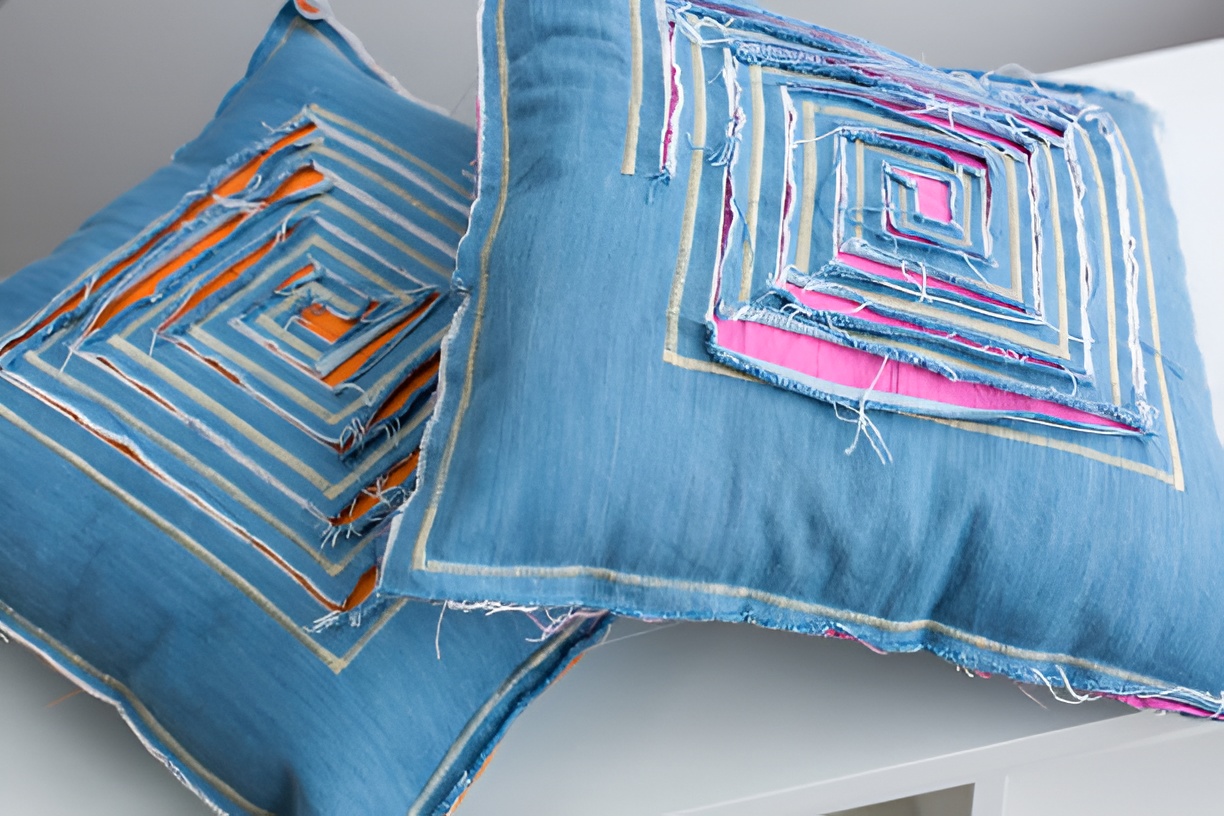
- Get creative with patchwork, applique, embellishments, mixed textures, or stencils to personalize your pillows.
- Proper care, including gentle washing, careful drying, and ironing, keeps your upcycled pillow cases looking great.
Are you looking for a fun, eco-friendly way to refresh your bedroom décor without spending a fortune? Upcycling old clothes into pillow cases is an easy and creative DIY project that lets you give new life to fabric you already have. Not only is this approach sustainable, but it also adds a personal, unique touch to your living space. In this guide, we’ll walk you step by step on how to make pillow cases from old clothes, with tips and tricks for beginners and experienced crafters alike.
Why Upcycle Clothes into Pillow Cases?
Before diving into the DIY steps, let’s talk about why you might want to try this. Upcycling has become increasingly popular for a few good reasons:
- Saves money: Instead of buying new fabric or pillow covers, you can repurpose what’s already in your closet.
- Reduces waste: Old t-shirts, jeans, and dresses that might otherwise end up in the trash get a new lease on life.
- Unique style: Each pillow case can be customized with your favorite colors, patterns, and textures.
- Creative expression: You can mix fabrics, add patches, embroidery, or even stencils for a truly one-of-a-kind piece.
Even if you’ve never sewn before, this project is simple enough to tackle with basic tools and minimal sewing skills.
What Clothes Work Best for Pillow Cases?
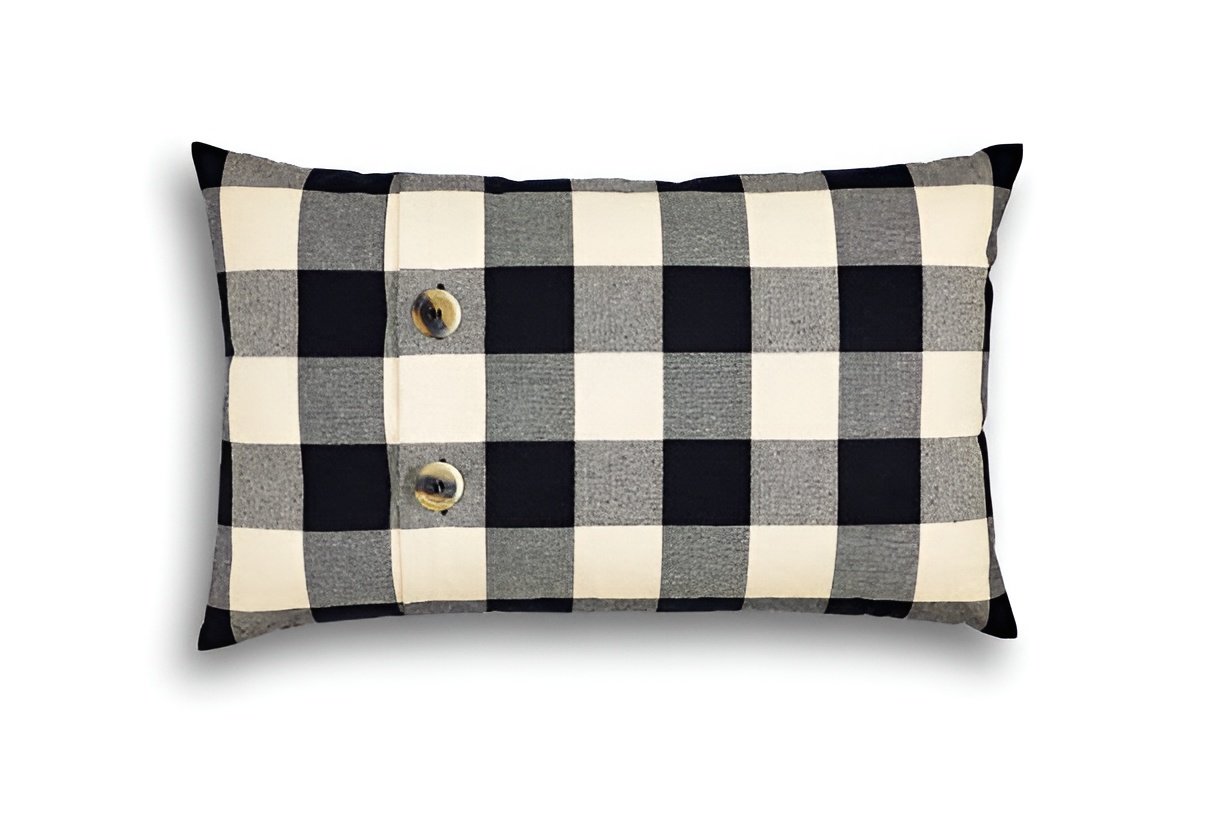
Not every old shirt or pair of pants is suitable for pillow-making. Here’s what to consider:
- Material: Cotton, linen, and flannel are ideal for pillow cases because they are soft and easy to work with.
- Thickness: Lightweight fabrics are easier to sew, while thicker materials like denim or wool require a heavy-duty needle and stronger thread.
- Condition: Avoid clothes with significant stains, holes, or worn-out fabric unless you plan to incorporate them creatively.
- Patterns and colors: Mix and match patterns for a fun, eclectic look, or stick with a color theme for a coordinated design.
Old t-shirts are a favorite for beginners since they’re soft, stretchy, and often plentiful.
Tools and Materials You’ll Need
Before you start, gather the following items:
- Old clothes you want to repurpose
- Fabric scissors or rotary cutter
- Measuring tape or ruler
- Pins or fabric clips
- Sewing machine or needle and thread
- Iron and ironing board
- Optional: Fabric glue, embellishments, or patches
Having all your tools ready makes the process smoother and more enjoyable.
How to Measure and Cut Your Fabric
Step one in creating a pillow case is cutting your fabric to the right size. Here’s how:
- Determine pillow size: Standard pillows are 20×26 inches, queen pillows 20×30 inches, and king pillows 20×36 inches. Adjust your measurements based on your pillow insert.
- Add seam allowance: Add at least ½ inch on all sides for sewing. For a more relaxed fit, you can add up to 1 inch.
- Lay out your fabric: Iron it flat, then place your pillow insert on top to estimate the cutting area.
- Cut the fabric: Use sharp fabric scissors to cut straight lines.
If you’re working with patterned shirts, consider how the design will appear on the pillow. Centering stripes or logos can give your pillow a polished look.
Step-by-Step Pillow Case Sewing Guide
If you’ve recently discovered how to make a pillow, creating a matching case is the perfect next step. Here’s a simple method for sewing a basic pillow case:
- Fold the fabric: Place the right sides together, with the back of the fabric facing out.
- Pin the edges: Secure the sides and bottom with pins to prevent shifting while sewing.
- Sew the seams: Using a sewing machine or hand stitching, sew along the pinned edges, leaving one side open for inserting the pillow.
- Finish the edges: Trim excess fabric and finish raw edges with a zigzag stitch or serger to prevent fraying.
- Turn inside out: Flip the pillow case so the right side of the fabric is visible.
- Insert the pillow: Slide in your pillow insert and check the fit.
For added flair, you can sew a decorative hem on the open side or add a button, zipper, or envelope closure.
Creative Variations You Can Try
Upcycling pillow cases doesn’t have to be plain. Here are some ideas:
- Patchwork style: Combine multiple old shirts or fabrics to create a fun, quilt-like pillow case.
- Applique designs: Cut shapes from other fabric scraps and sew them onto the pillow.
- Embellishments: Add lace, ribbons, or embroidery for a personalized touch.
- Mixed textures: Pair soft cotton with denim or corduroy for a tactile, layered effect.
- Stencil or paint: Use fabric paint to add patterns or quotes to your pillow case.
These variations allow you to create pillows that reflect your personal style and home décor.
How to Make Envelope-Style Pillow Cases
Envelope-style pillow cases are easy to remove and wash. Here’s how to make one:
- Cut your fabric so that the back pieces are slightly longer than the pillow width.
- Overlap the back pieces by 4–6 inches.
- Sew the sides and bottom, leaving the overlap open.
- Turn the pillow case right side out and insert your pillow.
This style eliminates the need for zippers or buttons, making it beginner-friendly.
Tips for Sewing Without a Machine
Don’t have a sewing machine? No problem. You can hand-sew pillow cases with just a needle and thread:
- Use a running stitch or backstitch: These are simple and durable.
- Double-thread your needle: Adds strength to your seams.
- Knot securely: Ensure each seam is secure to prevent unraveling.
- Work slowly: Hand sewing takes longer, but it’s perfect for precise decorative details.
Hand-sewn pillows can have a charming, homemade look that adds character to your home.
How to Care for Upcycled Pillow Cases

Once your pillow cases are complete, taking care of them ensures they last longer:
- Washing: Use gentle cycles and cold water, especially for delicate fabrics.
- Drying: Air dry or tumble dry on low heat to prevent shrinking.
- Ironing: Iron on the appropriate setting for the fabric to keep the pillow looking crisp.
- Storage: Store spare pillow cases in a dry, cool place to avoid mildew.
Proper care ensures your upcycled pillow cases stay fresh and functional for years.
Common Mistakes to Avoid
Even simple projects can go awry if you’re not careful. Watch out for these:
- Not adding seam allowance: This can make your pillow too small.
- Choosing unsuitable fabrics: Stretchy or thick fabrics can be difficult to sew evenly.
- Skipping edge finishing: Raw edges may fray over time.
- Ignoring measurements: Pillows may fit poorly if fabric isn’t cut accurately.
Taking your time and paying attention to detail can prevent these common issues.
Why DIY Pillow Cases Make Great Gifts
Upcycled pillow cases aren’t just practical—they also make thoughtful gifts:
- Personalize them with favorite colors, patterns, or monograms.
- Create a matching set for a friend or family member.
- Add decorative touches like embroidery, buttons, or appliques.
- Package them nicely for birthdays, holidays, or housewarming presents.
Handmade gifts show effort, care, and creativity, making them memorable for recipients.
Eco-Friendly Benefits of Upcycling Fabric
By transforming old clothes into pillow cases, you’re helping the environment in several ways:
- Reduces landfill waste: Clothing accounts for tons of waste each year.
- Conserves resources: Less demand for new fabric reduces water, energy, and chemical use.
- Encourages sustainable habits: DIY projects promote a mindset of reusing and recycling.
- Supports slow fashion: Instead of fast fashion, upcycling gives garments a longer life.
Every pillow case you make from old clothes is a small step toward a greener lifestyle.
Frequently Asked Questions About DIY Pillow Cases
Can I use stretchy t-shirts for pillow cases?
Yes, stretchy fabrics like cotton jersey are fine, but be aware they may stretch while sewing. Use pins or clips to keep fabric in place.
Do I need a sewing machine for this project?
Not at all. You can hand-sew pillow cases with basic stitches, although a machine speeds up the process.
What if my old clothes are stained?
Avoid using heavily stained areas unless you plan to cover them with patches or embellishments.
How do I make sure the pillow insert fits snugly?
Measure your pillow and add ½–1 inch for seam allowance. Test the fit before finishing the open side.
Can I mix different fabrics in one pillow case?
Absolutely. Mixing textures and patterns is part of the fun of upcycling, creating unique and stylish designs.
Final Thoughts
Making pillow cases from old clothes is a simple, creative, and eco-friendly way to refresh your home décor. Whether you’re a seasoned crafter or a beginner, this project allows you to upcycle materials, save money, and express your personal style. From t-shirts to dresses, almost any fabric can find a new purpose as a pillow cover.
Start small, experiment with patterns, and don’t be afraid to add your own unique touches. Over time, you can build a collection of upcycled pillows that not only look great but also reflect a sustainable lifestyle.
Turn your old clothes into something beautiful, practical, and environmentally friendly—one pillow case at a time.