Extreme heat, sudden storms, and unpredictable winters are no longer rare events—they are the new normal for homeowners across the country. Protecting your house against these shifting conditions takes more than reactive repairs; it requires thoughtful, forward-looking upgrades that strengthen your home’s bones and systems. The good news is that many of these improvements also lower energy bills, boost comfort, and increase resale value. This guide walks through the most impactful climate-smart upgrades you can make, room by system, so you can prioritize what matters most for your home.
Strengthening Your Roof Against Severe Weather
Your roof is the first line of defense against wind, hail, rain, and intense sun, which means it deserves attention before small issues become major structural problems. Materials matter enormously here, since impact-resistant shingles, metal panels, and reflective coatings all perform differently depending on your climate zone. A roof that was adequate twenty years ago may not hold up against today’s more frequent storms, so a professional evaluation is worth scheduling even if you see no obvious damage.
Working with experienced roofing companies gives you access to materials engineered specifically for climate resilience, along with proper installation that prevents leaks and wind uplift. Many of these companies now offer energy-efficient shingle options that reflect sunlight and reduce attic heat buildup, which can meaningfully lower summer cooling costs.
- Impact-resistant shingles rated for hail and high wind
- Reflective or “cool roof” coatings for hot climates
- Proper attic ventilation to reduce moisture buildup
- Regular inspections after major storms
Upgrading Flat Roof Systems for Long-Term Durability
Flat roofs, common on additions, garages, and modern homes, face unique challenges when it comes to drainage and material breakdown under prolonged sun exposure. Ponding water is one of the most common culprits behind premature flat roof failure, and it often goes unnoticed until a leak appears inside the home. Because the installation techniques differ significantly from sloped roofing, hiring a flat roofing contractor with specific experience in membrane systems, tapered insulation, and proper sealing is essential for a lasting result.
Newer flat roof materials, such as TPO and EPDM membranes, offer significantly better UV resistance and flexibility in temperature swings than older asphalt-based systems. These upgrades can extend the lifespan of a flat roof by a decade or more when installed correctly and paired with routine maintenance checks.
- TPO and EPDM membranes for improved weather resistance
- Tapered insulation to eliminate standing water
- Seam inspections every one to two years
- Proper drainage slope calculations during installation
Keeping Your Cooling System Ready for Hotter Summers
As summer temperatures climb higher and heat waves last longer, your air conditioning system works harder and for more extended periods than it was originally designed for. Units that once cycled on for a few hours a day during moderate summers are now running nearly nonstop for weeks at a time. This added strain accelerates wear on compressors, coils, and refrigerant lines, making seasonal maintenance more important than ever. Warning signs are easy to miss until they become expensive problems. Weak airflow, warm spots in certain rooms, unusual rattling or clicking, and a spike in your energy bill can all signal that your system is struggling to keep pace with rising demand. Scheduling AC repair at the first sign of reduced airflow or inconsistent cooling can prevent a small issue from turning into a full system failure during the hottest week of the year. Beyond reactive repairs, a few proactive habits go a long way. Replacing air filters every one to three months keeps airflow strong and reduces strain on the compressor, while an annual professional tune-up catches refrigerant leaks and worn electrical connections before they cause a breakdown. Homeowners in particularly hot climates may also want to consider upgrading to a higher-SEER-rated unit, which can handle longer run times more efficiently while keeping cooling costs manageable for decades to come.
Beyond repairs, investing in routine AC services such as coil cleaning, refrigerant checks, and ductwork inspections helps your system run efficiently even under extreme heat. Dirty coils alone can reduce cooling efficiency by 10-15%, forcing your unit to work harder and driving up energy costs. Low refrigerant levels, often caused by small leaks, can strain the compressor and lead to premature system failure if left unaddressed. A thorough seasonal inspection should also include checking thermostat calibration, inspecting electrical connections, and verifying that airflow across the evaporator coil is unobstructed. Ductwork leaks are worth special attention, since the Department of Energy estimates that homes can lose up to 30% of conditioned air through gaps, cracks, or poorly sealed joints. Sealing and insulating ducts not only improves comfort but also reduces the strain on your system during peak demand. Homeowners who stay ahead of maintenance typically see lower energy bills and fewer emergency breakdowns, which matters most when temperatures are at their peak and technicians are in high demand. Scheduling service in early spring, before the summer rush, can also mean shorter wait times and more flexibility in choosing a qualified technician.
- Annual refrigerant level checks — low levels force compressors to work harder, spiking energy bills and shortening system life
- Coil and condenser cleaning before peak season — dirty coils can cut cooling efficiency by up to 30%, so schedule service in early spring
- Ductwork inspection for leaks and insulation gaps — sealing leaks can save 20% or more on cooling costs and prevents hot spots in upper floors
- Smart thermostats to reduce unnecessary runtime — look for models with geofencing and usage reports to fine-tune schedules automatically
- Upgrading to a higher SEER-rated unit if yours is 10+ years old — newer systems handle extreme heat more reliably and qualify for utility rebates
- Adding attic or wall insulation to ease the cooling load — this keeps your AC from fighting against heat transfer on the hottest days
Modernizing Your Heating and Cooling Infrastructure
Climate-smart homes increasingly rely on integrated heating and cooling systems rather than older units that handle only one function inefficiently. A full-service HVAC Company can assess whether your current setup matches your home’s insulation, square footage, and regional climate demands, since mismatched systems waste energy and wear out faster. Many homeowners are surprised to learn that upgrading to a variable-speed or dual-fuel system can cut energy consumption substantially while also improving indoor air quality.
Replacing an aging system is also an opportunity to address ductwork problems that have quietly reduced efficiency for years. Properly sized equipment, sealed ducts, and zoned controls allow a home to maintain comfortable temperatures during both extreme heat and sudden cold snaps without constant strain on the equipment.
- Variable-speed systems for better temperature consistency
- Dual-fuel heat pumps for shoulder-season efficiency
- Zoned heating and cooling for multi-story homes
- Smart filtration for improved indoor air quality
Protecting Your Home’s Water Systems From Temperature Extremes
Freezing winters and sudden temperature swings put significant stress on pipes, water heaters, and drainage systems, especially in homes not originally built with these extremes in mind. Pipes running through unheated basements, crawl spaces, attics, and exterior walls are particularly vulnerable, since even a few hours below 20°F can cause water inside them to freeze and expand. Burst pipes remain one of the most expensive and disruptive problems a homeowner can face, often causing water damage that spreads far beyond the original leak and can total tens of thousands of dollars in repairs. Licensed plumbers can identify vulnerable pipe sections, recommend insulation upgrades, and install freeze-resistant fixtures before winter weather arrives. Common fixes include foam pipe sleeves, heat cable wraps for exposed lines, and relocating pipes away from outer walls when a renovation allows for it. Many plumbers also recommend installing a water pressure monitoring system or smart leak detector, which can alert homeowners the moment a pipe begins to fail rather than after flooding has already started. Water heaters deserve the same scrutiny, since extreme cold forces them to work harder and shortens their lifespan. A professional inspection can confirm that tank insulation, pressure relief valves, and anode rods are in good condition before seasonal demand spikes. Drainage systems and outdoor spigots should also be checked, with shutoff valves and hose bibb covers installed to prevent backflow and freeze damage during sudden temperature drops.
Beyond freeze protection, modern water heating systems and smart leak detectors offer an added layer of resilience against unpredictable weather patterns. Tankless and heat-pump water heaters, for instance, handle temperature fluctuations better than older tank units, which can struggle or even crack when incoming water temperatures swing to extremes. Smart leak detectors add another critical safeguard. Devices placed near water heaters, washing machines, and under sinks can alert you via smartphone the moment they sense moisture or abnormal flow, while whole-home systems can automatically shut off the main water supply if a pipe bursts. Many of these units cost between $50 and $300, a small price compared to the thousands of dollars a single burst pipe or slow leak can cause in structural damage, mold remediation, and ruined belongings. These upgrades are relatively affordable compared to the cost of repairing water damage, making them one of the more practical climate investments a homeowner can make. Some insurance providers even offer premium discounts for homes equipped with smart monitoring systems, further offsetting the upfront cost.
- Pipe insulation for exterior and crawl space lines — foam sleeves or heat tape on pipes near unheated areas prevent freezing and bursting when temperatures drop below 20°F
- Smart water leak detectors with shutoff capability — devices like Moen Flo or Flume sense pressure drops or moisture and automatically cut water supply, potentially saving thousands in flood damage
- Tankless water heaters for efficiency and space savings — these units heat water on demand, cutting energy use by up to 30% while freeing up closet or basement space
- Backflow prevention for heavy rainfall regions — check valves or backflow preventers stop sewage and storm runoff from reversing into your home during flash floods
- Sump pump battery backups for power outages — a secondary power source keeps basements dry when storms knock out electricity during the heaviest rain
- Freeze-resistant outdoor spigots — frost-free hose bibs reduce the risk of cracked fittings during sudden cold snaps
Reinforcing Garage Entry Points Against Wind and Storm Pressure
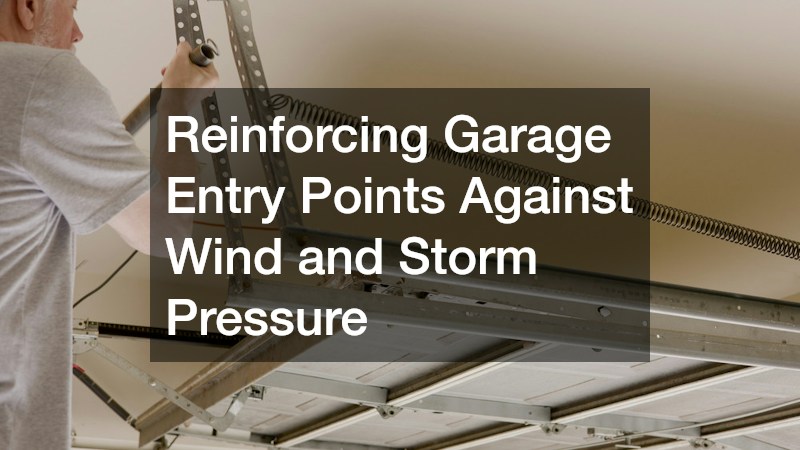
Garage doors are often the largest moving opening on a home’s exterior, which makes them particularly vulnerable during high winds and severe storms. A door that buckles under wind pressure can compromise the entire structure, since the sudden pressure change can damage roof framing and walls. Reinforced panels, heavier-duty tracks, and wind-rated hardware are now widely available and should be a priority upgrade for homes in storm-prone regions.
Insulated garage doors offer the additional benefit of regulating temperature swings, which helps protect stored belongings and reduces strain on any adjacent living space. Combined with weatherstripping and sealed thresholds, these upgrades keep moisture and extreme temperatures from creeping into the rest of the home.
- Wind-rated panels for storm-prone regions
- Insulated cores for temperature regulation
- Reinforced tracks and rollers for heavier doors
- Weatherstripping to block moisture intrusion
Expanding Living Space With Weather-Resistant Additions
As homeowners look for ways to enjoy their outdoor space despite increasingly unpredictable weather, sunrooms have become a popular solution that bridges indoor comfort with outdoor views. These enclosed spaces are built with insulated glass and weather-sealed framing, allowing them to stay comfortable through seasonal swings without the energy drain of a traditional addition. A well-designed sunroom can also serve as a buffer zone that reduces heat transfer into the main living area.
When planning this kind of addition, it is worth considering materials rated for your specific climate, including low-emissivity glass for hot regions and reinforced framing for areas prone to heavy snow loads. Done well, a sunroom adds usable square footage while remaining resilient against the elements for decades.
- Low-emissivity glass to reduce heat gain
- Reinforced framing for snow and wind loads
- Insulated flooring for year-round comfort
- Proper ventilation to prevent condensation buildup
Designing Outdoor Structures That Hold Up Over Time

Outdoor living spaces take a beating from sun exposure, moisture, and temperature swings, which is why material choice matters as much as design. A custom deck build using composite materials or weather-treated wood can resist warping, fading, and rot far longer than standard lumber, especially in humid or coastal climates. Proper footing depth and spacing also matter more than most homeowners realize, since shifting soil from freeze-thaw cycles can gradually undermine a poorly constructed deck.
Beyond materials, thoughtful design choices like proper drainage beneath the deck and UV-resistant sealants extend the life of the structure significantly. Homeowners who invest in quality construction upfront typically avoid costly repairs within the first decade, which makes this an upgrade worth doing right the first time.
- Composite decking for rot and fade resistance
- Proper footing depth for freeze-thaw regions
- UV-resistant sealants reapplied every few years
- Adequate drainage to prevent moisture buildup
Managing Sun Exposure With Adjustable Outdoor Shading
As summers grow hotter and more intense, controlling direct sun exposure on patios and windows has become an important part of climate-smart home design. Retractable awnings offer a flexible solution, allowing homeowners to block harsh afternoon sun when needed while retracting them during cooler, overcast days. This adaptability makes them more practical than fixed shade structures, which cannot adjust to changing weather conditions throughout the day.
Many newer models include wind sensors that automatically retract the awning during sudden gusts, protecting the fabric and frame from storm damage. This kind of smart shading not only extends the life of outdoor furniture and flooring but also reduces indoor cooling costs by blocking heat before it reaches your windows.
- Wind sensors for automatic retraction during storms
- UV-resistant fabrics that resist fading
- Manual or motorized operation options
- Reduced indoor heat gain through shaded windows
Climate-smart upgrades are not about chasing trends but about making deliberate investments that protect your home’s structure, systems, and comfort for the long haul. Start by identifying the areas of your home most vulnerable to your region’s specific weather patterns, whether that’s an aging roof, an overworked cooling system, or exposed outdoor spaces. Tackling even one or two of these projects this year can meaningfully reduce your risk of costly damage down the road. The sooner you begin, the more decades of protection and peace of mind you’ll gain from your home.