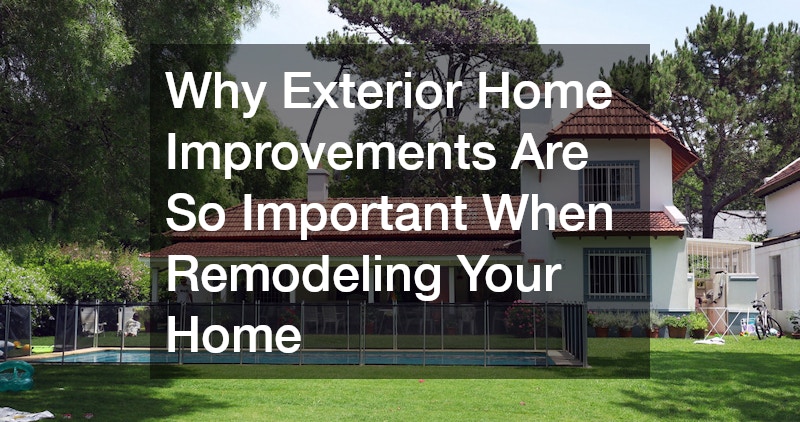
When homeowners think about remodeling, their attention often turns immediately to kitchens, bathrooms, and interior finishes. While these spaces certainly matter, the exterior of a home plays an equally important role in both performance and value. The outside of your property is the first thing people see, and it serves as the primary barrier against weather, moisture, and environmental wear. Neglecting exterior improvements during a remodel can lead to missed opportunities for enhanced curb appeal, improved energy efficiency, and long-term structural protection. A well-rounded remodeling strategy considers how outdoor elements, structural components, and landscaping features work together to support the overall integrity of the home.
Enhancing Curb Appeal and First Impressions
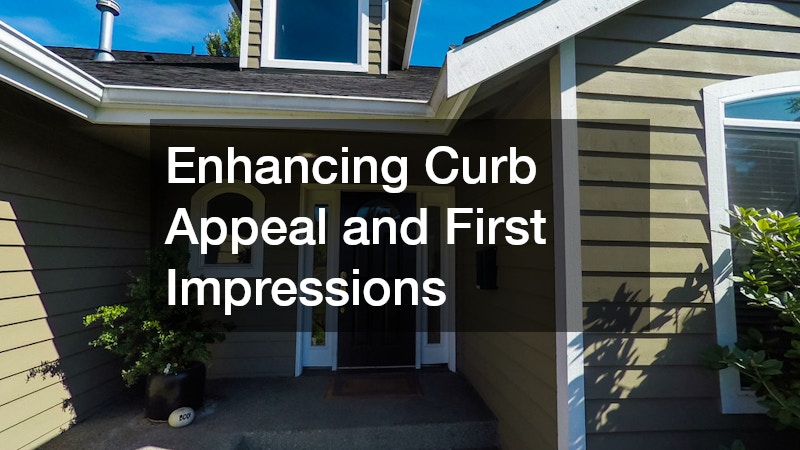
First impressions carry significant weight in real estate, and the exterior of your home sets the tone before anyone steps inside. Clean lines, well-maintained surfaces, and cohesive design choices create an inviting appearance that reflects care and attention to detail. When remodeling, updating exterior features ensures that the outside matches the improvements being made indoors. Without these upgrades, even the most stunning interior renovation can feel incomplete or disconnected from the rest of the property.
Working with a skilled landscape contractor can dramatically elevate curb appeal through thoughtful plant selection, hardscape integration, and strategic layout design. Properly placed trees, shrubs, and garden beds frame the home and highlight architectural features. Enhancements such as defined walkways, trimmed hedges, and seasonal color add visual depth and balance. By prioritizing landscaping as part of the remodeling process, homeowners create a welcoming exterior that complements interior updates and strengthens overall property value.
Improving Water Efficiency and Drainage
Water management is one of the most critical aspects of exterior remodeling. Poor drainage can lead to foundation issues, soil erosion, and long-term structural damage. Addressing grading, runoff direction, and moisture control during a remodel helps protect new improvements from preventable wear. Effective water management not only preserves the integrity of the home but also reduces maintenance costs over time.
Installing or upgrading an irrigation system can further enhance water efficiency while supporting healthy landscaping. Modern systems allow homeowners to regulate watering schedules based on climate conditions, soil type, and plant needs. This level of control prevents overwatering, reduces waste, and promotes stronger root growth. By integrating efficient irrigation into exterior remodeling plans, homeowners ensure that their landscaping remains vibrant without compromising structural stability or increasing utility expenses.
Expanding Functional Outdoor Living Space
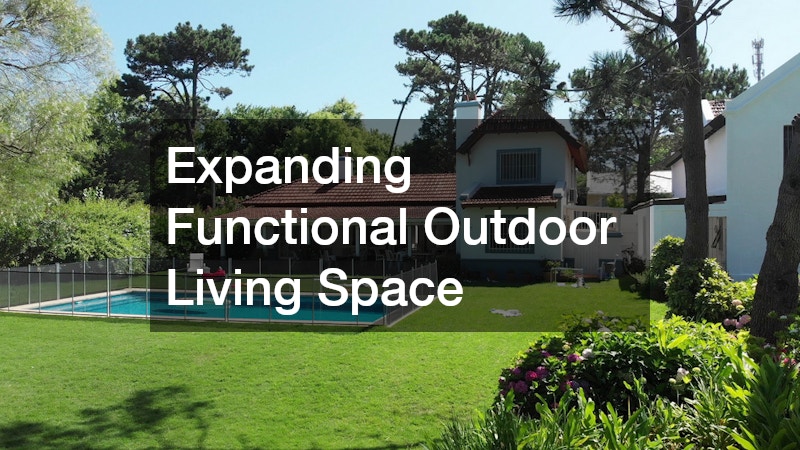
Outdoor living areas have become an essential extension of the modern home. Remodeling is no longer confined to interior walls, as homeowners increasingly seek to create spaces where they can relax, entertain, and spend time with family outside. Expanding functional outdoor areas enhances lifestyle flexibility and increases usable square footage without the cost of a full interior addition. Patios, decks, and covered seating areas allow the home to adapt to seasonal changes and social gatherings. When thoughtfully designed, these exterior features feel like natural continuations of indoor living spaces rather than separate afterthoughts.
Incorporating a composite deck into an exterior remodeling plan can provide durability and low-maintenance performance while elevating the overall appearance of the property. Composite materials resist rot, insect damage, and fading more effectively than traditional wood, reducing long-term upkeep costs. These decks can be customized in color and texture to complement siding, trim, and landscaping elements. Proper installation ensures structural stability, safe weight distribution, and seamless integration with entry points from the home. By prioritizing high-quality outdoor living structures, homeowners create inviting environments that increase property value and daily enjoyment simultaneously.
Upgrading Surfaces for Durability and Style
Exterior surfaces endure constant exposure to sunlight, moisture, temperature changes, and foot traffic. Over time, driveways, patios, and walkways can fade, crack, or lose their visual appeal. When remodeling, refreshing these surfaces enhances both aesthetics and longevity. Upgraded exterior finishes contribute to a polished, cohesive look that reflects the quality of interior improvements. Addressing worn surfaces during a remodel prevents the contrast of a beautifully updated interior paired with deteriorating outdoor elements.
Applying concrete staining is one way to improve the appearance and durability of exterior concrete features. Staining enhances color depth, creates visual interest, and adds a protective layer that resists moisture penetration and surface wear. This technique can revitalize aging patios or walkways without requiring full replacement, making it a cost-effective upgrade. When paired with proper sealing and maintenance, stained concrete surfaces maintain their appearance for years. By investing in durable surface treatments, homeowners strengthen the overall impact of their remodeling efforts and ensure that exterior spaces remain visually appealing.
Coordinating Projects for Long-Term Value
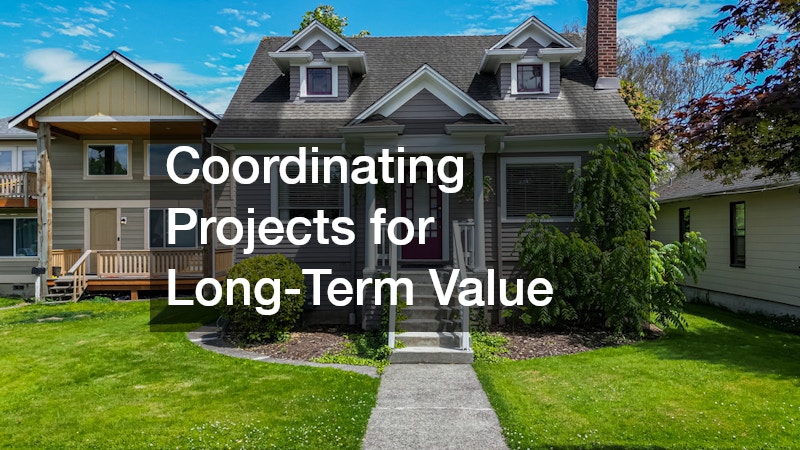
Exterior remodeling often involves multiple components that must work together to achieve lasting results. Landscaping, structural upgrades, roofing adjustments, and surface improvements all influence one another. Without careful coordination, projects can overlap inefficiently or require rework that increases expenses. A comprehensive approach ensures that improvements are sequenced logically and completed with long-term durability in mind. Planning exterior updates as part of a unified strategy maximizes both performance and visual harmony.
Engaging professional contracting services can streamline this coordination process and reduce the likelihood of costly oversights. Experienced contractors understand how drainage systems interact with landscaping, how roofing adjustments affect siding installation, and how foundation work influences surface grading. Their oversight helps ensure that each improvement supports the others rather than creating new vulnerabilities. Clear scheduling and defined project scopes also minimize disruptions to daily life. By coordinating exterior remodeling efforts through skilled management, homeowners protect their investment and create a cohesive, high-performing exterior that complements interior renovations.
Replacing Worn Structures for Safety
Exterior structures endure constant exposure to weather, moisture, and temperature fluctuations, which gradually weaken materials over time. Railings can loosen, support posts can rot, and boards can warp or splinter, creating safety hazards that are easy to overlook during an interior-focused remodel. Addressing these aging elements is critical not only for visual appeal but also for the well-being of everyone who uses the space. Remodeling provides the ideal opportunity to inspect and reinforce exterior structures so they align with updated design goals and modern safety standards.
Deck replacement becomes especially important when structural integrity is compromised or when outdated materials no longer meet performance expectations. Replacing a deteriorating deck allows homeowners to upgrade framing, improve load capacity, and incorporate safer railing systems. Modern materials and fastening techniques provide greater resistance to moisture damage and insect activity, extending the life of the structure. Coordinating this work during a larger remodel prevents the need to disturb newly updated interiors later. By prioritizing structural replacement where necessary, homeowners reduce liability risks and create outdoor areas that feel secure and inviting.
Strengthening Security and Energy Efficiency
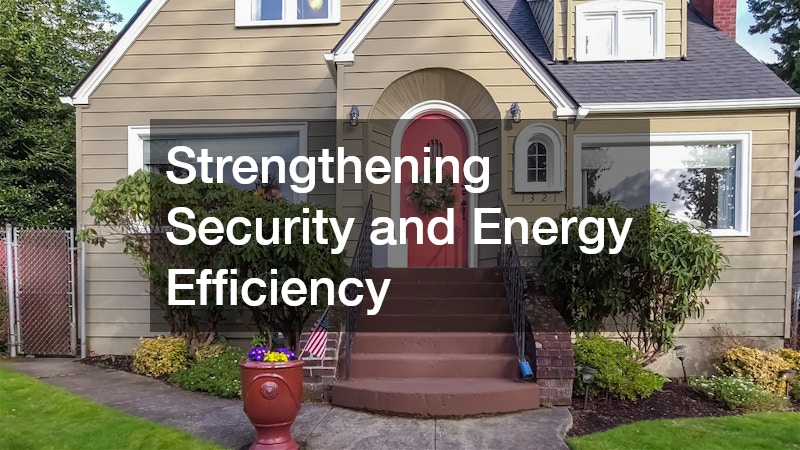
Exterior entry points serve as both welcoming features and critical protective barriers. Doors influence insulation, noise control, and overall security, making them essential components of a comprehensive remodeling strategy. Aging or poorly sealed doors can allow drafts, moisture, and pests to enter, undermining energy efficiency and indoor comfort. Replacing or upgrading these features enhances performance while contributing to a refreshed exterior aesthetic.
Installing modern exterior doors can significantly improve both thermal efficiency and structural security. Advanced materials and weatherstripping systems reduce air leakage, helping maintain consistent indoor temperatures and lower energy bills. Reinforced frames and high-quality locking mechanisms increase resistance to forced entry, adding peace of mind for homeowners. Updated designs also offer opportunities to introduce decorative glass panels or contemporary finishes that complement other exterior upgrades. By addressing entry points during remodeling, homeowners create a stronger barrier against environmental stressors while elevating the home’s overall appearance.
Protecting the Home From Weather Damage
The roof serves as the home’s primary shield against rain, snow, wind, and intense sunlight. When remodeling, overlooking roofing performance can undermine every other improvement being made. Water intrusion from compromised shingles or flashing can damage insulation, drywall, and framing, reversing progress made during interior renovations. Evaluating and reinforcing roofing systems ensures that new investments remain protected for years to come.
Consulting a trusted local roofing company during an exterior remodel provides valuable insight into the condition of existing materials and ventilation systems. Professionals can assess wear patterns, inspect underlayment integrity, and identify areas prone to leaks or wind damage. Upgrading roofing components at the right time prevents future disruptions and supports energy efficiency by improving attic airflow. Coordinating roofing improvements with siding or gutter updates also enhances overall system performance. By strengthening the home’s top layer of defense, homeowners safeguard both structural integrity and the long-term value of their remodeling efforts.
Increasing Insulation and Exterior Protection
Exterior insulation and protective cladding play a vital role in maintaining indoor comfort and preserving structural integrity. While interior renovations often focus on finishes and layouts, the outer shell of the home determines how effectively it resists temperature fluctuations, moisture intrusion, and environmental wear. Poor insulation or aging exterior materials can lead to higher energy bills, drafts, and long-term deterioration behind the walls. Remodeling presents an ideal opportunity to evaluate whether the home’s protective layers are performing as they should. Strengthening these components enhances durability and ensures that interior upgrades are not compromised by preventable exterior issues.
Upgrading siding during a remodel can dramatically improve both energy efficiency and visual cohesion. Modern siding materials are designed to provide enhanced insulation, improved moisture resistance, and greater durability against wind and impact. Proper installation includes weather barriers and sealing techniques that prevent water infiltration and reduce air leakage. These improvements help stabilize indoor temperatures and reduce strain on heating and cooling systems. Beyond performance benefits, updated siding refreshes the home’s appearance, aligning the exterior with newly renovated interior spaces. When insulation and protective cladding are addressed thoughtfully, homeowners create a strong defense against environmental stress while elevating curb appeal and long-term value.
Maintaining Healthy and Attractive Green Spaces
Landscaping is often viewed as a finishing touch, yet it plays a central role in the success of exterior remodeling. Healthy lawns and well-maintained plantings frame the home and enhance architectural features, creating a balanced and welcoming appearance. Neglecting green spaces during a remodel can result in uneven growth, soil compaction, or damage caused by construction equipment. Integrating lawn care planning into the remodeling process ensures that outdoor spaces remain vibrant and functional rather than becoming an afterthought.
Partnering with a knowledgeable lawn care contractor can help homeowners protect and revitalize green spaces throughout the renovation. Professionals can assess soil health, implement aeration techniques, and recommend fertilization schedules that restore vitality after construction disturbance. Strategic reseeding or turf repair can address worn patches and ensure consistent coverage across the yard. Proper lawn maintenance also supports effective drainage and reduces erosion around newly installed exterior features. By giving landscaping the same level of attention as structural upgrades, homeowners create a cohesive outdoor environment that enhances both beauty and performance.
Preserving Long-Term Property Value Through Preventative Maintenance
Exterior remodeling should not end once the final materials are installed and the last contractor leaves the property. Ongoing preventative maintenance is essential to preserving the value and performance of every upgrade. Weather exposure, seasonal temperature changes, and natural wear can gradually impact even the highest-quality materials. Without a maintenance plan, small issues such as minor cracks, clogged drainage paths, or loose fasteners can evolve into larger structural concerns. Viewing exterior improvements as part of a long-term care strategy ensures that the investment continues to deliver returns well beyond the initial remodel.
Establishing a consistent inspection and maintenance routine helps homeowners identify concerns before they escalate. Seasonal roof checks, siding inspections, surface resealing, and landscape upkeep all contribute to sustained durability and curb appeal. Preventative care also protects against unexpected repair costs that can undermine the financial benefits of remodeling. By committing to ongoing attention and proactive upkeep, homeowners reinforce the strength of their exterior improvements and extend the lifespan of every enhancement made. This final layer of responsibility ensures that remodeling efforts remain effective, attractive, and financially sound for years to come.
Exterior improvements are not merely cosmetic additions to a remodeling project. They form the protective barrier that shields the home from weather, regulate energy efficiency, and establish the first impression for visitors and potential buyers. Ignoring these elements can leave even the most stunning interior renovation vulnerable to damage and reduced value. By addressing landscaping, drainage, structural replacements, entry upgrades, and protective materials together, homeowners create a balanced transformation that strengthens the entire property.
A comprehensive exterior strategy ensures that each improvement supports the others rather than functioning in isolation. Coordinated planning reduces the risk of rework, prevents overlooked vulnerabilities, and enhances long-term durability. When homeowners view exterior remodeling as an integral component of the overall renovation, they protect their investment and elevate the home’s performance from the outside in. The result is a property that not only looks refreshed but also functions efficiently, withstands environmental challenges, and maintains its value for years to come.