
Most homes don’t fail all at once-they slowly drift out of tune. A sticky door, a drafty window, a stain that never quite comes out-these small annoyances accumulate, tempting homeowners to take drastic measures. It’s easy to assume that replacement is the quickest solution, but that approach is costly, wasteful, and often unnecessary. A repair-first mindset treats your home as a system, where early intervention, careful maintenance, and thoughtful upgrades can prolong life, save money, and reduce environmental impact. Repairing first also encourages mindfulness about material use, energy efficiency, and sustainability. In this guide, we will walk through practical, actionable strategies to keep your home running smoothly while delaying or avoiding full replacements.
This blog is designed for homeowners who want to make smarter decisions, not just quick fixes. You will learn how to identify true repair opportunities, differentiate cosmetic problems from structural ones, and make cost-effective choices without sacrificing comfort or aesthetics. Each section focuses on tangible steps you can take, backed by examples and strategies professionals use. By the end, you’ll see your home not as a series of disposable components, but as a long-term investment in which careful maintenance pays off repeatedly. This is about making your house resilient, functional, and more sustainable, all while reducing stress and unexpected expenses.
Start With Surfaces: Refreshing Walls Instead of Tearing Them Out
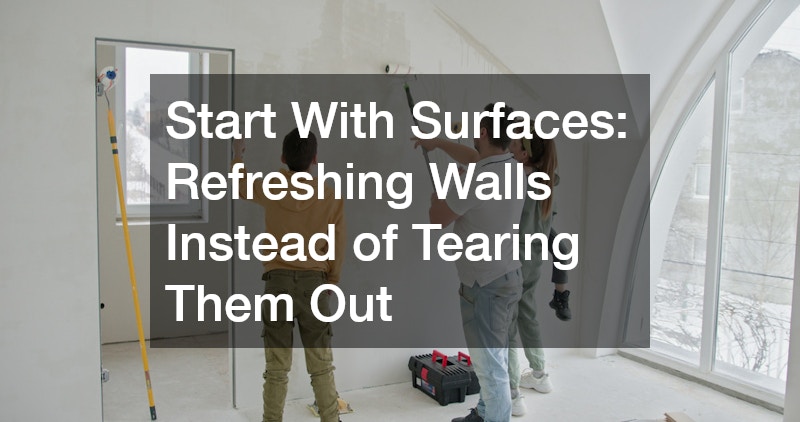
Cosmetic wear can make a room feel outdated and tired, even when the walls themselves are structurally sound. Scratched, scuffed, or faded paint can create the illusion that a room is ready for a complete overhaul. The truth is that proper preparation and a fresh coat of paint often provide a transformative update at a fraction of the cost of replacement. Before opening a can, wash the walls thoroughly to remove dirt and oils, scrape away any loose or peeling paint, fill cracks and nail holes, and sand smooth for an even finish. Skipping these steps may lead to uneven coverage, peeling, or the need for repeated touch-ups, which is both frustrating and wasteful. Proper preparation ensures your paint job is durable, looks professional, and can last for years.
When choosing a paint product, consulting Benjamin Moore paint dealers is an effective way to access expert guidance on finishes, colors, and appropriate materials for specific areas. Kitchen and bathroom walls benefit from moisture-resistant finishes, while living rooms and bedrooms often do better with washable or low-sheen paints that hide minor imperfections. Sampling colors on a small wall section and observing them under different lighting throughout the day helps avoid expensive mistakes. Taking this approach means you can revitalize the space without tearing out drywall or investing in unnecessary renovations. Even small projects like a well-executed wall repaint can dramatically refresh the aesthetic of a home and delay the need for costly remodeling. In short, treating your walls as repairable surfaces rather than disposable ones is both smart and sustainable.
Bring Old Floors Back Before You Consider New Ones
Floors are some of the most abused surfaces in a home, bearing the weight of foot traffic, furniture, pets, and spills for decades. It’s common to assume that scratches, dullness, or minor warping signal the end of a floor’s life. However, many floors can be restored through sanding, refinishing, or targeted board replacement. Restoration can remove scratches, refresh the finish, and restore the color and texture of wood or laminate floors, creating a surface that looks nearly new without full replacement. While this process may take a few days of careful work, it is far less disruptive than removing all the flooring, and it produces significantly less material waste. Restoration also preserves the character of original materials, which can be particularly valuable in older homes.
Hiring a local floor restoration specialist ensures that the work is done efficiently and that floors are not inadvertently damaged during the process. Professionals can assess whether the wood has sufficient thickness for sanding or if damaged areas need selective replacement. Many restoration projects also involve applying a protective topcoat designed to withstand pets, children, and high traffic areas, extending the floor’s life for many years. A restored floor often rivals the appearance of new materials, proving that careful repair can be both visually impressive and cost-effective. Beyond aesthetics, keeping your existing floor reduces landfill waste, conserves natural resources, and avoids the energy consumption associated with manufacturing new materials. Restoration, therefore, is a practical strategy to prolong the life of a home’s most heavily used surfaces.
Choose Durable Upgrades When Replacement Is Truly Necessary
Even with regular maintenance, some floors eventually reach the end of their functional lifespan. Water damage, structural settling, or decades of wear can make repairs impractical. When replacement is unavoidable, it’s important to choose materials that offer long-term durability and low-maintenance benefits. Selecting materials with repairable components or high resilience ensures that future problems won’t require another complete teardown. Evaluating the lifespan, installation requirements, and potential environmental impact of new materials helps homeowners make smarter, lower-waste choices.
For example, luxury vinyl plank flooring has become popular because it is highly durable, water-resistant, and easy to maintain. Individual planks can be replaced if damaged, avoiding the need to redo an entire floor. LVP can often be installed directly over existing subfloors, reducing demolition waste and minimizing labor. This type of flooring also performs well under heavy foot traffic and is suitable for pets and children, making it a practical long-term investment. Choosing replacement materials with longevity in mind ensures that when repair is no longer sufficient, your decision maximizes both financial and environmental value. The key principle is to replace thoughtfully, not reflexively.
Triage Heating and Cooling Problems Before They Become Emergencies
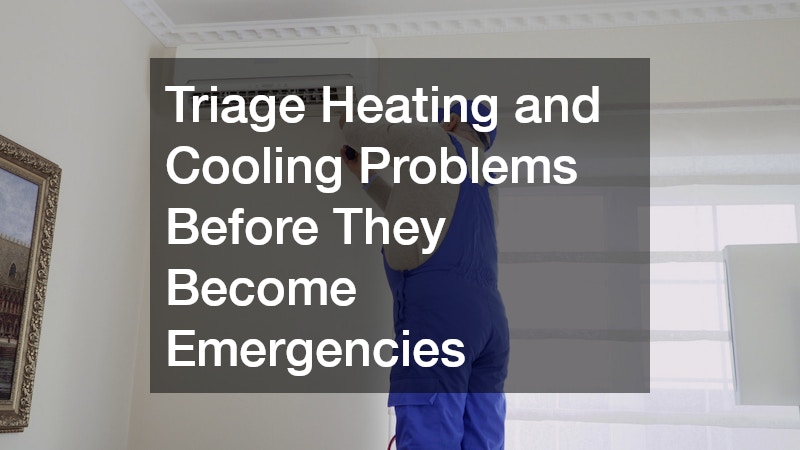
HVAC systems are notorious for failing at the worst possible moments, whether during the peak of summer or the coldest nights of winter. Early signs of trouble-unusual noises, short cycling, inconsistent temperatures are often overlooked, leading to costly emergency replacements. Addressing minor issues early, such as worn components, clogged filters, or thermostat malfunctions, can prevent more significant failures and extend the system’s life. Homeowners who take a proactive approach save money, maintain comfort, and avoid the disruption of emergency service calls. Regular inspections, cleaning, and minor repairs are far cheaper than full replacements.
Knowing that 24/7 HVAC repair is available can be reassuring, but relying on emergency services as the first line of defense is expensive and inefficient. Simple maintenance steps, like regularly replacing filters, keeping vents clear, and scheduling annual professional inspections, catch problems before they escalate. Preventive measures can also improve energy efficiency, reducing utility bills and lessening wear on the system. Many systems fail prematurely due to neglect rather than age, so taking small, consistent actions pays off significantly. Treating your HVAC system as a maintainable asset rather than a disposable appliance aligns with the repair-first philosophy. Over time, these small interventions accumulate into significant cost savings and a more comfortable home.
Fix the Hidden Energy Leaks You Can’t See
Many homeowners focus on the visible parts of their home while ignoring hidden energy leaks that can compromise comfort and increase utility costs. Air ducts, in particular, are a common source of inefficiency, with leaks, disconnected runs, or poorly sealed joints wasting energy and forcing HVAC systems to work harder. Even minor leaks can reduce system performance, increase heating or cooling bills, and shorten the equipment’s lifespan. Identifying these hidden issues before they become major problems is a cornerstone of a repair-first strategy. Addressing airflow issues also improves indoor air quality, which benefits both comfort and health.
An air duct repair and sealing service can assess your system, locate leaks, and repair or seal damaged ducts. The process may involve tightening connections, adding insulation, or reconfiguring airflow pathways. Homeowners often see immediate improvements in temperature balance, air quality, and energy efficiency. In addition, reducing strain on your HVAC system delays the need for costly replacement. By focusing on hidden infrastructure repairs, you can protect larger investments and avoid the premature failure of expensive equipment. In this way, a relatively small repair can have outsized benefits for both comfort and longevity.
Know When Keeping Old Equipment Costs More Than Replacing It
While repairs are often preferable to replacements, some systems eventually become too costly to maintain. Frequent breakdowns, rising repair bills, and declining efficiency are signs that ongoing fixes may no longer make financial sense. Continuing to repair outdated systems can lead to repeated disruptions, energy waste, and additional long-term expenses. Recognizing the tipping point between repair and replacement ensures you make decisions that are both cost-effective and practical. It’s about knowing when persistence becomes false economy.
Planning for AC replacement on your own schedule is smarter than waiting for an emergency. Evaluating the total cost of ownership-including energy consumption, repair frequency, and potential downtime-provides a clearer picture than purchase price alone. Upgrading at the right time also allows you to select modern systems that are more efficient, durable, and environmentally friendly. Thoughtful replacement reduces the likelihood of cascading failures and emergency fixes. In short, knowing when to replace equipment protects both your wallet and your home’s integrity while maintaining comfort and reliability.
Keep the Roof Working Instead of Waiting for a Disaster
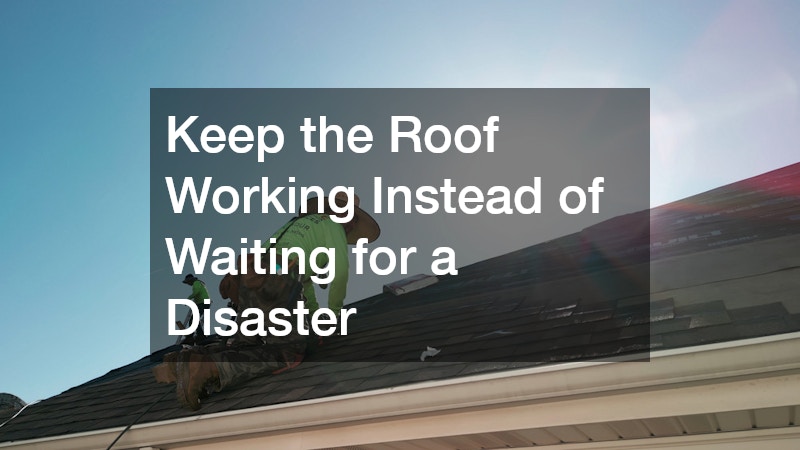
Roofs are often ignored until water begins to leak through ceilings or walls, but minor issues like missing shingles, damaged flashing, or small leaks can usually be repaired quickly and inexpensively if caught early. Ignoring these signs can lead to significant water damage, compromised insulation, and structural issues that require costly replacement. Routine inspection and minor repairs extend the life of your roof, prevent emergencies, and save a substantial amount of money over time. Roof maintenance is both a financial and environmental strategy, keeping massive amounts of material from entering landfills prematurely.
Working with a local roofing contractor ensures timely inspections and reliable repairs. These professionals can detect hidden damage after storms, identify areas of wear, and recommend solutions before small problems escalate. Preventative measures like sealing vulnerable spots, replacing worn shingles, and maintaining gutters protect the roof’s integrity. Even incremental maintenance-such as patching leaks or replacing flashing-can extend a roof’s lifespan by years. Proactive care also reduces the likelihood of emergency replacements, which are expensive, disruptive, and resource-intensive. Maintaining your roof is one of the clearest examples of how a repair-first approach pays dividends over time.
Stop Moisture at the First Sign, Not After the Mold Appears
Moisture is one of the most destructive forces in a home, particularly in basements, crawlspaces, and areas near plumbing. Small signs-damp smells, peeling paint, or white mineral deposits-should never be ignored. Early intervention often prevents widespread structural damage, mold growth, and ruined belongings. Waiting until water problems are severe usually requires major reconstruction and increases both cost and waste. Preventive solutions are almost always more efficient and less disruptive than full replacement.
Targeted basement waterproofing measures, such as exterior grading, crack sealing, interior drainage channels, and sump pumps, can stop water intrusion before it causes significant damage. Diagnosing the source of moisture rather than treating only the symptoms is key to long-term success. Consistent attention to moisture control protects not only the basement but also the structure above, preserving floors, walls, and stored items. Addressing water issues early is a classic repair-first strategy, demonstrating that small interventions can have outsized impacts on both cost and home longevity. Preventing mold and water damage also promotes healthier indoor environments, which benefits your family as well as your property value.
Repair and Reinforce Outdoor Structures Before Rebuilding Them
Decks, porches, and exterior stairs are subjected to the elements and heavy use, making them prone to rot, warping, and fastener failure. Visible damage often triggers thoughts of complete replacement, but most outdoor structures can be repaired selectively. Replacing posts, railings, or individual boards often restores structural integrity while preserving the majority of the original build. Protective coatings, improved drainage, and modern fasteners can prevent recurring issues. Repairing rather than rebuilding minimizes material waste and reduces labor costs while maintaining outdoor living spaces.
Consulting experienced deck builders can help identify which components are salvageable and which require replacement. Professionals also ensure that repairs comply with safety standards, local building codes, and best practices for longevity. Simple maintenance, like cleaning debris, resealing surfaces, and tightening connections, extends the lifespan of decks by years. Rebuilding from scratch should be the last option, undertaken only when core structural elements are compromised beyond repair. Repair-first strategies for outdoor structures demonstrate how small, strategic interventions can preserve function, appearance, and safety.
Maintain Paths and Driveways to Avoid Full Tear-Outs
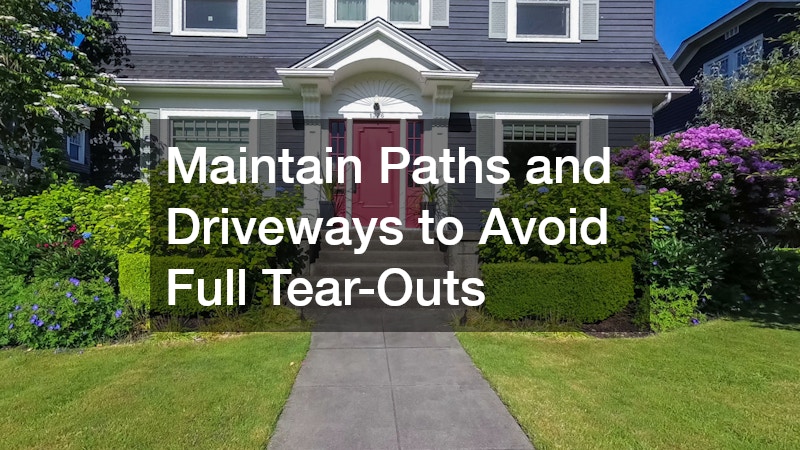
Cracks, depressions, and uneven surfaces in driveways or walkways can appear minor at first but often grow into serious hazards. Early attention prevents costly repairs and the need for full replacement. Cleaning, sealing, and patching localized damage maintains both appearance and structural integrity. Proper maintenance also ensures water drains correctly, reducing the risk of foundation issues or additional cracks. Addressing small imperfections early is far more economical and less wasteful than starting over with new paving.
A skilled paving contractor can assess whether resurfacing, crack-filling, or localized repairs will meet your needs rather than opting for complete demolition. Evaluating drainage, slope, and surface integrity simultaneously prevents recurring problems. Effective maintenance preserves material, reduces safety risks, and prevents the environmental costs of disposing of large amounts of concrete or asphalt. Keeping paths and driveways in top condition demonstrates that repair-first thinking works not only for indoor elements but for outdoor infrastructure as well. Early intervention is the key to extending the life of these high-use surfaces without unnecessary replacement.
A home that lasts is not one that’s constantly rebuilt-it’s one that’s consistently maintained. Repair-first thinking encourages homeowners to identify problems early, apply targeted interventions, and delay replacement until it’s genuinely necessary. This approach saves money, reduces material waste, and preserves the original character and functionality of the house. Sometimes replacement is unavoidable, but it should always come after careful consideration and strategic repair attempts.
By maintaining surfaces, mechanical systems, and structural elements, you extend their lifespan and protect larger investments. The cumulative benefits of repair-first strategies include fewer emergencies, lower costs, less waste, and a home that feels stable, resilient, and well-cared-for. Choosing to repair first is a small effort with large long-term rewards for both your wallet and the planet. Over time, these thoughtful decisions create a home that is not only more sustainable but also more comfortable and functional for everyone who lives there.