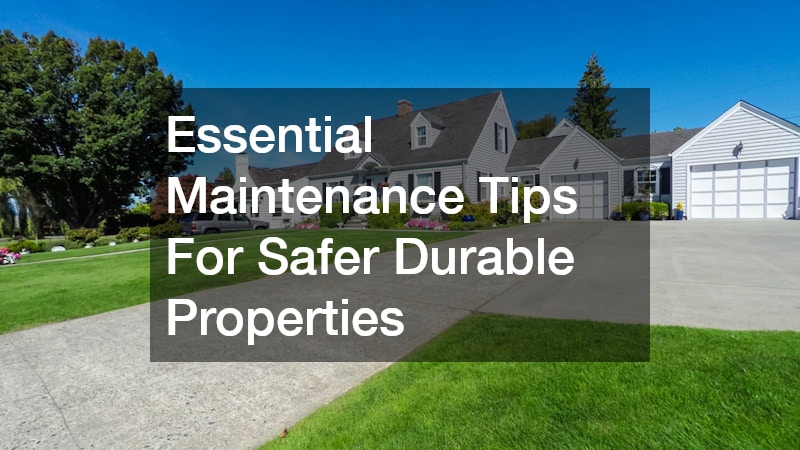
A well-maintained home is more than just visually appealing—it is safer, more efficient, and significantly more cost-effective over time. Many homeowners address issues only after they become noticeable problems, but by then, damage is often already underway. Small leaks, minor cracks, and early signs of system strain can quickly escalate into structural failures, expensive repairs, or even health hazards.
The key to avoiding these outcomes is consistent, proactive maintenance across all major components of a property. This includes indoor climate systems, roofing, exterior walls, insulation, pest prevention, and moisture control. When each of these areas is routinely inspected and properly cared for, the home remains resilient against seasonal stress, aging materials, and environmental exposure.
This guide breaks down essential maintenance strategies that help homeowners protect their investment, extend the life of their property systems, and maintain a safe, comfortable living environment year-round.
Keeping Indoor Climate Systems Running Efficiently
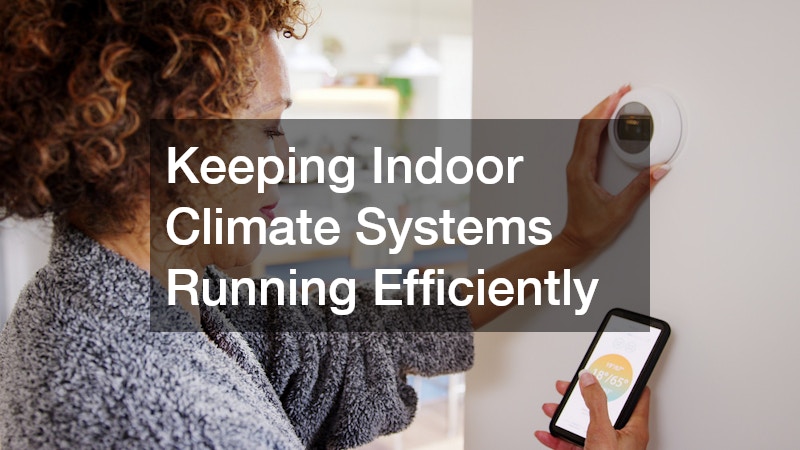
One of the most important aspects of home maintenance is ensuring that indoor climate systems operate efficiently year-round. Temperature control impacts not only comfort but also energy consumption and air quality.
Regular maintenance helps prevent sudden failures and extends system longevity. Homeowners should be proactive rather than reactive when it comes to system performance. Even minor inefficiencies, if ignored, can gradually place added strain on the entire system, eventually leading to reduced performance or unexpected failure during peak usage seasons. Over time, dust buildup, worn components, and inconsistent airflow can all contribute to unnecessary energy waste and uneven heating or cooling throughout the home. In addition, neglected systems often work harder than necessary, which accelerates wear on internal parts and increases the likelihood of mid-season breakdowns.
Key maintenance actions include:
- Changing air filters every 1–3 months, depending on usage
- Keeping vents and registers free from dust and obstruction
- Monitoring airflow consistency across rooms
- Checking for unusual noises or odors during operation
- Inspecting thermostat accuracy to ensure proper temperature regulation
- Ensuring outdoor units remain clear of debris, leaves, and vegetation buildup
- Verifying that return air pathways are not blocked by furniture or storage items
Scheduling professional HVAC services at least once a year ensures that internal components such as coils, motors, and ductwork are inspected and cleaned properly. Technicians can identify inefficiencies early, such as refrigerant imbalance or airflow restrictions, before they lead to costly repairs or system failure. They can also calibrate system controls, test electrical connections, and recommend small adjustments that improve overall performance without requiring major upgrades. This level of preventive care is especially important during seasonal transitions, when systems are under increased demand.
In some cases, homeowners may also need targeted AC repairs or heating repairs when specific components begin to fail, such as blower motors, igniters, or capacitors. Addressing these issues quickly helps prevent cascading damage to other system parts and maintains consistent indoor comfort throughout seasonal changes.
Additional benefits of regular servicing include:
- Lower monthly energy bills
- Improved indoor air quality
- Reduced strain on system components
- Extended equipment lifespan
- More consistent temperature control across all living spaces
- Fewer emergency breakdowns during peak weather conditions
By staying ahead of maintenance needs, homeowners can avoid disruptions during extreme weather seasons when heating and cooling systems are most critical.
Addressing Heating and Cooling Issues Before They Escalate
Heating and cooling systems often show subtle warning signs before failing completely. Recognizing these early indicators can prevent uncomfortable outages and expensive emergency repairs. In many cases, homeowners notice performance changes long before a full breakdown occurs, but those early signs are easy to dismiss until the system worsens. Ignoring them often leads to higher repair costs and longer periods without proper heating or cooling.
Common warning signs include uneven room temperatures, weak airflow, frequent cycling on and off, and rising utility bills. These symptoms often point to underlying mechanical or electrical issues that require attention. In some cases, they may also indicate airflow restrictions, failing sensors, or aging components that are beginning to lose efficiency.
Preventive maintenance steps:
- Inspect thermostat settings and responsiveness regularly
- Ensure outdoor units remain free of debris, leaves, or snow buildup
- Listen for unusual rattling or buzzing sounds
- Check for visible leaks or moisture near system components
- Verify that air filters are not clogged or overdue for replacement
- Ensure vents are open and unobstructed throughout the home
When issues arise, timely AC repairs can restore proper cooling performance and prevent further strain on the system. Similarly, heating repairs become essential when furnaces or heat pumps show inefficiency, delayed startup, or inconsistent heat output. Addressing these problems quickly helps avoid cascading damage, in which a failing component places stress on others, leading to more extensive system failures.
Routine servicing helps:
- Prevent sudden system breakdowns during peak seasons
- Maintain consistent indoor comfort levels
- Improve energy efficiency and reduce operating costs
- Avoid costly emergency repair situations
- Extend the overall lifespan of heating and cooling equipment
- Reduce strain on electrical and mechanical components
Addressing small problems early is always more cost-effective than replacing major system components later.
Maintaining Roof Stability Through Regular Inspections
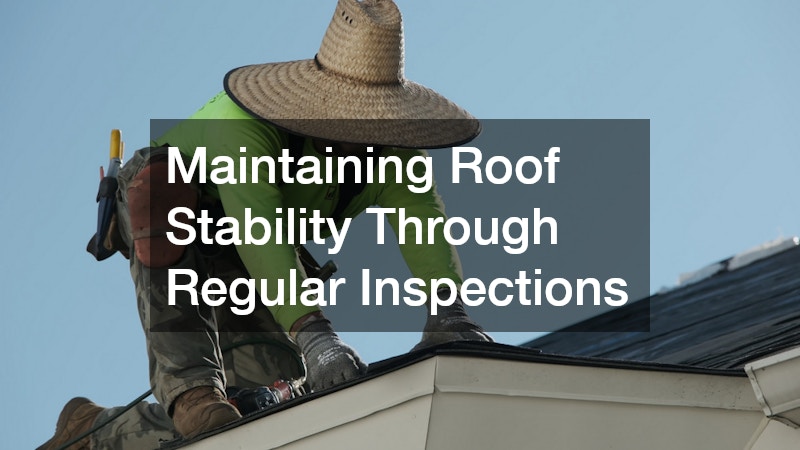
The roof is one of the most critical protective barriers in any home, shielding it from rain, wind, snow, and sun. Even minor roof damage can lead to water intrusion and structural deterioration if left unchecked.
Homeowners should perform visual inspections several times a year, especially after severe weather events. Key areas to examine include shingles, flashing, gutters, and roof edges.
Maintenance checklist:
- Look for missing, curling, or cracked shingles
- Check for sagging or uneven roof sections
- Inspect gutters for blockages or overflow
- Identify dark spots or water stains on ceilings indoors
Professional roofers play an essential role in identifying hidden damage that may not be visible from the ground. They can assess structural integrity, detect weak points, and recommend necessary repairs before issues worsen.
Benefits of routine roof inspections:
- Early detection of leaks and moisture intrusion
- Prevention of mold and insulation damage
- Extended roof lifespan
- Reduced risk of emergency repairs during storms
Consistent attention to roof condition ensures long-term durability and protects the entire home structure from water-related damage.
Planning for Long-Term Roofing Improvements
While repairs can address minor issues, every roof eventually reaches a point where replacement becomes the more practical solution. Understanding when this transition is necessary is key to avoiding ongoing damage and repeated repair costs.
Signs that a roof may need replacement include:
- Frequent leaks despite repeated repairs
- Extensive shingle deterioration or loss
- Visible sagging or structural weakness
- Roof age approaching or exceeding expected lifespan
When these issues appear, roof replacement becomes a strategic investment rather than a reactive expense. A new roof improves both protection and energy efficiency, especially when modern materials are used.
Key considerations during planning:
- Selecting durable, weather-resistant materials
- Evaluating ventilation and insulation compatibility
- Timing installation during mild weather seasons
- Budgeting for both materials and labor costs
Working with experienced professionals ensures proper installation and long-term performance. A well-executed replacement can significantly reduce maintenance needs for decades while enhancing overall property value.
Protecting Exterior Walls From Environmental Damage
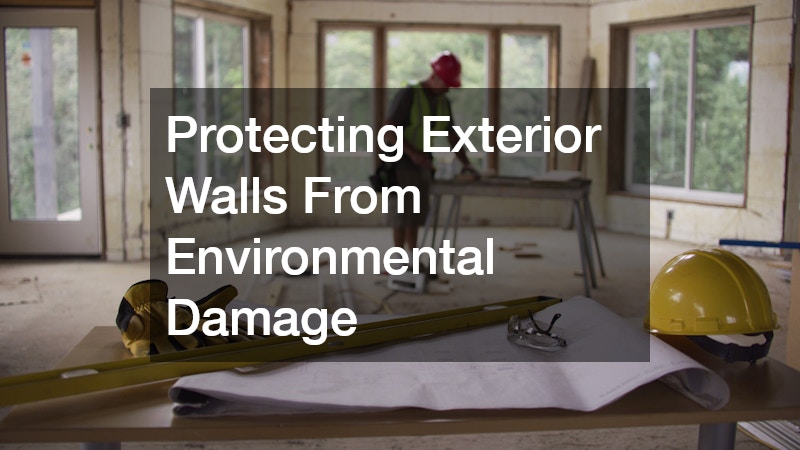
Exterior walls serve as the first line of defense against wind, moisture, and temperature fluctuations. Over time, exposure to the elements can cause deterioration that affects both appearance and structural integrity.
Homeowners should regularly inspect siding for cracks, warping, fading, or loose panels. These issues often allow moisture to penetrate underlying structures, leading to more serious damage if ignored.
Routine maintenance steps:
- Wash exterior surfaces annually to remove dirt and mildew
- Inspect joints and seams for gaps or separation
- Check for signs of pest entry around edges and openings
- Monitor the paint or protective coating condition
A qualified siding contractor can assess damage more accurately and recommend repairs or replacement when needed. Professional attention ensures that materials are properly sealed and aligned, preventing long-term moisture intrusion.
Benefits of maintaining exterior walls:
- Improved insulation and energy efficiency
- Enhanced curb appeal and property value
- Reduced risk of structural water damage
- Better resistance to weather extremes
Maintaining exterior walls in good condition is essential to the home’s overall health.
Strengthening Property Boundaries and Outdoor Structures
Fences play an important role in defining property boundaries, enhancing privacy, and improving security. However, they are constantly exposed to weather conditions that can weaken their structure over time.
Regular inspection helps identify early signs of damage, such as leaning posts, loose panels, rusted hardware, or wood rot.
Maintenance tips:
- Tighten or replace loose fasteners
- Treat wood surfaces to prevent decay
- Repaint or seal materials for weather resistance
- Clear vegetation growing near fence lines
When structural issues become more serious, fence contractors can provide professional repair or replacement solutions. Their expertise ensures that fences remain stable, properly aligned, and durable against environmental stress.
Well-maintained fencing offers:
- Increased property security
- Improved aesthetic appeal
- Clear boundary definition
- Longer material lifespan
Consistent care ensures that outdoor structures remain functional and visually appealing for years.
Identifying Hidden Moisture and Indoor Risks
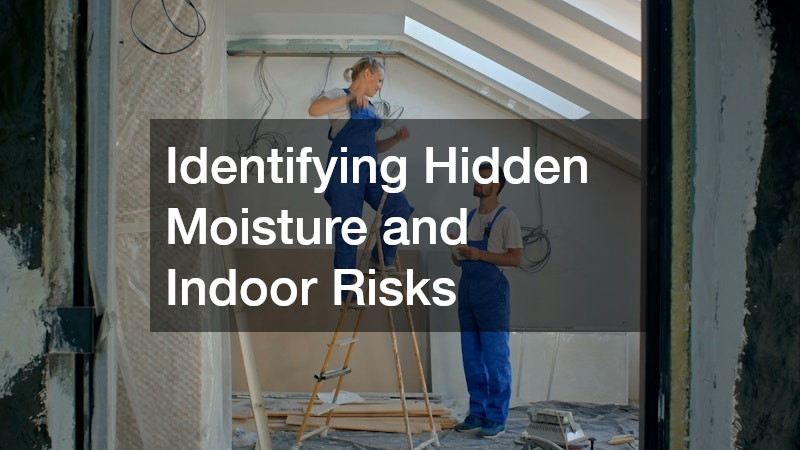
Moisture buildup inside a home can lead to serious problems, including structural damage and unhealthy living conditions. It often develops silently in areas such as basements, attics, and behind walls.
Early signs include musty odors, surface discoloration, peeling paint, or unexplained allergy symptoms among occupants.
Preventive measures:
- Ensure proper ventilation in bathrooms and kitchens
- Address plumbing leaks immediately
- Use dehumidifiers in high-moisture areas
- Inspect basements and crawl spaces regularly
A professional mold inspection is crucial when moisture issues are suspected but not visible. Experts can detect hidden growth and identify the source of moisture intrusion.
Addressing moisture problems early helps:
- Protect indoor air quality
- Prevent structural decay
- Reduce health risks associated with mold exposure
- Avoid costly remediation efforts later
Moisture control is a key part of maintaining a safe and healthy home environment.
Improving Energy Efficiency Through Better Insulation
Insulation plays a critical role in maintaining indoor comfort and reducing energy consumption. Poor insulation allows heat to escape in winter and enter in summer, increasing strain on climate systems.
Signs of inadequate insulation include uneven temperatures, drafty rooms, and high energy bills.
Improvement strategies:
- Seal gaps around windows and doors
- Inspect attic and crawl space insulation levels
- Reduce air leakage in ductwork
- Upgrade outdated insulation materials
Spray foam insulation contractors offer advanced solutions that provide superior air sealing and thermal resistance compared to traditional materials. This helps maintain consistent indoor temperatures while reducing energy waste.
Benefits include:
- Lower heating and cooling costs
- Improved indoor comfort
- Reduced strain on HVAC systems
- Better moisture resistance
Investing in proper insulation is one of the most effective long-term efficiency improvements for any home.
Preventing Infestations Through Routine Home Care
Pests can cause significant damage to a home if they are not controlled early. They often enter through small cracks, gaps, or poorly sealed areas around the foundation and exterior.
Common warning signs include droppings, gnawed materials, scratching noises, or visible nesting areas.
Preventive actions:
- Seal entry points around doors, windows, and foundations
- Store food in airtight containers
- Keep outdoor areas free of standing water
- Maintain clean and clutter-free storage spaces
Professional pest control services are essential when infestations are detected or suspected. Experts can identify pest types, eliminate colonies, and implement long-term prevention strategies.
Proper pest management helps:
- Protect structural materials from damage
- Reduce health risks from contamination
- Maintain cleanliness and hygiene
- Prevent recurring infestations
Consistent prevention is far more effective than reactive treatment.
Building a Comprehensive Maintenance Routine
A well-organized maintenance schedule ensures that no part of the home is overlooked. By dividing tasks into seasonal and annual categories, homeowners can stay ahead of potential issues and reduce long-term repair costs.
Effective scheduling includes:
- Seasonal inspections of major systems
- Annual professional evaluations
- Monthly basic upkeep tasks
- Immediate attention to visible issues
Recommended practices:
- Keep a maintenance log for tracking repairs and inspections
- Prioritize high-risk systems such as roofing and climate control
- Budget annually for preventive maintenance
- Combine professional services with routine DIY checks
Consistency is the most important factor in maintaining a safe and durable property. Homes that receive regular attention not only last longer but also provide greater comfort, safety, and financial value over time.
Maintaining a home is an ongoing responsibility that directly impacts safety, comfort, and long-term value. By staying proactive and addressing issues early, homeowners can prevent small problems from developing into major repairs.
A well-structured maintenance routine ensures that all critical systems—from structure to climate control—remain in optimal condition throughout the year. With consistent care and timely professional support when needed, any property can remain strong, efficient, and reliable for decades.