
Eco-friendly home repairs are no longer just about reducing environmental impact. For many homeowners, they are a practical way to lower monthly bills, avoid costly emergencies, and extend the life of major home systems. When repairs are approached with sustainability in mind, they often focus on efficiency, durability, and prevention rather than constant replacement.
This guide explores realistic, cost-conscious repair strategies that homeowners can apply over time. Instead of expensive renovations, these ideas focus on targeted improvements, routine maintenance, and smarter material choices that protect both your home and your budget.
Improve Cooling Efficiency Without Replacing the Entire System
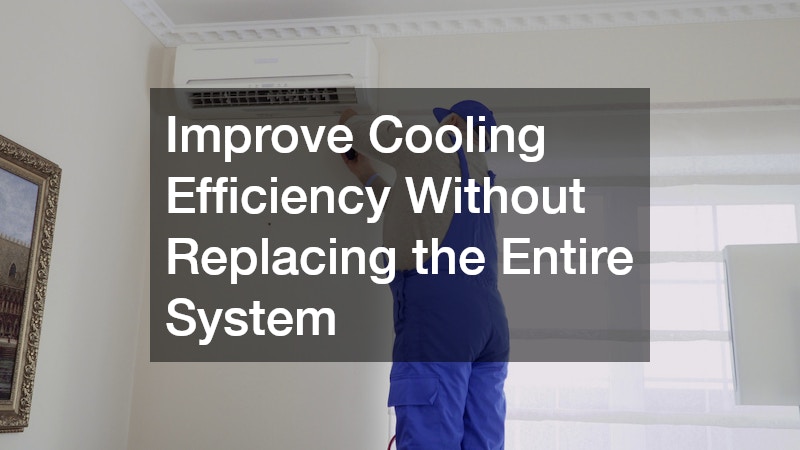
Cooling costs can quietly become one of the most expensive household expenses, especially during warmer months when systems run for long hours each day. Improving performance does not always require replacing equipment, and in many homes, inefficiency comes from small, fixable issues rather than aging machinery. When air conditioning systems are forced to work harder than necessary, energy use rises quickly, leading to higher utility bills and faster wear on components. By focusing on efficiency first, homeowners can often see noticeable savings without the upfront cost of a major upgrade.
Start by addressing airflow and insulation issues throughout the home, since these directly affect how hard the system has to work. Sealing gaps around windows, doors, and attic access points prevents cooled air from escaping into unused spaces, which reduces strain and helps maintain consistent indoor temperatures. Regularly cleaning or replacing filters also improves airflow and efficiency, allowing the system to circulate air more easily and reach target temperatures faster. Additional low-cost steps, such as keeping vents unobstructed by furniture and ensuring ductwork is properly sealed, further improve performance and reduce unnecessary energy loss.
Additional cost-saving steps include:
-
Installing a programmable thermostat to reduce cooling during unoccupied hours
-
Cleaning outdoor condenser units to maintain proper heat exchange
-
Using ceiling fans to improve air circulation and reduce cooling demand
These low-cost improvements help reduce energy consumption while extending the life of cooling equipment.
Work With Contractors Who Prioritize Sustainable Materials
Not all contractors approach projects with long-term value in mind, which is why choosing roofing companies that prioritize sustainability can make a meaningful difference in both cost and performance. Contractors who focus on durable, eco-conscious solutions tend to look beyond quick fixes and instead recommend options that reduce future repairs and extend the overall lifespan of the roof. This long-term mindset helps homeowners avoid repeated labor costs and unnecessary material replacement while maintaining consistent protection for the home.
Eco-conscious contractors often recommend roofing materials designed to withstand weather extremes and resist premature wear. Reflective roofing options, for example, can reduce heat absorption and help stabilize indoor temperatures, leading to lower cooling costs during hot months. Recycled and responsibly sourced materials also reduce environmental impact without sacrificing performance, offering strength, longevity, and improved efficiency while supporting sustainable building practices.
Homeowners can save money by:
-
Asking about recycled or energy-efficient roofing materials
-
Choosing repair-first approaches instead of full replacements
-
Ensuring proper ventilation to prevent premature roof deterioration
Selecting contractors who emphasize longevity over quick fixes leads to fewer repairs and better long-term savings.
Schedule Preventative System Tune-Ups to Avoid Expensive Breakdowns
Preventative maintenance is one of the most effective ways to reduce home repair costs, especially when it comes to complex systems that operate year-round. Regular inspections through a professional HVAC Service allow trained technicians to spot early warning signs such as worn components, minor leaks, or airflow issues before they escalate into expensive failures. Catching these problems early helps homeowners avoid sudden system shutdowns during extreme weather, when repair costs and inconvenience are often highest.
Routine tune-ups improve efficiency by ensuring components are clean, calibrated, and functioning as intended. This reduces overall energy use, keeps the system running smoothly, and minimizes stress on critical parts that can wear out prematurely. Preventative care also extends the lifespan of the system, delaying costly replacements and reducing the likelihood of emergency repairs that tend to be more disruptive and expensive than scheduled maintenance.
Key benefits of regular maintenance include:
-
Lower monthly utility bills
-
Fewer unexpected repair costs
-
Improved indoor air quality
A consistent maintenance schedule is one of the most budget-friendly strategies for homeowners focused on sustainability.
Stop Small Leaks Before They Become Major Structural Problems
Water intrusion is one of the most expensive and destructive issues a home can face because it often spreads quietly before visible damage appears. Addressing moisture problems early through responsible water damage restoration practices helps prevent mold growth, wood rot, and weakened structural components that can compromise the safety of the home. Left untreated, even small leaks can lead to extensive repairs, higher insurance claims, and ongoing indoor air quality issues that affect long-term health and comfort.
Eco-friendly restoration focuses on targeted drying, precise moisture detection, and material preservation rather than unnecessary demolition. By using advanced tools to locate hidden moisture, professionals can dry affected areas efficiently and limit the scope of repairs. Identifying leaks early allows homeowners to fix only the damaged sections instead of replacing entire walls or floors, reducing material waste, lowering labor costs, and preserving as much of the original structure as possible.
Warning signs to watch for include:
-
Musty odors or persistent humidity
-
Discoloration on walls or ceilings
-
Warping or soft spots in flooring
Prompt attention to moisture issues protects your home while minimizing waste and repair costs.
Use Strategic Repairs Instead of Full Roof Replacements
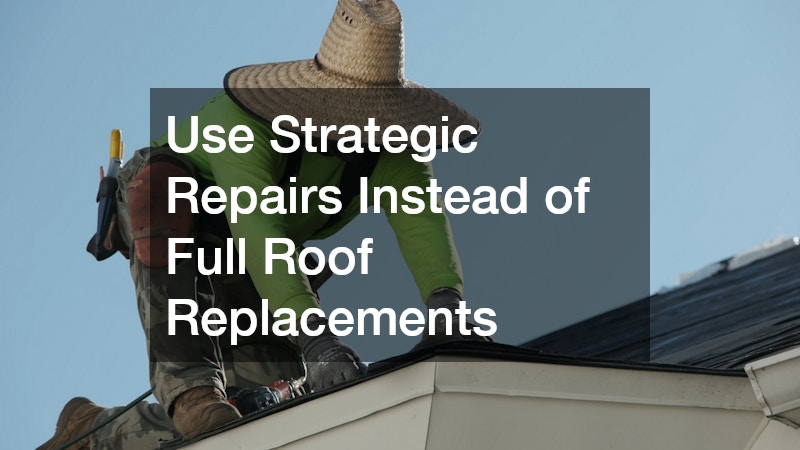
Roof issues do not always require a full replacement, and assuming so can lead to unnecessary expenses. Targeted roof repair allows homeowners to focus on specific problem areas while preserving the rest of the structure that is still performing well. Addressing issues early, such as minor leaks or isolated damage, helps maintain the roof’s protective function without the cost, disruption, or material waste associated with a complete overhaul.
Localized repairs reduce material waste and lower labor costs by limiting work to the areas that truly need attention. Fixing damaged shingles, sealing flashing around vents and chimneys, and reinforcing vulnerable sections can add years to a roof’s lifespan when done correctly. Regular inspections also help homeowners catch small issues before they escalate into widespread damage, making ongoing maintenance a far more affordable and sustainable strategy than reactive replacement.
Cost-saving repair strategies include:
-
Replacing damaged sections instead of entire slopes
-
Sealing penetrations around vents and chimneys
-
Addressing drainage issues that cause water pooling
This approach supports sustainability by maximizing the use of existing materials while protecting the home from further damage.
Choose Long-Lasting Paving and Sealant Solutions for Outdoor Areas
Outdoor surfaces are often overlooked when discussing eco-friendly repairs, yet they play a significant role in water management and long-term maintenance costs. Working with a knowledgeable asphalt company helps homeowners select paving solutions that are designed to last while supporting sustainable construction practices. Well-installed and properly maintained surfaces improve drainage, reduce pooling near foundations, and minimize the risk of erosion that can lead to costly structural problems over time.
Recycled asphalt reduces the need for new raw materials while still delivering the strength and durability required for driveways and walkways. When combined with proper grading and routine sealing, these surfaces are better protected against cracking, moisture intrusion, and freeze-thaw damage. These preventative measures extend the lifespan of paved areas, reduce the frequency of repairs, and lower long-term maintenance expenses while keeping outdoor spaces functional and environmentally responsible.
Smart outdoor maintenance tips include:
-
Regular sealing to prevent water penetration
-
Ensuring proper drainage away from foundations
-
Repairing small cracks before they spread
Sustainable paving solutions reduce replacement frequency and help manage stormwater responsibly.
Upgrade Food Prep Surfaces With Durability and Sustainability in Mind
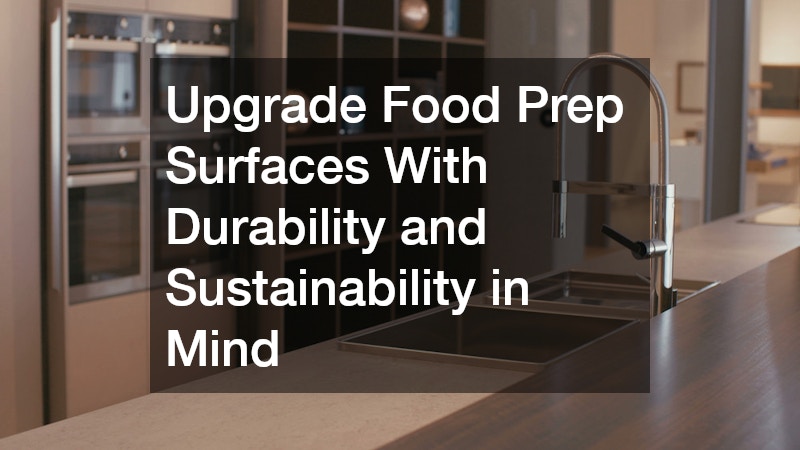
Kitchen upgrades do not need to involve full remodels to be effective, and focusing on high-impact surfaces can deliver meaningful improvements without excessive cost. Choosing a durable kitchen countertop material allows homeowners to enhance both function and appearance while avoiding the disruption of a complete renovation. Long-lasting surfaces hold up better to everyday wear, reducing the likelihood of chips, cracks, or stains that often lead to premature replacement.
Sustainable countertop options are designed to withstand daily use while resisting heat, stains, and moisture commonly found in busy kitchens. Materials with longer lifespans reduce the need for frequent replacement and minimize waste sent to landfills over time. In addition to durability, many eco-conscious options require less intensive maintenance, which lowers ongoing costs and reduces the need for harsh cleaning products, further supporting long-term savings and sustainability.
When selecting a surface, consider:
-
Resistance to wear and damage
-
Ease of maintenance without harsh chemicals
-
Longevity compared to lower-cost alternatives
A well-chosen surface offers both practical durability and environmental benefits.
Reduce Energy Waste Through Targeted Electrical Improvements
Electrical inefficiencies can quietly drive up energy costs, especially in older homes where systems were not designed for modern energy demands. Strategic upgrades through professional electrical services allow homeowners to address problem areas without the expense or disruption of major renovations. Identifying overloaded circuits, outdated panels, or inefficient fixtures helps reduce wasted electricity while improving overall system reliability.
Energy-saving improvements include upgrading outdated wiring, installing efficient lighting, and adding smart controls that reduce unnecessary power use. Replacing older fixtures with modern alternatives lowers energy consumption immediately, while timers, dimmers, and automated shutoffs prevent electricity from being used when it is not needed. These targeted changes improve safety, reduce fire risk, and steadily lower monthly utility bills, making them a practical investment for cost-conscious homeowners.
Homeowners can focus on:
-
Replacing inefficient fixtures with LED alternatives
-
Installing timers or motion sensors in low-use areas
-
Addressing outdated wiring that causes energy loss
Targeted electrical upgrades offer a high return on investment and contribute to a more efficient home.
Refresh Storage Spaces Instead of Replacing Entire Kitchens
Kitchen storage upgrades do not require complete replacement, and many existing cabinets can be refreshed with far less expense than a full teardown. Working with a cabinet company allows homeowners to evaluate what can be repaired or updated rather than discarded, which significantly reduces both costs and material waste. This approach is especially effective when cabinet boxes are still structurally sound but show signs of cosmetic wear or outdated finishes.
Refacing cabinets preserves the original structure while updating doors, finishes, and hardware to create a modern look. Repairs to hinges, drawers, and shelving also extend cabinet life by improving functionality and reducing daily wear. These targeted updates provide noticeable improvements in appearance and usability without the high price tag or environmental impact associated with full cabinet replacement.
Budget-friendly cabinet improvements include:
-
Refinishing instead of replacing boxes
-
Updating interiors for better organization
-
Repairing damaged components rather than discarding them
This approach delivers visual and functional upgrades while supporting sustainability goals.
Seal Drafts and Improve Security With Small Hardware Upgrades
Minor upgrades can have an outsized impact on energy efficiency, often delivering noticeable results for a relatively small investment. Replacing worn door hardware improves insulation by ensuring doors seal properly, which reduces drafts, air leakage, and unwanted temperature fluctuations. Even small gaps around poorly fitted doors can force heating and cooling systems to work harder, driving up energy bills. By focusing on these details, homeowners can enhance comfort while lowering long-term utility costs.
Modern hardware options often include improved sealing mechanisms, weatherstripping, and durable materials that increase both energy efficiency and security. Addressing loose handles, worn latches, and misaligned doors not only prevents air loss but also reduces strain on frames and prevents premature wear. Small adjustments like tightening hinges, replacing locks, or installing door sweeps can make a noticeable difference in comfort, safety, and system efficiency, making these upgrades a cost-effective part of any eco-conscious home repair plan.
Simple improvements include:
-
Adjusting door alignment to improve sealing
-
Replacing worn components that allow drafts
-
Choosing durable materials that last longer
These small changes reduce energy waste while enhancing everyday usability.
Eco-friendly home repairs focus on smarter choices rather than bigger projects. By prioritizing efficiency, durability, and preventative maintenance, homeowners can lower costs while protecting their property and the environment. Small, strategic improvements add up over time, creating a home that is more comfortable, resilient, and affordable to maintain for years to come.