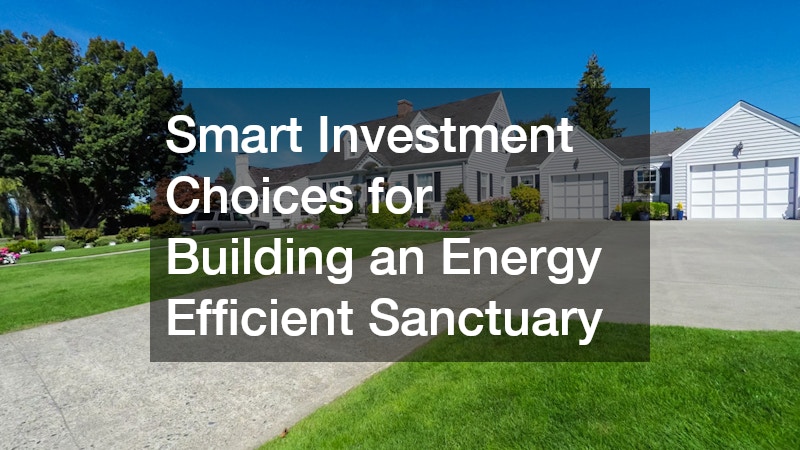
Creating an energy-efficient home is about more than purchasing the newest appliances or installing a smart thermostat. A truly efficient home works as a connected system, with the roof, insulation, heating and cooling equipment, plumbing, water heater, windows, landscaping, and exterior surfaces all contributing to overall performance. When these components work together, homeowners can enjoy more consistent indoor temperatures, lower utility costs, fewer unexpected repairs, and greater long-term comfort.
The smartest approach is to treat efficiency improvements as investments rather than isolated expenses. Some projects deliver immediate savings, while others protect the property from damage or reduce maintenance costs over many years. Before beginning a renovation, homeowners should evaluate the condition of existing systems, identify the largest sources of energy waste, and prioritize improvements according to cost, performance, durability, and expected lifespan.
Start With a Whole-Home Energy Assessment

Before spending thousands of dollars on upgrades, determine where the home is actually losing energy. A professional energy assessment can provide a useful roadmap by identifying air leaks, inadequate insulation, inefficient equipment, moisture issues, and other conditions that affect performance. This information helps homeowners avoid investing in an expensive replacement when a smaller improvement could solve the underlying problem.
For example, replacing an aging air conditioner may seem like the obvious solution to high summer electricity bills. However, if poorly insulated attic spaces allow conditioned air to escape, a new system may still have to work harder than necessary. Similarly, replacing a water heater will not solve excessive hot-water consumption caused by leaking fixtures.
Homeowners can also review utility bills from the previous year to identify patterns. Look for unusually high electricity consumption during summer or winter, sudden increases in water usage, or changes that correspond with equipment problems.
A useful priority system can include:
- Urgent repairs: Address leaks, structural problems, electrical hazards, and failing equipment first.
- High-impact upgrades: Prioritize improvements that can significantly reduce energy consumption.
- Preventive improvements: Invest in projects that protect expensive systems from premature deterioration.
- Comfort upgrades: Consider improvements that make temperatures, humidity, airflow, or water availability more consistent.
- Long-term projects: Plan larger renovations according to budget and expected return rather than completing everything simultaneously.
Working with professionals who provide HVAC services can also help homeowners understand whether existing heating and cooling equipment is operating efficiently or whether another component of the home is creating unnecessary demand.
Protect the Home From Heat Gain and Heat Loss
The building envelope has a major influence on energy efficiency. Your home is constantly exchanging heat with the outdoors, and weaknesses in the roof, attic, walls, windows, doors, and foundation can increase the amount of energy required to maintain comfortable indoor temperatures.
The roof deserves particular attention because it receives significant exposure to sun, rain, wind, snow, and changing temperatures. A deteriorating roof can allow moisture into the structure while inadequate attic ventilation and insulation can contribute to unwanted heat transfer.
Exterior walls can also influence how efficiently a home maintains indoor temperatures. Damaged or poorly installed siding may allow moisture infiltration and contribute to air leakage, particularly around seams, corners, windows, and doors. Homeowners considering an exterior renovation can consult experienced siding contractors to evaluate the condition of existing materials and determine whether repairs, improved insulation, or replacement would provide the best long-term value.
Before replacing an entire roof, have its condition evaluated. Some roofs may need localized repairs rather than complete replacement, while others may be approaching the end of their useful life. During an evaluation, consider:
- Missing, cracked, or damaged roofing materials
- Signs of water intrusion
- Deteriorated flashing around roof penetrations
- Poor attic ventilation
- Inadequate insulation
- Moisture or mold concerns
- Excessive heat buildup in the attic
A qualified roofing service can help determine whether repairs, ventilation improvements, insulation work, or replacement makes the most financial sense.
If replacement is necessary, homeowners should consider durability and climate suitability alongside appearance. The least expensive material may not provide the best lifecycle value. A longer-lasting roofing system may cost more initially but could reduce maintenance and replacement expenses over the years.
Make Heating and Cooling More Efficient
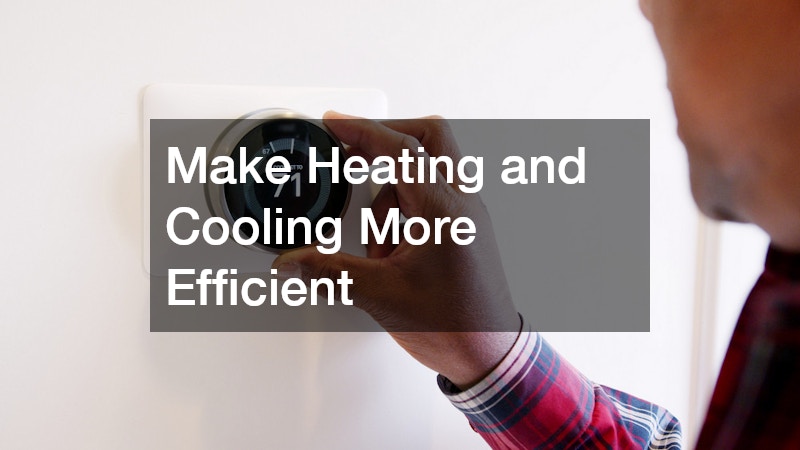
Heating and cooling systems often represent a substantial portion of household energy consumption, which makes climate control an important area for investment. However, purchasing a high-efficiency system does not automatically guarantee maximum savings. The equipment must be correctly sized, installed, maintained, and supported by an efficient building envelope.
An oversized air conditioner, for example, may cool a house quickly but cycle on and off too frequently. This can affect comfort and humidity control while potentially increasing wear. An undersized system may run for long periods without adequately maintaining the desired temperature.
When evaluating equipment, homeowners should consider:
- Age and current condition of the system
- Efficiency ratings
- Equipment size relative to the home
- Ductwork condition
- Airflow problems
- Thermostat performance
- Filter condition
- Maintenance history
- Expected remaining service life
Routine maintenance is equally important. Dirty filters restrict airflow, while neglected coils and other components can reduce performance. Strange noises, inconsistent temperatures, weak airflow, unusual odors, and unexplained increases in energy use can indicate problems that deserve attention.
Timely ac repair can also prevent a relatively minor mechanical issue from becoming a more expensive failure. If an older system requires increasingly frequent repairs, however, homeowners should compare the projected repair costs with the benefits of replacing the equipment with a modern, efficient system.
Reduce Water and Energy Waste at the Same Time
Water conservation and energy efficiency are closely connected. Every gallon of hot water requires energy to heat, transport, and maintain at the desired temperature. Reducing unnecessary water consumption can therefore lower both water and energy expenses.
Start with the fixtures used most frequently. Low-flow showerheads, efficient faucets, and high-efficiency toilets can reduce consumption without necessarily sacrificing convenience. Homeowners do not need to replace every fixture at once. A phased approach can make upgrades more affordable while targeting the areas with the greatest potential savings.
Leaks deserve immediate attention because even seemingly minor problems can waste significant amounts of water over time. A running toilet, dripping faucet, leaking supply line, or concealed pipe leak may also create moisture damage.
Homeowners should watch for warning signs such as:
- Unexpected increases in water bills
- Damp areas beneath sinks
- Water stains on ceilings or walls
- Musty odors
- Low or inconsistent water pressure
- Toilets that continue running after flushing
- Unexplained sounds from pipes
- Areas of unusually lush vegetation near underground plumbing
Professional plumbing services can help identify and correct problems that are difficult to locate without specialized equipment. Residential plumbers can also evaluate aging pipes, fixtures, shutoff valves, and connections and recommend repairs or upgrades based on the home’s condition.
Invest in a Smarter Water Heating Strategy

Water heating can be another significant source of household energy consumption, making the water heater an important component of an efficiency plan. The best system depends on household size, hot-water demand, available space, energy source, installation requirements, and budget.
Traditional tank systems store and continuously heat a supply of water. Tankless systems heat water as it is needed, while other high-efficiency technologies may provide different combinations of operating costs and installation requirements. Rather than choosing a system based solely on its purchase price, homeowners should consider total ownership costs.
Ask questions such as:
- How much hot water does the household use each day?
- How many people regularly use hot water simultaneously?
- How old is the existing system?
- What energy source does the home use?
- How much space is available?
- What maintenance does the system require?
- What is the expected service life?
- How much could operating costs change?
Water heater installation should be approached as a long-term investment. Correct sizing and professional installation can affect performance, reliability, and efficiency. For existing systems, homeowners can also consider measures such as insulating accessible hot-water pipes, maintaining appropriate temperature settings, and scheduling recommended maintenance.
If a water heater is repeatedly leaking, producing inadequate hot water, making unusual noises, or requiring frequent repairs, replacement may be more economical than continuing to invest in an aging unit.
Use Trees and Landscaping to Lower Cooling Costs
Energy efficiency does not stop at the exterior walls of the house. Landscaping can influence how much sunlight reaches windows, walls, and roofs and can therefore affect indoor temperatures.
Strategically placed trees can provide shade during hot months, potentially reducing direct solar heat entering the home. Deciduous trees may provide summer shade while allowing more sunlight through during colder seasons, depending on the climate and placement.
However, landscaping decisions should be made with the mature size and characteristics of each plant in mind. A tree that looks appropriately sized when planted can eventually interfere with roofs, power lines, foundations, driveways, or drainage systems.
When planning energy-conscious landscaping, consider:
- Direction of the sun throughout the day
- Mature tree height and canopy width
- Distance from the home’s foundation
- Root growth patterns
- Local climate conditions
- Soil and drainage characteristics
- Seasonal maintenance requirements
- Proximity to utility lines
Existing trees should also be evaluated for health and structural stability. Dead, diseased, or dangerously positioned trees can become expensive liabilities during severe weather. A professional tree removal service can address hazardous trees before they damage roofing, vehicles, electrical infrastructure, or other property.
Improve Driveways and Outdoor Surfaces With Long-Term Efficiency in Mind
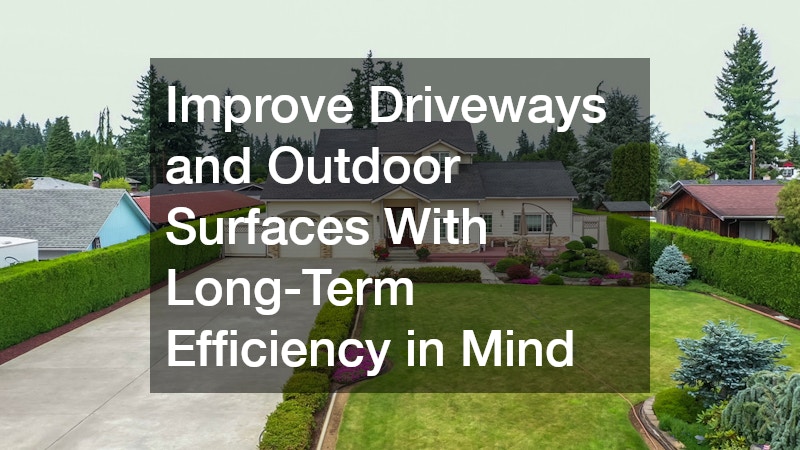
Outdoor improvements may not reduce energy consumption as directly as insulation or efficient HVAC equipment, but they can still contribute to a home’s long-term performance and maintenance costs. Driveways, walkways, patios, and other paved areas should be designed to handle local weather conditions and direct water appropriately.
Poor drainage can create standing water near the foundation, accelerate surface deterioration, and contribute to erosion. Before installing or replacing pavement, homeowners should consider how rainwater will move across the property.
Important planning factors include:
- Local rainfall patterns
- Freeze-thaw conditions
- Soil stability
- Surface slope
- Drainage requirements
- Vehicle traffic
- Expected maintenance
- Material lifespan
A reputable paving company can evaluate the site and recommend an appropriate approach. Homeowners should also think beyond the initial installation price. A durable surface that requires fewer repairs may provide better value than a lower-cost option that deteriorates quickly.
Treat the Driveway as Part of the Property’s Maintenance Plan
Once exterior surfaces are installed, regular maintenance can help preserve their useful life. Cracks, potholes, drainage problems, and surface deterioration should not automatically be ignored simply because they are cosmetic.
Small cracks can allow moisture to penetrate the surface. In climates where temperatures fluctuate significantly, water that enters cracks can freeze and expand, potentially accelerating deterioration. Addressing problems early may reduce the scope and cost of future repairs.
When comparing repair or resurfacing options, homeowners should consider lifecycle costs rather than focusing exclusively on the lowest upfront price. Ask how long the proposed solution is expected to last, what maintenance it requires, and what conditions could shorten its lifespan.
Experienced asphalt contractors can also help property owners understand whether a surface needs maintenance, resurfacing, partial repair, or more extensive reconstruction. Proper preparation and drainage are especially important because a high-quality surface cannot compensate for an unstable foundation or persistent water problems underneath it.
Keeping records of paving work, repairs, sealing, and drainage improvements can make future maintenance easier to schedule and budget.
Build an Efficiency-Focused Maintenance Schedule
Even the most efficient equipment will eventually lose performance without appropriate maintenance. Creating a recurring home-maintenance calendar can help homeowners catch problems before they become expensive emergencies.
Seasonal planning is particularly useful. Before summer, homeowners can check cooling equipment, filters, insulation, and attic ventilation. Before winter, they can evaluate heating systems, weather sealing, roof conditions, gutters, and exposed plumbing.
A simple annual schedule might include:
- Spring: Inspect the roof, gutters, exterior drainage, and air-conditioning system.
- Summer: Monitor cooling performance, check for water leaks, and assess landscaping growth.
- Fall: Prepare heating equipment, inspect weather sealing, and address roof or tree concerns.
- Winter: Monitor indoor humidity, plumbing performance, and signs of heat loss.
Maintenance records can make these tasks more effective. Record installation dates, model numbers, repair history, warranties, inspections, and recommended service intervals. This information can help homeowners determine whether repeated repairs are still sensible or whether replacement should be planned.
Preventive maintenance is also easier to budget for than emergency failures. Setting aside money each year for major home systems can prevent a sudden replacement from disrupting household finances.
Turn Efficiency Into a Long-Term Home Strategy
Building an energy-efficient sanctuary is ultimately a process of making thoughtful decisions about how every part of the property operates. The goal is not simply to buy efficient equipment, but to create a home where the structure, mechanical systems, water infrastructure, landscaping, and exterior features complement one another.
The most valuable investments often begin with understanding the home’s current condition. From there, homeowners can address urgent problems, reduce energy waste, improve equipment performance, and gradually replace aging components with more efficient alternatives. Regular maintenance keeps those improvements working as intended, while careful budgeting makes larger projects easier to manage.
A strategic approach can turn efficiency into a long-term advantage. By prioritizing durability, performance, maintenance requirements, and lifecycle costs, homeowners can create a property that is more comfortable today and better prepared for the years ahead.