
Not every home improvement is about aesthetics or comfort. Some upgrades quietly work in the background, lowering your bills, protecting your property value, and preventing expensive emergencies before they happen. The tricky part is knowing which projects actually deliver a return and which ones just look good on paper.
This guide breaks down nine upgrades that consistently pay for themselves over time, so you can prioritize your next home investment with confidence.
Upgrade Your Attic and Wall Insulation
Heating and cooling losses are one of the most overlooked drains on a household budget, and most of it happens through poorly insulated attics, walls, and rim joists. A professional insulation company can perform a blower-door test to pinpoint exactly where conditioned air is escaping, rather than guessing based on the home’s age. Once sealed and properly insulated, many homeowners see a noticeable drop in monthly energy bills within the first season.
The payback period for insulation upgrades is often faster than homeowners expect, sometimes within two to four years depending on climate and current insulation levels. Because this upgrade also improves comfort year-round, it tends to pay dividends long after the financial breakeven point.
- Attic insulation upgrades often show the fastest return of any energy retrofit
- Sealing air leaks around recessed lighting and ductwork boosts efficiency further
- Spray foam and blown-in cellulose both qualify for regional utility rebates in many areas
- Improved insulation reduces strain on HVAC equipment, extending its lifespan
Harness Rooftop Energy to Cut Costs
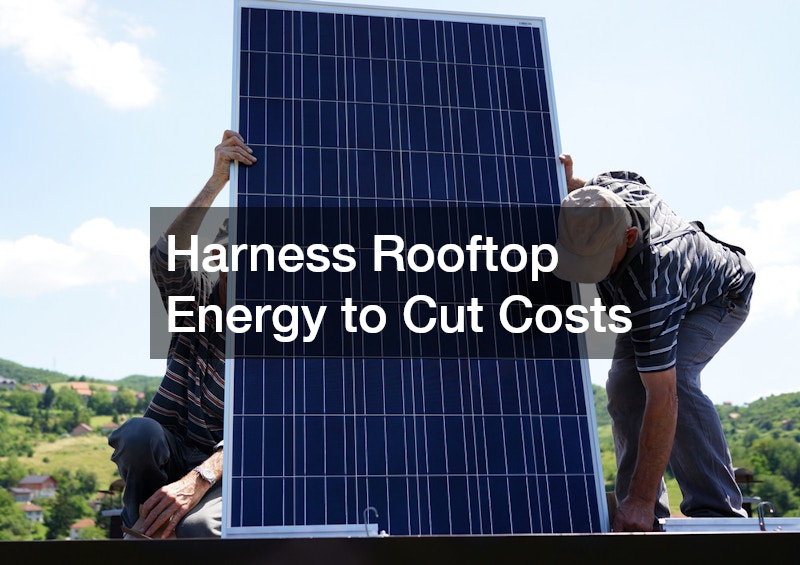
Rising utility rates have pushed many homeowners toward generating their own electricity, and solar panels remain one of the most reliable ways to do that. A properly sized system can offset a significant portion of a household’s annual electric usage, especially in regions with strong sun exposure and net metering programs. For a typical home, that might mean a 6 to 10 kilowatt system, though your ideal size depends on roof orientation, shading, and current energy consumption.
While the upfront cost is substantial, often ranging from $15,000 to $25,000 before incentives, federal tax credits and state incentives often shorten the payback window considerably. The federal solar tax credit currently covers 30% of installation costs, and many states layer on rebates, performance-based incentives, or property tax exemptions that further reduce the net price.
Most homeowners see payback within 7 to 12 years, after which the system essentially generates free electricity for its remaining lifespan of 20 to 25 years or more. Financing options like solar loans or leases can also eliminate the upfront barrier, though owning the system outright typically yields the greatest long-term savings and adds more resale value to your home.
Solar panels typically pay for themselves within 7 to 12 years, depending on local electricity rates, available incentives, and system size, after which the energy they generate is essentially free. Many homeowners also benefit from the federal solar tax credit, which currently covers 30% of installation costs, along with state rebates or net metering programs that further shorten the payback period.
Beyond the monthly savings, solar installations tend to boost resale value because buyers increasingly view them as a built-in cost-saving feature rather than a luxury add-on. Studies from Zillow and the Lawrence Berkeley National Laboratory suggest solar homes can sell for around 4% more than comparable homes without panels.
Homeowners should request a detailed production estimate before committing, since roof orientation and shading can significantly affect actual output. South-facing roofs with a slope between 15 and 40 degrees generally perform best, while large trees or neighboring structures can reduce efficiency by 10% or more. It’s also worth asking installers about panel degradation rates and warranty length, since most systems lose only about 0.5% efficiency per year but should still be backed by 20- to 25-year warranties.
- Average payback periods range from six to ten years depending on local incentives, utility rates, and system size
- Federal tax credits can offset roughly 30% of installation costs, shortening the payback timeline further
- Battery storage add-ons increase resilience during outages and let homeowners store excess daytime energy for evening use
- South-facing roofs typically produce the most consistent energy output, though east/west orientations can still work with slightly reduced efficiency
- Roof angle and shading from trees or nearby structures also significantly affect overall panel performance
- Panel warranties commonly cover 20 to 25 years of performance, while inverters often carry separate 10 to 15 year warranties
- Many installers offer production guarantees, ensuring panels generate a minimum percentage of expected energy output annually
Replace an Aging Roof Before It Fails
A roof nearing the end of its lifespan is one of the riskiest things to ignore, since water intrusion can quietly damage insulation, framing, and drywall long before a leak becomes visible indoors. Experienced roofers can spot early warning signs like curling shingles, granule loss, or soft decking that a homeowner might easily miss during a casual inspection. Replacing a roof proactively, rather than reactively after storm damage, often costs less and qualifies for better material pricing.
A new roof also plays a major role in energy efficiency, since reflective materials and proper ventilation reduce attic heat buildup during summer months. Buyers consistently rank roof condition as a top factor in purchase decisions, which means this upgrade protects both comfort and resale value simultaneously.
- Asphalt shingle roofs typically last 20 to 25 years, depending on climate
- Metal roofing lasts longer but carries a higher upfront cost
- Proper attic ventilation extends roof lifespan significantly
- A documented roof replacement can simplify future home insurance renewals
Add a Whole-Home Backup Power System
Power outages are becoming more frequent in many regions due to aging grid infrastructure and severe weather patterns, making backup power less of a luxury and more of a practical safeguard. A qualified generator installer can help determine whether a portable unit or a whole-home standby system better fits a household’s needs and budget. Standby systems in particular offer automatic activation, which means refrigerators, sump pumps, and medical equipment stay running even when nobody is home.
While the initial investment can feel steep, homeowners in outage-prone areas often recover the cost through avoided food spoilage, prevented water damage, and lower insurance risk over time. Real estate agents also report that backup power systems are increasingly attractive to buyers relocating from areas with unreliable utility service.
- Standby generators typically run on natural gas or propane for continuous fuel supply
- Annual maintenance keeps warranty coverage valid and ensures reliable startup
- Load calculations determine which circuits the generator can support
- Some utility companies offer rebates for generator installations tied to grid demand response programs
Modernize Outdated Plumbing Systems
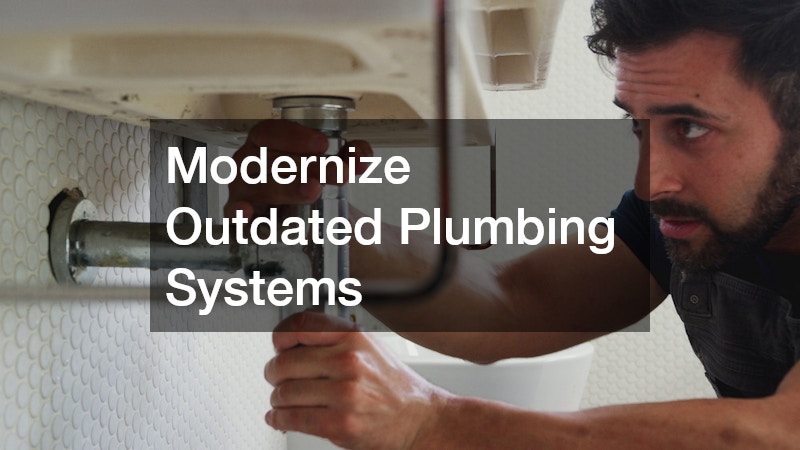
Old galvanized or polybutylene pipes are a hidden liability in many older homes, quietly increasing the risk of leaks, reduced water pressure, and even water contamination. Bringing in a licensed plumber to assess pipe material and condition is a smart first step before a small issue becomes a burst pipe and a major insurance claim. Repiping a home is disruptive, but it prevents the far costlier alternative of repairing water damage to floors, walls, and ceilings.
Updated plumbing also supports modern fixtures and appliances that require consistent water pressure to function properly, from tankless water heaters to multi-head showers. Many insurance providers offer lower premiums once outdated piping has been replaced, since it directly reduces their claim risk.
- PEX piping is now a common, cost-effective replacement for old copper or galvanized lines
- Water pressure regulators protect new plumbing from damage
- Leak detection systems can shut off water automatically during a pipe failure
- Annual plumbing inspections catch small issues before they become emergencies
Convert an Outdated Pool Into a Low-Maintenance Asset
An old, cracked pool with an inefficient pump can quietly cost homeowners a fortune in water loss, chemical waste, and energy consumption. Pool renovations that include resurfacing, updated filtration, and variable-speed pumps can cut operating costs substantially while making the space safer and more attractive. Many homeowners are surprised to learn that renovation costs are often far lower than the price of draining, patching, and refilling a failing pool year after year.
Beyond efficiency, a renovated pool area tends to draw stronger interest from buyers, particularly when paired with updated decking and better safety features like self-latching gates. Homeowners who plan to sell within five years often find that a moderate renovation budget returns a meaningful portion of its cost at closing.
- Variable-speed pumps use significantly less electricity than older single-speed models
- Saltwater conversion reduces long-term chemical costs
- Resurfacing prevents leaks that quietly waste thousands of gallons annually
- LED lighting upgrades improve safety and reduce energy draw during evening use
Replace Worn Flooring With a Durable Alternative

Flooring takes a beating from daily foot traffic, pets, and moisture, and once it starts to show wear, it drags down the entire look of a home regardless of other upgrades. Laminate flooring has become a popular replacement choice because it mimics the appearance of hardwood at a fraction of the cost while standing up well to scratches and spills. For homeowners on a tighter renovation budget, this option delivers a strong visual upgrade without the long installation timeline of solid wood.
Because laminate flooring is manufactured with a protective wear layer, it typically requires far less maintenance than natural materials, which appeals to busy households. Replacing worn carpet or damaged tile with a consistent flooring material throughout main living areas also tends to make homes feel larger and more cohesive to potential buyers.
- Laminate flooring installation is generally faster than hardwood refinishing or tile setting
- Water-resistant cores are now widely available for kitchens and entryways
- A consistent flooring style throughout main rooms improves perceived home value
- Underlayment choice significantly affects noise reduction and comfort underfoot
Add Custom Storage Solutions Throughout the Home
Storage is one of the most consistently requested features among home buyers, yet it’s often overlooked until closets become cramped and disorganized. Custom closets make far better use of vertical space than standard wire shelving, incorporating drawers, shoe racks, and adjustable shelving suited to how a household actually lives. This upgrade is particularly valuable in older homes where closets were built smaller than modern storage needs require.
Beyond closets, built-in organization in mudrooms, pantries, and garages helps homeowners avoid clutter that can make even a well-maintained house feel disorganized during showings. Because these projects are relatively small in scope compared to major renovations, they tend to offer a strong return relative to their cost.
- Custom closets can incorporate lighting and specialty hooks for a more functional layout
- Pantry organization systems make efficient use of awkward corner spaces
- Garage storage upgrades free up floor space for parking and workshop use
- Built-in systems tend to photograph better for real estate listings than off-the-shelf shelving
Enhance Curb Appeal With Durable Exterior Materials

First impressions matter enormously in real estate, and exterior upgrades using natural stone consistently rank among the highest-return curb appeal projects. Stone veneer applied to a home’s facade, porch columns, or mailbox area adds texture and permanence that vinyl or wood siding simply can’t match. Because stone is low-maintenance and weather-resistant, it also reduces long-term upkeep costs compared to painted surfaces that need regular refreshing.
A well-designed custom entry gate paired with stone accents can transform a plain driveway or walkway into a defined, secure entrance that signals quality before a visitor even reaches the front door. These upgrades work especially well together, since matching materials create a cohesive look that ties the landscaping, entry, and home exterior into one unified design.
- Natural stone accents typically require little more than occasional cleaning
- A custom entry gate adds both security and architectural character
- Combining stone with metal or wood accents creates strong visual contrast
- Exterior upgrades near the entryway have an outsized effect on first impressions
Conclusion
These nine upgrades share a common thread: each one solves a real problem while quietly protecting or increasing what your home is worth. Rather than tackling everything at once, prioritize the projects that address your home’s most pressing risks, whether that’s an aging roof, outdated plumbing, or a lack of usable storage. Get quotes from qualified professionals, ask about financing or rebate programs where available, and think of these upgrades as investments rather than expenses. Your future self, and your resale value, will thank you.