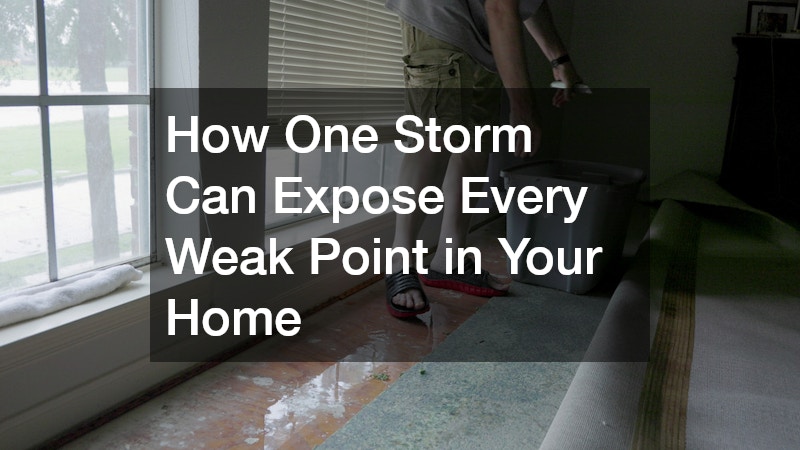
A single severe storm can undo years of careful home maintenance in a matter of hours, revealing problems you never knew existed until water is pooling in your living room or shingles are scattered across your lawn. High winds, heavy rain, and sudden temperature swings put stress on every system in your house at once, from the roof down to the foundation. Understanding where storms typically find weaknesses can help you prepare ahead of time, rather than scrambling for repairs afterward.
This guide walks through the most common vulnerable points storms expose, so you know exactly what to inspect before the next one hits.
Roof Damage That Starts Small and Spreads Fast
Your roof takes the brunt of any storm, and even minor existing wear can turn into major leaks once wind-driven rain finds a gap. Missing or curling shingles, cracked flashing around chimneys, and worn seals around vents are all common entry points for water. A roof that looked fine from the ground can hide dozens of small vulnerabilities that only become obvious once a storm applies real pressure.
If your roof is nearing the end of its expected lifespan, a major storm is often the tipping point that forces the issue. In some cases, a full roof installation ends up being more cost-effective than patching an aging roof repeatedly after every weather event. Getting a professional inspection after any significant storm, even if you don’t see obvious damage, can catch problems before they become structural.
- Look for granules collecting in gutters or downspouts after rain
- Check attic spaces for water stains or damp insulation
- Inspect flashing around chimneys, skylights, and vent pipes
- Watch for sagging areas on the roofline
- Note any shingles found in the yard after high winds
Gutter and Drainage Systems Under Pressure
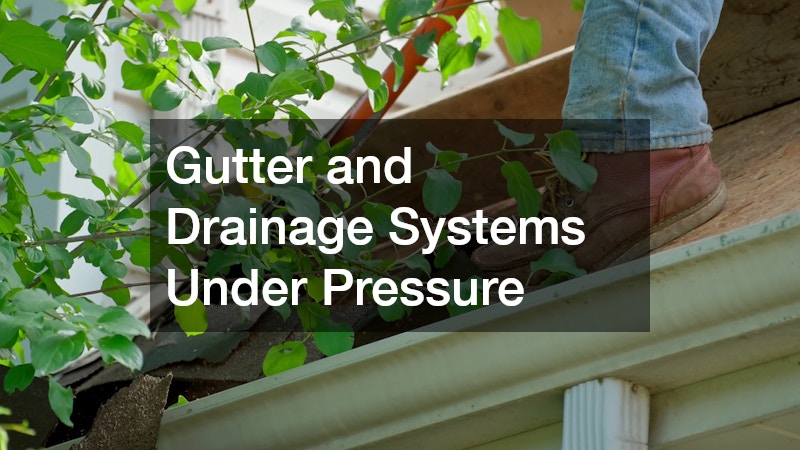
Gutters are designed to move a specific volume of water away from your home, and a heavy downpour can quickly overwhelm a system that is clogged, undersized, or poorly pitched. When gutters fail, water spills over the edges and pools right at your foundation, which is exactly where you don’t want standing water. Overflowing gutters can also cause fascia boards and soffits to rot over time, leading to bigger repair bills down the road.
Many homeowners only realize their gutter system is inadequate after a storm has already caused damage. Working with experienced gutter installation companies to reassess your home’s drainage needs can prevent repeat problems, especially if your property has multiple rooflines feeding into one small section of gutter. Properly sized downspouts and extensions that carry water well away from the foundation make a measurable difference during heavy rain.
- Clean gutters at least twice a year, more often near trees
- Check that downspouts extend several feet from the foundation
- Look for sagging sections or separated joints after storms
- Confirm gutters are pitched correctly for proper water flow
Basement and Foundation Water Intrusion
Water finds the path of least resistance, and in many homes that path leads straight to the basement. Cracks in the foundation, poorly sealed window wells, and grading that slopes toward the house instead of away from it all invite trouble during heavy rain. Even a small amount of water intrusion can lead to mold growth within 24 to 48 hours if it isn’t addressed quickly.
When flooding does occur, acting fast matters more than most homeowners realize. Calling water restoration services as soon as you notice standing water or saturated flooring can limit the damage and reduce the risk of long-term structural or air quality issues. Waiting even a day or two can allow moisture to spread into walls and subflooring where it becomes much harder to remove.
- Check that soil grading slopes away from your foundation
- Test your sump pump before storm season and after power outages
- Seal visible cracks in basement walls or floors promptly
- Watch for musty odors, which often signal hidden moisture
Plumbing Systems Strained by Storm Conditions

Heavy rain can overwhelm municipal sewer systems, causing backups that push water into your home through drains and floor cleanouts. Storms can also shift soil around underground pipes, leading to new leaks or aggravating old ones that were previously manageable. A sudden spike in water usage complaints from neighbors or unusual gurgling in your drains during a storm can be early warning signs worth taking seriously.
If you notice slow drains, backups, or unexplained water pressure changes after a storm, it’s worth having the issue looked at before it becomes an emergency. Finding the best local plumber for your area, one who understands the age and layout of homes in your neighborhood, can save you from guesswork when something goes wrong. A knowledgeable plumber can also flag warning signs of aging pipes that are more likely to fail under storm-related stress.
- Install a backwater valve if sewer backups are common in your area
- Know the location of your main water shutoff valve
- Listen for gurgling drains during and after heavy rain
- Have older pipe materials inspected periodically for wear
HVAC Equipment Exposed to Wind and Debris
Outdoor HVAC units are particularly vulnerable during storms, since flying debris, hail, and standing water can all damage the condenser coils, fan blades, and electrical components. A unit that was running perfectly fine before a storm may struggle afterward due to bent fins, clogged debris, or water intrusion into the electrical housing. Homeowners often don’t notice the damage until the system stops cooling or heating effectively days later.
After any major storm, it’s worth visually inspecting your outdoor unit for dents, debris buildup, or standing water before turning it back on. If you notice unusual noises, weak airflow, or the system cycling on and off more than usual, scheduling HVAC repair quickly can prevent a minor issue from turning into a full system replacement. Postponing service on a storm-damaged unit often leads to higher energy bills and more extensive repairs later.
- Clear debris from around the outdoor unit after every storm
- Check for bent or damaged fins on the condenser coil
- Listen for new rattling or grinding noises after severe weather
- Confirm the unit is level, since shifting ground can tilt the base
Trees and Landscaping That Threaten Structural Safety

Large trees near your home can become serious liabilities during high winds, especially if they have shallow roots, visible rot, or dead branches. A tree that seems sturdy in calm weather can snap or uproot entirely once sustained wind pressure builds, potentially landing on your roof, fence, or power lines. Overhanging branches also create an ongoing risk of scraping shingles and clogging gutters even in milder storms.
Regular tree maintenance is one of the more overlooked parts of storm preparation. Scheduling tree removal for dead or severely leaning trees before storm season reduces the chance of costly property damage and potential injury. Arborists can also assess which trees are healthy enough to withstand strong winds versus which ones pose an ongoing risk that’s better addressed proactively.
- Watch for leaning trees, exposed roots, or cracked trunks
- Trim branches that overhang the roof or power lines
- Remove dead trees before they become a storm hazard
- Have large trees professionally assessed every few years
Windows and Doors as Entry Points for Wind and Water
Windows and doors are often underestimated as storm vulnerabilities, but poor seals, cracked frames, and aging weatherstripping let both wind and water infiltrate a home surprisingly easily. Once water gets behind trim or into wall cavities near a window, it can cause hidden rot long before any visible staining appears indoors. Older single-pane windows are especially prone to cracking under pressure changes during severe wind events.
Beyond structural integrity, window coverings play a role in storm protection too. Custom window treatments made from durable materials can help protect glass from debris impact and reduce interior damage from shattered glass during high winds. Investing in quality seals, updated frames, and window treatments designed for your climate is a practical step that pays off during severe weather.
- Inspect caulking and weatherstripping annually
- Replace cracked or fogged window panes promptly
- Check door thresholds for gaps that let water inside
- Consider impact-resistant glass in storm-prone regions
Outdoor Living Features Vulnerable to Storm Impact

Decks, patios, and pools all take on additional stress during severe weather, and debris carried by high winds can cause surprising amounts of damage to outdoor structures. Loose deck boards, unanchored railings, or rotting support posts can give way under the combined force of wind and rain, while patio pavers can shift or crack when saturated ground beneath them starts to heave. Even a well-built deck can suffer if flying branches or patio furniture become airborne projectiles, denting railings or puncturing screens.
Heavy rain can also disrupt the chemical balance and filtration systems of backyard pools, leading to cloudy water, algae growth, or equipment malfunctions after a storm passes. A few inches of rainwater runoff carrying dirt, fertilizer, and organic debris can throw off pH and chlorine levels within hours, and pumps or filters left running during a power surge are at real risk of burning out. Homeowners often don’t realize the full extent of the damage until they test the water days later and find it’s turned green or hazy.
Pool covers and enclosures that aren’t properly secured can also tear or become damage-causing debris themselves. A cover with worn straps or loose anchors can rip free in high winds and slam into fencing, siding, or nearby windows, while screened pool enclosures are especially prone to torn mesh or bent framing during gusts above 50 mph. Checking that all outdoor fasteners, clips, and tie-downs are in good condition before storm season arrives can prevent these features from turning into hazards themselves.
Storms don’t just threaten your roof and gutters—decks, pergolas, fences, and pools take a beating too, often with damage that isn’t obvious at first glance. A cracked deck board, a loosened fence post, or a pool filter clogged with debris can seem minor, but left unaddressed, these issues tend to snowball into expensive repairs.
Swimming pools are especially vulnerable because storms disrupt more than just the surface. Heavy rain dilutes chemical balance, wind-blown debris clogs skimmers and pump baskets, and power outages can shut down filtration systems long enough for algae to take hold. Scheduling swimming pool service to test water chemistry, inspect pumps, and clear debris from skimmers ensures your pool doesn’t develop bigger problems that go unnoticed for weeks.
It’s also worth checking pool decking, fencing, and safety covers for cracks, warping, or loose fasteners, since these are easy to overlook but critical for safety. Wooden decks and pergolas should be inspected for shifted footings or splintered boards, especially after high winds. Addressing these issues early keeps equipment running efficiently and avoids costly repairs from neglected storm damage.
- Secure or remove pool covers before major storms; loose covers can rip loose and become airborne debris
- Lower pool water level by a few inches beforehand to reduce overflow and splash-out during heavy downpours
- Test water chemistry after heavy rain dilutes chemical balance — check pH, chlorine, and alkalinity within 24 hours
- Inspect pumps and filters for debris intrusion, including leaves, twigs, and silt that can clog impellers
- Shut off and cover pool equipment (pumps, heaters, electrical panels) before flooding to prevent short circuits
- Check decking and patio surfaces for storm-related cracking, heaving, or pooling water that signals drainage issues
- Examine pergolas, gazebos, and outdoor kitchens for loosened anchors or wind-lifted roofing panels
- Walk fence lines and retaining walls afterward to spot leaning posts or soil erosion at the base
Flooring and Interior Surfaces After Water Exposure
When storms cause leaks or flooding, flooring is often one of the first casualties, especially materials like hardwood, laminate, and carpet that absorb moisture quickly. Water trapped beneath flooring can warp boards, promote mold growth, and weaken subfloor materials in ways that aren’t always visible right away. Even a small, slow leak that goes unnoticed for weeks can cause more cumulative damage than a single flooding event.
If storm damage has compromised your flooring beyond simple drying and cleaning, replacing affected sections sooner rather than later prevents further deterioration. Professional floor installation using moisture-resistant materials can be a smart upgrade for storm-prone homes, particularly in basements or ground-level rooms most likely to experience water intrusion. Choosing the right materials upfront makes future storm recovery faster and less costly.
- Dry wet flooring within 24 to 48 hours to limit mold growth
- Watch for warping, buckling, or soft spots underfoot
- Choose water-resistant materials in flood-prone areas
- Replace damaged subflooring before installing new surfaces
Bathrooms as Hidden Sources of Storm-Related Damage
Bathrooms are particularly susceptible to storm-related issues because they combine plumbing, ventilation, and moisture-sensitive materials in a small space. Power outages during storms can disable exhaust fans, allowing humidity to build up and encourage mold growth on walls, ceilings, and grout lines. Storm surges or heavy rain can also cause sewer backups that affect bathroom fixtures before other parts of the home.
If your bathroom already had ventilation issues or aging fixtures before a storm, the added moisture stress can accelerate existing problems significantly. Planning a bathroom remodel after repeated storm damage gives you the opportunity to upgrade ventilation, seal vulnerable areas, and choose more durable materials that hold up better under future weather stress. This kind of proactive update often costs less in the long run than repeatedly repairing the same recurring damage.
- Run exhaust fans during and after storms when power allows
- Check caulking around tubs, showers, and toilets regularly
- Watch for bubbling paint or soft drywall near bathroom plumbing
- Address mold promptly to prevent it from spreading
Conclusion
No home is entirely storm-proof, but knowing where weaknesses typically hide gives you a real advantage when severe weather strikes. Walking through your roof, gutters, foundation, plumbing, HVAC system, landscaping, windows, outdoor features, flooring, and bathrooms with a critical eye now can prevent far more expensive surprises later. Addressing small issues before storm season arrives is always easier and cheaper than dealing with emergency repairs afterward. Take the time this season to inspect these vulnerable points and address what you find, so the next storm tests your preparation rather than exposing your neglect.