Every homeowner eventually faces the same dilemma: fix the aging system or tear it out and start fresh. The right answer isn’t always obvious, and choosing wrong can mean wasted money, unnecessary landfill waste, or a repair that fails again within a year. This guide breaks down the repair-versus-replace decision across the major systems in your home, with a focus on which choice actually protects your wallet and the environment long term. By the end, you’ll have a clearer framework for deciding when to patch things up and when it’s smarter to invest in something new.
Understanding the True Cost of Delaying a Decision

Many homeowners delay repair decisions because they’re afraid of the upfront cost of replacement, but delaying often costs more in the long run. A small leak, crack, or inefficiency left unaddressed tends to compound, turning a $200 fix into a $2,000 problem within a season or two. A hairline crack in a foundation can widen with freeze-thaw cycles, a minor roof leak can rot the decking beneath it, and a struggling HVAC system can quietly rack up higher utility bills every month it runs inefficiently.
The math rarely favors waiting. Contractors often point out that reactive repairs cost 3 to 5 times more than proactive ones, since emergency labor, water damage, mold remediation, or structural repair work all add expenses that a simple fix would have avoided entirely.
Sustainable decision-making isn’t just about materials and energy use, it’s also about timing your investment so you’re not throwing good money after bad. That means weighing not only the repair price tag today, but the likely trajectory of the problem, the age of the system involved, and how much longer it realistically needs to last. Understanding this tradeoff early sets the stage for every other decision covered in this article.
A useful rule of thumb is the 50 percent rule: if a repair costs more than half of a full replacement, replacement is usually the better long-term value. This applies whether you’re looking at a roof, an HVAC system, or a fence. For example, a $4,000 repair on a furnace that would cost $7,500 to replace edges close enough to the tipping point that replacement often makes more sense once you factor in future breakdowns.
Delaying that decision has its own hidden costs, too. Waiting on a failing water heater or an aging roof often means paying for emergency repairs at premium rates, dealing with water damage, or losing energy efficiency month after month while an old system limps along.
Keeping a simple running log of repair costs on any major system helps you spot when you’re approaching that tipping point. Note the date, the cost, and the reason for each repair, then add them up once a year. If the total starts creeping past 30-40 percent of replacement cost within a two- or three-year span, it’s a strong signal to start budgeting for a new system rather than continuing to patch the old one.
Evaluating Roof Damage Before Calling for Help
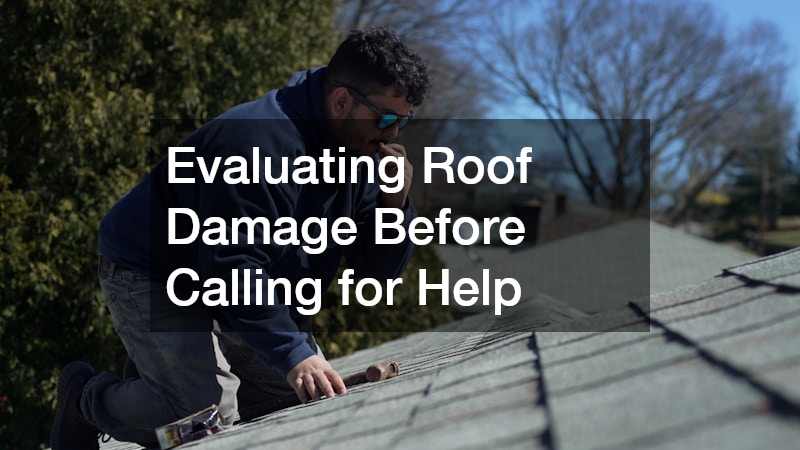
Roofing problems are among the most common repair-or-replace dilemmas homeowners face, largely because damage isn’t always visible from the ground. A few missing shingles or a small leak around a chimney flashing can often be handled with local roof repair, especially if the roof is less than 15 years old and the damage is isolated. However, widespread granule loss, sagging decking, or repeated leaks in different spots are signs that patching won’t solve the underlying problem.
Getting an honest assessment matters more than most people realize, since some contractors are quick to recommend full replacement when a repair would do. Reputable residential roofers will typically offer a written inspection report showing exactly what’s failing and why, rather than a vague recommendation. Ask for photos of the damage and a clear explanation of expected lifespan if repaired versus replaced.
- Isolated leaks around vents or flashing usually mean repair is sufficient
- Curling, cracked, or missing shingles across large sections point to replacement
- Roofs older than 20 years often benefit more from full replacement
- Water stains on multiple ceiling areas suggest a bigger structural issue
Garage Doors and the Hidden Cost of Ignoring Wear
Garage doors take a beating from daily use, temperature swings, and moisture, yet they’re often the last thing homeowners think to maintain. Minor issues like a noisy opener, a bent track, or worn weatherstripping are usually inexpensive fixes that extend the life of the door by years. But once the panels themselves are dented, warped, or rusted through, repair costs start climbing toward what a new installation would run.
A qualified garage door installer can usually tell within minutes whether a spring replacement or track alignment will solve the problem, or whether the door’s structural integrity is compromised. Since garage doors account for a meaningful share of a home’s curb appeal and insulation, replacing an old, poorly sealed door can also lower energy bills. Weigh the age of the door, the availability of replacement parts, and current energy efficiency before committing to another round of repairs.
- A door older than 20 years may lack parts for cost-effective repair
- Insulated doors installed today perform far better than older single-layer models
- Sensor or opener issues are almost always cheaper to repair than replace
- Persistent noise or shaking during operation often signals a bigger track problem
Siding Damage and When Patching No Longer Makes Sense
Siding protects your home’s structure from moisture intrusion, so damage here shouldn’t be ignored even if it looks cosmetic. Small cracks, a few loose panels, or minor fading can typically be handled with spot repairs that blend in reasonably well with existing material. Once you’re dealing with warping, mold growth behind panels, or damage across multiple sides of the house, full replacement becomes the more sustainable choice because it stops moisture problems before they reach the framing.
A trustworthy siding company will inspect not just the visible surface but also the sheathing and insulation underneath before recommending a course of action. This matters because siding that looks fine from the street can be hiding rot or pest damage that only becomes obvious once panels are removed. Getting a moisture reading during the inspection is a simple way to catch problems before they force an unplanned full replacement.
- Fading or minor scratches rarely justify full replacement
- Soft spots when pressed usually indicate water damage underneath
- Mismatched replacement panels can be a sign the product is discontinued
- Consistent damage on one side of the house often points to a drainage issue
Basement Projects That Go Beyond Simple Repairs
Basements present a unique challenge because water issues, cracked foundations, and outdated finishes often overlap. A single crack or minor seepage can usually be sealed and monitored, but recurring flooding or visible mold growth signals it’s time to consider a more comprehensive basement remodel rather than repeated patch jobs. Treating the space holistically, including waterproofing, insulation, and updated flooring, tends to be more cost-effective than fixing isolated symptoms year after year.
Homeowners sometimes underestimate how much unfinished or partially finished basement space adds to a home’s usable square footage once properly renovated. Before starting any large-scale project, it’s worth getting a professional evaluation of drainage, sump pump capacity, and grading around the foundation, since these factors determine whether a remodel will actually hold up. Addressing the water source first prevents wasted money on finishes that will only need to be redone.
- Recurring dampness after every heavy rain suggests a drainage issue, not just a wall crack
- Musty odors often mean mold is present even if it isn’t visible
- Egress windows may be required if you plan to add a bedroom
- Flooring choices should account for potential future moisture exposure
Deciding the Fate of an Aging Plumbing System

Plumbing problems range from a single dripping faucet to widespread pipe corrosion, and the right response depends heavily on the age and material of your home’s system. Galvanized steel pipes, common in homes built before the 1960s, tend to corrode from the inside out, meaning a repair in one spot often just delays a failure somewhere else nearby. For larger properties or multi-unit buildings, bringing in a commercial plumbing company for a full system evaluation can reveal whether targeted repairs are realistic or whether repiping is the more sustainable long-term investment.
Low water pressure, discolored water, and frequent leaks in different locations are all signs that the system as a whole is aging out, rather than experiencing isolated failures. Repiping is a larger expense upfront, but it eliminates the recurring cost and disruption of emergency repairs. Getting a camera inspection of the main lines before deciding can clarify whether you’re facing a localized issue or a systemic one.
- Frequent leaks in different rooms suggest system-wide corrosion
- Discolored water is a common sign of pipe deterioration
- Repiping upfront often costs less than years of emergency repair calls
- Older homes with galvanized pipes are prime candidates for full replacement
HVAC Systems and the Efficiency Tipping Point
Heating and cooling systems are a textbook example of where repair costs and energy efficiency need to be weighed together. A furnace or air conditioner under 10 years old with a single failed component is usually worth repairing, especially if it’s still under warranty. Once a unit passes the 12 to 15 year mark, the calculus shifts, since newer hvac installation options are often 20 to 30 percent more efficient than what they’re replacing, which adds up quickly on monthly utility bills.
It’s also worth factoring in refrigerant type, since older systems using phased-out refrigerants can become expensive to service as parts and refrigerant supplies dwindle. A technician can run a load calculation to confirm whether your current system is even sized correctly for your home, which sometimes explains chronic performance issues. Replacing an undersized or oversized unit often solves problems that repairs never fully address.
- Systems over 12 years old are prime candidates for replacement rather than repair
- Rising energy bills without a clear cause can indicate declining efficiency
- Frequent repairs in a single season often outweigh the cost of a new unit
- Outdated refrigerant types can make future repairs increasingly expensive
Fencing, Grading, and Outdoor Structures
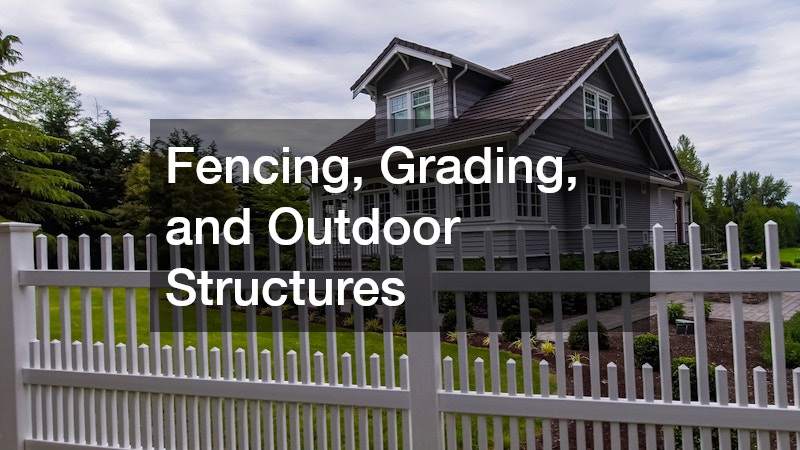
Outdoor structures face constant exposure to weather, so it’s easy for small issues to snowball if they’re ignored over a winter or two. Leaning posts, a few broken boards, or loose hardware are typically simple fixes that most fence companies can handle in a single visit. Widespread rot, especially near the ground line, or fencing that’s shifted due to soil movement usually means the underlying posts need to be reset or replaced entirely.
Soil and grading issues around a property often go unnoticed until they start affecting fences, patios, or even foundation drainage. In these cases, bringing in an excavating contractor to correct grading or install proper drainage solutions can prevent the same structural problems from recurring after a repair. Addressing the ground conditions first is what separates a lasting fix from a temporary one.
- Rot concentrated at the base of posts usually means replacement is needed
- Leaning sections without rot can often be repaired by resetting posts
- Poor drainage around a property can cause repeated fence and patio damage
- Grading corrections prevent water from pooling against structures long term
Managing Waste Responsibly During Any Project
Whatever project you choose, responsible disposal of old materials is part of making the sustainable choice actually sustainable. Renovation and demolition debris can quickly overwhelm a standard trash pickup, which is why most larger repair or replacement jobs call for dedicated construction debris removal rather than piling materials at the curb. Many municipalities also have specific rules about disposing of roofing shingles, treated wood, and old plumbing fixtures, so checking local guidelines before starting demolition avoids fines later.
Recycling and donation are worth considering before defaulting to a landfill, since usable siding, doors, and fixtures can often be repurposed through local building material reuse centers. Planning debris removal at the start of a project, rather than as an afterthought, keeps the work site safer and helps avoid delays caused by piled-up materials. A little upfront planning here reduces both cost and environmental impact.
- Confirm local rules on disposing of shingles, treated wood, and old fixtures
- Ask about recycling options for metal, wood, and drywall waste
- Schedule debris pickup in advance to avoid work site delays
- Donate usable materials to local reuse centers when possible
The Bottom Line
Deciding between repair and replacement always comes down to the same core questions: how old is the system, how widespread is the damage, and what will it actually cost you over the next five to ten years. Sustainable choices aren’t always the cheapest option today, but they’re consistently the ones that prevent repeat expenses and unnecessary waste down the road. Start by getting an honest, itemized assessment for whatever system is giving you trouble, then compare that cost against a realistic replacement estimate before making a final call. Taking this measured approach will save you money and give you confidence that you made the right call for your home.