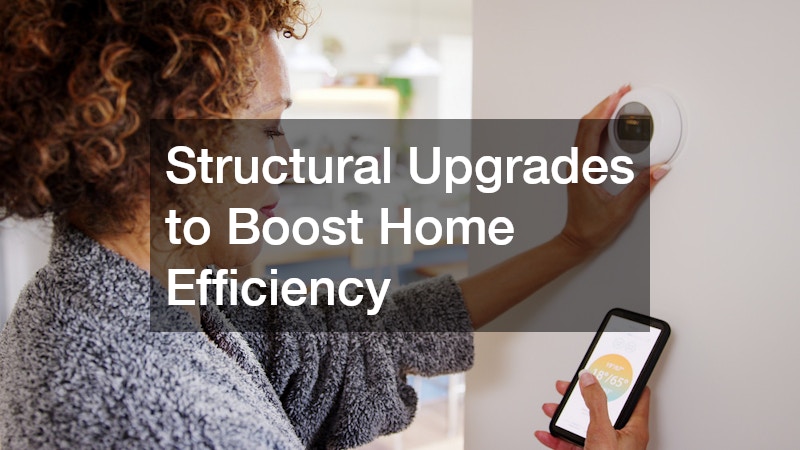
When homeowners think about reducing their monthly utility bills, they often turn to behavioral adjustments. They might lower the thermostat a few degrees in the winter, switch off lights when leaving a room, or run the dishwasher only when it is completely full. While these habits are excellent for conservation, they only scratch the surface of a home’s true energy potential. To unlock deep, permanent savings and dramatically improve day-to-day comfort, you must look at the property through the lens of building science. A house is a complex, interconnected ecosystem of structural components, mechanical systems, and interior finishes. If the structural envelope is compromised, even the most advanced heating or cooling system will waste energy.
True home efficiency requires structural upgrades that fortify the property against the elements, optimize its power distribution, and streamline its mechanical performance. By investing in permanent, structural changes, you shift your home from a reactive state—where you constantly fight drafts and temperature swings—to a proactive state of thermal equilibrium. These upgrades not only slash your carbon footprint and drop your monthly operating costs, but they also protect the underlying framing, foundation, and roof from premature degradation. The following guide provides an in-depth, structural blueprint to transform your home into a high-performance, energy-efficient sanctuary from the outside in.
Securing the Building Envelope: Roof and Siding Tactics

The building envelope is the physical barrier between the conditioned interior of your home and the unconditioned outdoor environment. When this envelope is weak, thermal bridging occurs. Thermal bridging is the movement of heat across an object that is more conductive than the materials around it, such as wood studs or uninsulated rafters. During the summer, a poorly insulated roof acts as a massive radiator, absorbing the sun’s intense solar energy and transferring it directly down into your attic and living spaces.
When shingles warp, crack, or blow away, they expose the underlying roof deck to both moisture and radiant heat. Moisture infiltration destroys the structural integrity of your insulation, significantly lowering its R-value—the measure of a material’s resistance to heat flow. When insulation is damp or compressed, it loses its ability to trap air pockets. Staying vigilant with roofing repairs ensures that the top layer of your home prevents heat from penetrating the deck and keeps your attic assembly dry and properly ventilated. A well-maintained roof, combined with proper soffit and ridge ventilation, allows trapped heat to escape naturally rather than forcing it down through your ceiling.
The walls of your home represent another massive surface area vulnerable to energy loss. As a home ages, its original exterior barrier can degrade, leading to microscopic gaps that allow wind to penetrate the framing. Choosing the right siding companies can make a profound structural difference. High-quality exterior contractors wrap the entire structure in a continuous layer of rigid foam insulation and a high-tech weather barrier. This process creates a thermal break that completely encapsulates the house, eliminating the energy loss that typically occurs right through the wooden wall studs.
To maximize your home’s exterior efficiency, consider implementing these specific, structural tactics:
- Inspect your attic floor for proper insulation depth, aiming for an R-49 to R-60 rating, which typically translates to roughly 16 to 19 inches of blown-in fiberglass or cellulose.
- Look for cool-roof technology when replacing shingles, choosing materials with high solar reflectance that bounce sunlight away rather than absorbing it.
- Ensure your exterior house wrap is completely taped at the seams during siding installation to create an airtight seal while still allowing structural moisture to escape.
- Fix any minor flashing or structural damage immediately to prevent localized water leaks from rotting your wall or roof insulation.
High-Performance Openings: Windows and Light Control

If the roof and walls form the shield of your home, the windows are historically the weak points. Standard, single-pane glass provides virtually zero thermal resistance, behaving like a literal hole in your wall through which expensive heated or cooled air escapes. Even older double-pane windows can lose their effectiveness over time if the factory seals fail, allowing the insulating gas between the panes to leak out and moisture to fog up the interior.
Upgrading to modern, multi-pane glass units is one of the most impactful structural choices a homeowner can make. When planning a window installation, the focus must extend beyond aesthetics to clear performance metrics. You must look closely at the U-factor, which measures the rate of non-solar heat transfer, and the Solar Heat Gain Coefficient, which indicates how much solar radiation passes through the glass. High-performance windows utilize low-emissivity coatings—microscopically thin layers of metal oxide applied to the glass—that reflect infrared heat back to its source while letting visible light pass through. Furthermore, the space between the panes is filled with dense argon or krypton gas, which slows down the convective movement of heat far better than regular air.
Once the physical glass and frames are structurally sound, the next layer of efficiency comes from how you manage the light entering those openings throughout the day. Direct sunlight passing through a south- or west-facing window can quickly create a greenhouse effect, forcing your cooling system to run constantly. Integrating custom drapery and blinds allows you to control this passive solar heat gain dynamically. Cellular or honeycomb shades, for instance, are engineered with built-in air pockets that provide a distinct structural barrier right against the glass. When lowered during the hottest hours of the summer day, they trap heat before it ever enters the room’s atmosphere, and when lowered on freezing winter nights, they prevent internal heat from radiating back out into the cold.
To optimize your windows for maximum structural efficiency, focus on the following details:
- Select windows with a U-factor of 0.30 or lower and a Solar Heat Gain Coefficient optimized for your specific climate zone.
- Prioritize window frames made of insulated vinyl, fiberglass, or wood clad with aluminum, as solid metal frames conduct heat rapidly.
- Pair your window upgrades with heavy, thermally lined drapes that seal tightly against the wall or window sill to eliminate convective air loops.
- Check the weatherstripping along window sashes annually, replacing any brittle or flattened foam to maintain a tight physical seal.
Power and Infrastructure: Modernizing the Core Energy Grid
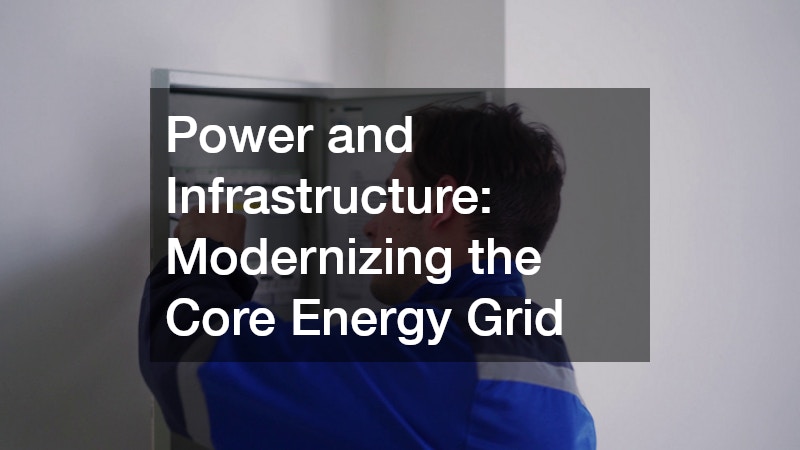
Mechanical upgrades for home efficiency—such as high-efficiency heat pumps, induction stovetops, and smart home energy managers—require a robust electricity supply. Many older homes were built with a 60-amp or 100-amp electrical service, which is inadequate for modern needs. Running a modern home on an outdated power grid is a safety risk and operationally inefficient.
When an electrical system nears its capacity, components overheat, wire resistance increases, and voltage drops occur, forcing electronics to draw more current. Electrical panel upgrades allow a safe transition from fossil fuels to a modern 200-amp or 400-amp system. Smart panels can monitor electricity usage of individual circuits in real-time, helping identify appliances wasting power.
The wiring in walls must support green technology. Branch circuits need sizing for their loads to minimize line loss—energy lost as heat. Electrician service from a qualified professional can audit your home’s grid to prepare for efficiency demands, isolate heavy-use appliances, install smart dimmers to reduce power consumption, and provide whole-home surge protection for HVAC control boards.
Consider these critical infrastructure steps to bring your electrical system up to modern efficiency standards:
- Upgrade your service panel to at least 200 amps to ensure you have the capacity for modern high-efficiency mechanical systems and future electric vehicle infrastructure.
- Install smart, programmable breakers or a secondary home energy monitor to track down phantom energy users that draw power even when turned off.
- Replace standard wall outlets with smart receptacles in high-use areas, allowing you to cut power to non-essential electronics via a schedule or smartphone app.
- Ensure all wiring in unconditioned spaces like attics or crawlspaces is properly routed and protected so it does not degrade from extreme ambient temperatures.
Climate Control Optimization: Tuning the HVAC System
Heating and cooling make up the majority of a home’s energy consumption, often exceeding 50 percent of the utility bill. Optimizing these systems yields the highest financial returns. Over years, HVAC systems lose efficiency as dust accumulates, parts wear down, and refrigerant levels shift from specifications.
When an air conditioner or heat pump is low on refrigerant or has a fouled condenser coil, it cannot reject heat effectively. The compressor runs longer, consuming more electricity while providing inadequate cooling. Homeowners often overlook early signs of system decline, assuming cool air means all is well. Regular air conditioning repair services can identify hidden efficiency issues before they cause compressor damage. A technician can clean coils, calibrate valves, and ensure optimal seasonal energy efficiency ratio.
When repairs are insufficient, consider the overall design of your home’s air distribution. Work with experienced HVAC contractors who use a scientific approach to climate control. Professionals accurately calculate unit size based on insulation, window orientation, and local climate, rather than just house square footage.
An oversized system cycles rapidly, reducing efficiency and failing to dehumidify, while an undersized system runs continuously without reaching the desired temperature. Expert contractors check ductwork for leaks that can waste up to 30 percent of conditioned air. Sealing duct joints with mastic paste and insulating them ensures energy consumption benefits the interior environment.
Keep these mechanical optimization points in mind for your heating and cooling systems:
- Clean or replace your HVAC air filters every 30 to 90 days to maintain optimal static pressure and prevent your blower motor from overworking.
- Demand a complete duct-leakage test when upgrading your equipment, ensuring all accessible duct joints are sealed with professional-grade mastic rather than standard duct tape.
- Consider transitioning to variable-speed or inverter-driven heat pump systems, which can modulate their output precisely to match the heating or cooling load of the home rather than running at 100 percent capacity all the time.
- Install smart thermostats with remote room sensors to prevent the system from over-conditioning empty spaces based on a single, poorly placed wall thermostat.
Fluid Mechanics: Ensuring Smooth Plumbing Infrastructure

Plumbing, a crucial part of residential energy management, can significantly impact utility costs. Inefficiencies in plumbing loops can add hundreds of dollars to annual bills.
When drainage is sluggish due to blockages like grease, hair, or mineral scale, it causes appliances to struggle, increasing power consumption. Professional drain clearing removes these blockages, ensuring smooth fluid movement and reducing strain on water-efficient appliances.
Hot water management in plumbing offers real savings. Standard water heaters cause standby heat loss. Advanced plumbing services can reorganize heating systems and insulate hot water pipes, preventing unnecessary water cooling. Transitioning to tankless or hybrid systems reduces electricity usage by up to 70% by utilizing surrounding air heat.
To maximize your plumbing system’s efficiency, follow these structural guidelines:
- Insulate all accessible hot water pipes within three feet of the water heater, and any pipes running through unconditioned zones, using high-quality polyethylene or elastomeric foam sleeves.
- Flush your water heater tank annually to remove sediment buildup, which acts as an insulating barrier between the burner or heating element and the water inside.
- Install low-flow aerators on faucets and showerheads to structurally limit water volume without sacrificing water pressure, immediately reducing the load on your water heater.
- Fix any running toilets or dripping faucets immediately; a single leaky faucet can waste thousands of gallons of heated water over the course of a year.
Transforming your home into a high-performance, energy-efficient structure is not about a single, magic-bullet solution. It is about understanding that every component of your property relies on the others. A top-tier heating system cannot perform optimally if a drafty window is constantly letting cold air inside, and a perfectly insulated wall cannot do its job if a faulty electrical system or clogged plumbing line is causing hidden internal friction.
By systematically addressing the building envelope, updating your electrical infrastructure, tuning your mechanical climate controls, and optimizing your plumbing lines, you create a cohesive, balanced ecosystem. These structural upgrades require an upfront investment of time, planning, and capital, but the returns are profound. You will enjoy a home that remains remarkably comfortable through the worst winter blizzards and summer heatwaves, all while enjoying the long-term financial freedom of drastically reduced utility bills. To take the next step, consider scheduling a comprehensive home energy audit with a certified professional to pinpoint exactly which of these structural upgrades will deliver the fastest and most impactful return on investment for your specific property.