Highlights:
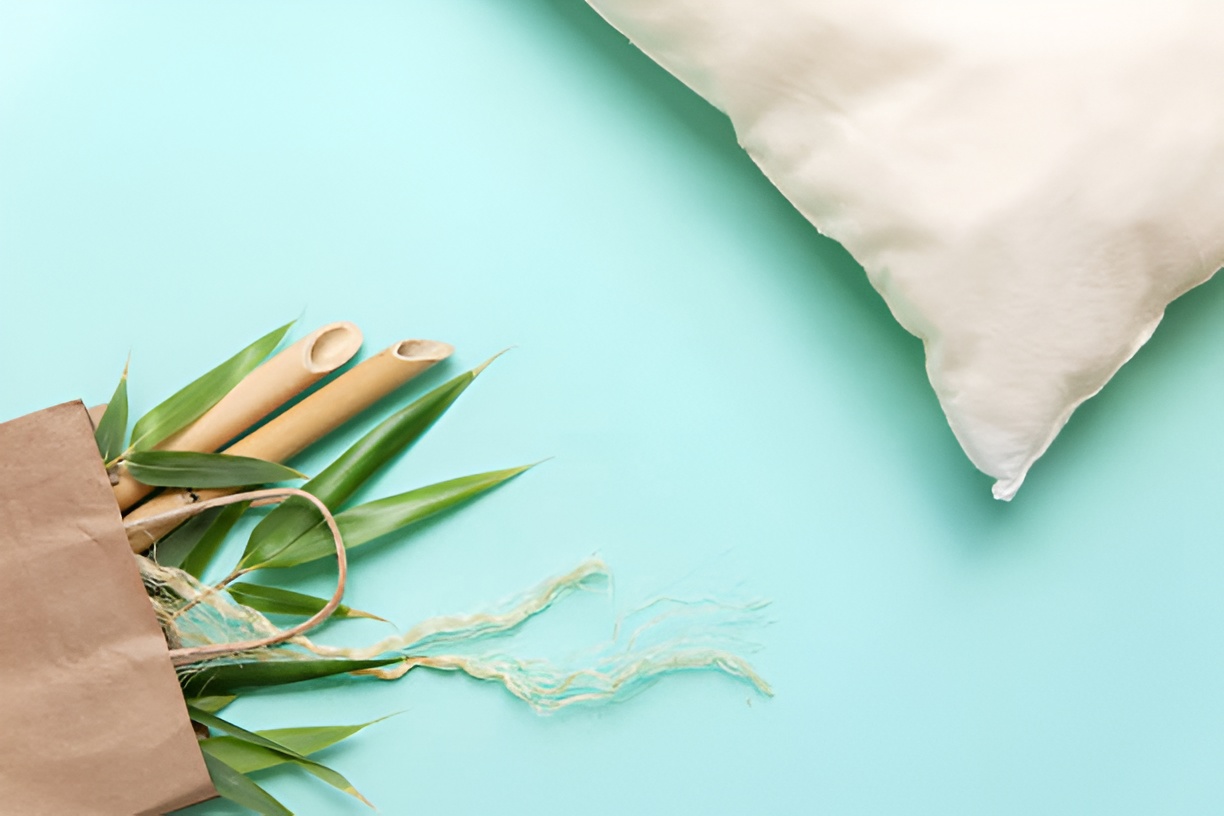
- Choose Eco-Friendly Materials: Use organic cotton, linen, bamboo, recycled fabrics, or ethically sourced fillings like wool, kapok, or recycled polyester to make pillows sustainable.
- Select the Right Size for Purpose: Standard, throw, or body pillows each serve different needs; planning size reduces waste and ensures comfort.
- Follow Step-by-Step Pillow Making: Gather materials, cut fabric accurately, sew or use no-sew techniques, add filling, and close carefully to create a durable, eco-friendly pillow.
- Minimize Waste During Production: Use scraps creatively, repurpose old pillows, buy in bulk, recycle mistakes, and avoid excessive plastic packaging.
- No-Sew Options Are Viable: Fabric glue, iron-on tape, knot-tied fleece, or reusable pillowcases allow beginners to make pillows sustainably without sewing tools.
- Maintain Your Pillow Sustainably: Wash with eco-friendly detergent, air dry, use removable covers, and repair instead of replace to extend pillow life.
- Incorporate Zero-Waste Practices: Measure carefully, mix fillings, store materials properly, plan cuts strategically, reuse threads, and donate leftovers to minimize environmental impact.
Pillows are one of those everyday items that often go unnoticed, yet they play a huge role in our comfort and sleep quality. If you’ve ever thought about making your own pillow, why not do it the sustainable way? By creating a pillow with minimal waste, you not only reduce your environmental footprint but also craft something unique and personalized. This guide will take you step by step through everything you need to know about making a pillow sustainably.
Why Make Your Own Pillow?
Making your own pillow might seem like a lot of work, but there are several benefits:
- Personalized Comfort – You control the firmness, size, and shape.
- Eco-Friendly Materials – You can choose organic or recycled fabrics and fillings.
- Cost-Effective – DIY pillows can be cheaper than buying high-quality sustainable options.
- Creative Expression – You can select colors, patterns, and textures that fit your style.
What Materials Are Sustainable for Pillow Making?
Choosing the right materials is the foundation of making a truly sustainable pillow. The goal is to select fabrics and fillings that are eco-friendly, non-toxic, and long-lasting. Here’s a detailed breakdown:
Fabrics:
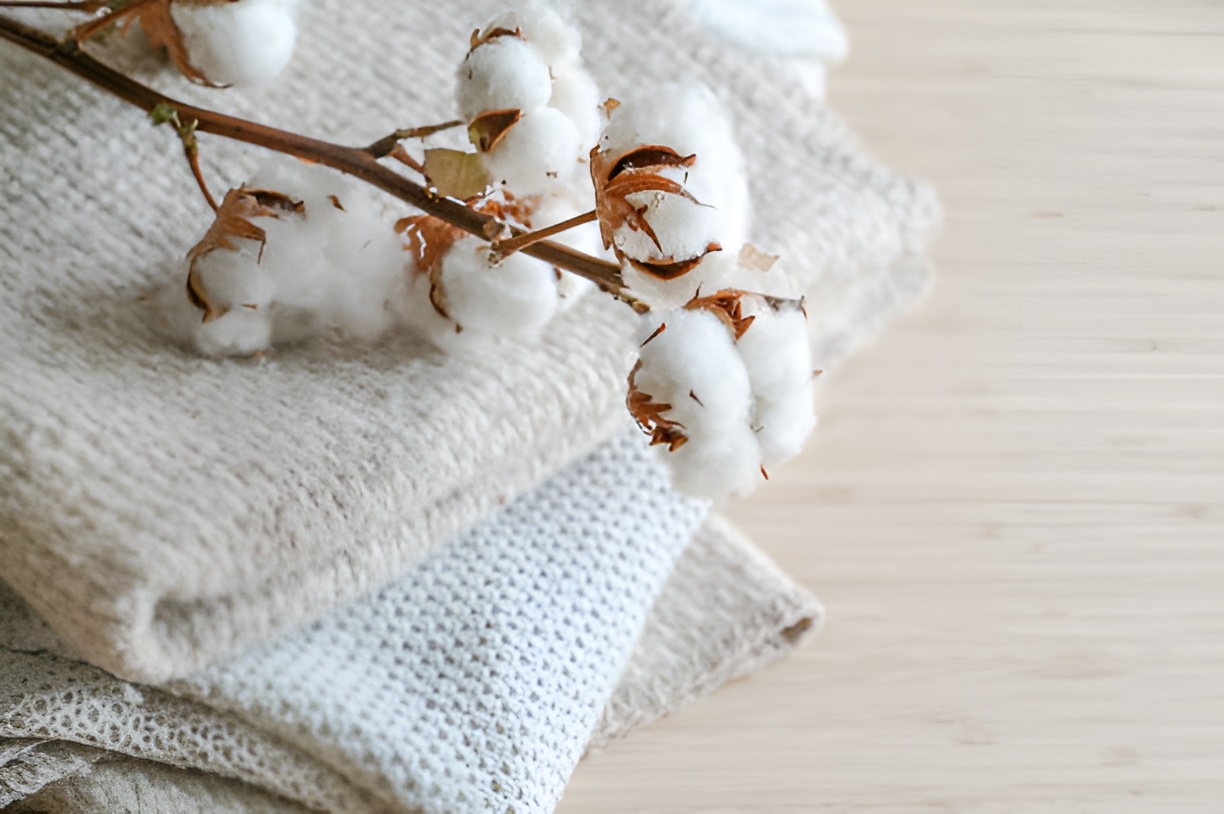
- Organic Cotton: Grown without pesticides or synthetic fertilizers, organic cotton is soft, breathable, and gentle on sensitive skin. It’s ideal for pillow covers because it’s durable yet easy to wash. Look for certifications like GOTS (Global Organic Textile Standard) to ensure true sustainability.
- Linen: Made from flax, linen is naturally strong, biodegradable, and becomes softer with each wash. It’s naturally resistant to bacteria and moisture, making it an excellent choice for pillow covers that last for years.
- Recycled Fabrics: Old sheets, clothing, or textile scraps can be repurposed to make unique, low-waste pillows. By giving pre-loved fabrics a second life, you reduce landfill contributions and save resources. Consider combining different textures for creative patchwork designs.
- Bamboo Fabric: Bamboo grows quickly with minimal water and no chemicals, making it one of the most sustainable fabric sources. It’s naturally antibacterial, moisture-wicking, and silky soft, perfect for pillows meant for hot climates or sensitive skin.
Filling Materials:
- Organic Wool: Wool is naturally insulating, breathable, and biodegradable. It can regulate temperature, keeping you warm in winter and cool in summer. Opt for ethically sourced wool to ensure the animals were treated humanely.
- Kapok Fiber: Harvested from the seed pods of the kapok tree, this lightweight, fluffy fiber is naturally sustainable and biodegradable. It offers a soft, cloud-like feel and doesn’t require chemical processing.
- Recycled Polyester: Made from post-consumer plastic bottles, recycled polyester keeps plastic out of landfills while providing a durable, hypoallergenic pillow filling. Look for certifications like GRS (Global Recycled Standard) to ensure authenticity.
- Feathers from Ethically Sourced Birds: Feathers offer natural support and softness. Always ensure that feathers are sourced from farms that adhere to cruelty-free practices, avoiding live-plucking and supporting humane treatment.
Other Essentials:
- Biodegradable Thread or Organic Cotton Thread: Regular polyester thread can take hundreds of years to decompose. Using biodegradable thread ensures your pillow remains fully sustainable at the end of its life.
- Natural Dyes: If you want to add color, opt for natural dyes derived from plants, vegetables, or spices. Turmeric, onion skins, and avocado pits can create beautiful, subtle shades without harsh chemicals.
By thoughtfully choosing these materials, you can craft a pillow that is not only comfortable but also gentle on the planet.
How to Choose the Right Pillow Size
Before cutting any fabric, it’s important to decide on the pillow’s size and purpose. Choosing the right dimensions ensures comfort and reduces waste.
- Standard Pillow: Typically 20” x 26”, this is the most common size for sleeping pillows. Ideal for adults and children alike, it fits most pillowcases and offers versatile support for different sleeping positions.
- Square Throw Pillow: Usually 18” x 18” or 20” x 20”, throw pillows are mostly decorative but can add lumbar support for sitting areas. Perfect for couches, chairs, or bed accents.
- Body Pillow: Around 20” x 54”, body pillows provide full-length support for side sleepers or expecting mothers. They can also double as a cozy cuddle pillow for lounging.
Pro Tip: Always check the size of your existing pillowcases or covers if you plan to reuse them. This helps minimize wasted materials and ensures a snug fit. Additionally, if you’re using recycled fabrics, try to maximize fabric usage by cutting patterns efficiently.
Step-by-Step Guide to Making a Sustainable Pillow
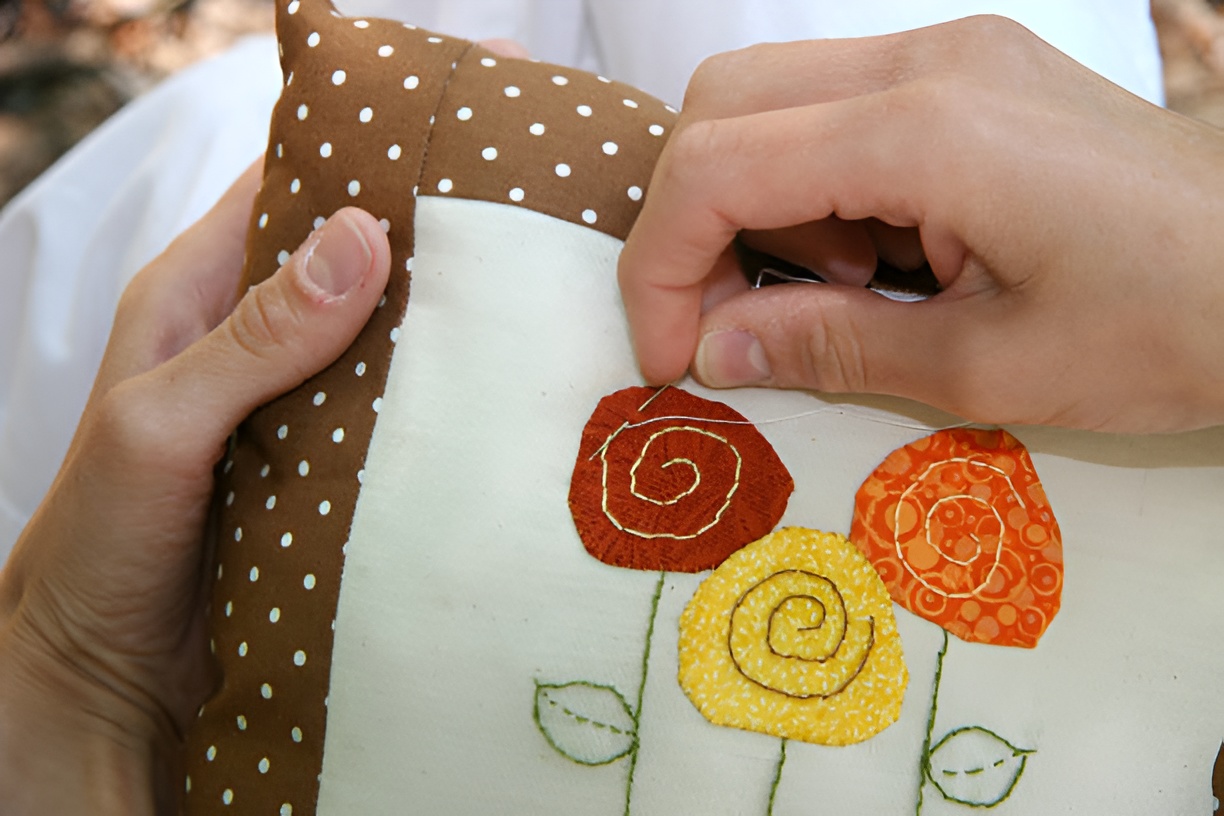
Creating your own pillow sustainably doesn’t have to be intimidating. Here’s a detailed, step-by-step process:
Step 1: Gather Your Materials
Make sure everything is ready before you start. Being organized reduces mistakes and waste. You’ll need:
- Sustainable fabric (organic cotton, linen, or recycled textiles)
- Pillow filling (wool, kapok, or recycled polyester)
- Scissors or rotary cutter
- Ruler or measuring tape
- Pins or clips
- Sewing machine or hand-sewing needle
- Optional: natural dyes or decorative elements (buttons, lace, patches)
Having all tools and materials prepared also makes the process more enjoyable and efficient.
Step 2: Cut the Fabric
- Measure your desired pillow size and add at least 0.5 inches on all sides for seam allowances.
- Cut two identical pieces of fabric. Accuracy matters to avoid lopsided pillows.
- If you’re using recycled fabrics, make sure they’re washed, clean, and free from holes or stains.
Pro Tip: Use leftover scraps for small decorative accents or to reinforce corners.
Step 3: Sew the Pillowcase
- Place the fabric pieces right sides together. This ensures the final pillow has the smooth side of the fabric on the outside.
- Pin or clip the edges securely.
- Sew around the perimeter, leaving a 4–6 inch opening for inserting the filling.
- Reinforce corners with extra stitching for durability.
Tip: A straight stitch is ideal, but you can also use a zig-zag stitch for added strength if using stretchy fabrics.
Step 4: Turn Fabric Right Side Out
- Carefully turn the sewn pillowcase so the right side faces out.
- Use a pencil or chopstick to gently push out the corners for a clean, square finish.
Step 5: Add the Filling
- Add the filling gradually to avoid lumps.
- Adjust the amount based on your preferred pillow firmness—soft, medium, or firm.
- Fluff and knead the filling as you go for even distribution.
Tip: Mixing different fillings (like wool and kapok) can create a custom texture that is soft yet supportive.
Step 6: Close the Pillow
- Fold the raw edges of the opening inward and pin.
- Hand-stitch with a ladder stitch or use your sewing machine for a neat finish.
- Ensure the stitching is tight to prevent filling from escaping.
Pro Tip: Hand-stitching may take longer but allows for precise control and reduces the risk of gaps.
How to Minimize Waste While Making Your Pillow
Sustainable pillow-making is about more than eco-friendly materials—it’s about using resources efficiently.
- Use Fabric Scraps: Small leftover pieces can become decorative patches, mini pillows, or even travel cushions.
- Repurpose Old Pillows: Salvage filling and covers from pillows you no longer use. Clean and refresh the fabric for a second life.
- Buy in Bulk: Purchasing materials in bulk reduces packaging waste and minimizes trips to the store.
- Recycle Mistakes: Natural fiber scraps can go into compost, while synthetic pieces can enter textile recycling programs.
- Avoid Plastic Packaging: Look for suppliers who use minimal or biodegradable packaging. This reduces plastic entering landfills.
These small steps collectively make a significant impact on reducing waste.
Can You Make a Pillow Without Sewing?
Yes! There are several eco-friendly alternatives for creating pillows without sewing:
- No-Sew Method with Fabric Glue or Iron-On Tape: Ideal for small decorative pillows. Make sure the adhesive is non-toxic and long-lasting.
- Knot-Tied Fleece Pillows: Use fleece or other non-fraying fabrics, cut fringe along the edges, and tie knots to secure the filling. Perfect for kids or quick projects.
- Reusable Pillow Cases: Insert filling into a pre-made sustainable pillowcase for an easy and zero-waste solution.
No-sew methods reduce tool requirements, save time, and are perfect for beginners.
How to Keep Your Pillow Eco-Friendly After Making It
Sustainability doesn’t end with pillow creation. Proper care ensures longevity:
- Wash with Eco-Friendly Detergent: Use biodegradable detergents free from harsh chemicals.
- Air Dry When Possible: Saves energy and extends fabric life.
- Use Removable Covers: Prevents frequent washing of the entire pillow and allows you to switch styles easily.
- Repair Instead of Replace: Patch small holes or resew seams instead of discarding the pillow.
Proper care also maintains comfort and keeps your pillow hygienic.
Frequently Asked Questions
Q: Can I use synthetic filling sustainably?
Yes, recycled polyester from bottles is a great option. It reduces plastic waste and extends the lifecycle of materials.
Q: How long will a homemade pillow last?
With proper care, natural fiber pillows can last 3–5 years or more, and synthetic fillings even longer.
Q: Is sewing necessary for durability?
Not strictly. No-sew methods are fine for decorative pillows, but for sleeping pillows, sewing ensures longer-lasting structure.
Q: Can I make a pillow from old clothes?
Absolutely. Repurposing shirts, jeans, or sweaters is eco-friendly and gives your pillow a unique style.
Top Tips for a Zero-Waste Pillow Making Process
Creating a sustainable pillow isn’t just about choosing the right materials—it’s also about minimizing waste at every stage of the project. These practical tips will help you reduce fabric scraps, save resources, and make the most out of your materials:
Measure Twice, Cut Once:
One of the simplest yet most effective ways to prevent waste is by double-checking your measurements before cutting fabric. Mistakes here can result in unusable pieces or uneven edges. Use a ruler or measuring tape, mark clearly with chalk or a fabric pen, and cut carefully. This small step saves material and ensures a precise, polished final pillow.
Mix Fillings for Comfort and Sustainability:
Don’t feel limited to a single type of filling. Mixing fibers like wool, kapok, or even small amounts of recycled polyester creates a pillow with better texture, support, and durability. This approach also allows you to use leftover filling from previous projects, keeping more materials out of the landfill.
Use Leftover Thread Wisely:
After sewing, you’ll often have short pieces of thread that might seem too small to keep. Instead of tossing them, store them for patching small holes, repairing seams, or creative projects like embroidery or decorative stitching. Even tiny scraps can extend the life of your pillow or other DIY projects.
Store Fabric Properly:
Fabric can go bad if exposed to moisture, dust, or pests. Store your materials in a dry, clean, and cool space—preferably in reusable fabric bags or airtight containers. Proper storage reduces spoilage and waste, so your fabrics are ready for your next pillow or craft project.
Share or Donate Extra Materials:
If you have leftover fabrics, threads, or fillings that you can’t use, consider donating them to local community groups, schools, or crafting clubs. Many organizations welcome reusable textile materials for art projects or educational purposes. Sharing materials ensures that nothing goes to waste and supports sustainable crafting in your community.
Plan Your Cuts Strategically:
Before cutting, lay out your patterns and fabric pieces to maximize efficiency. Use smaller scraps for patchwork, decorative accents, or mini travel pillows. Thinking ahead helps you minimize offcuts and creates a cleaner, more resourceful workflow.
Repurpose Old Materials:
Consider incorporating old clothes, pillowcases, or textile remnants into your new pillow. Not only does this reduce waste, but it also adds character and uniqueness to your finished product. Upcycling old textiles is one of the most impactful ways to make a pillow sustainable.
In a Nutshell
Making a pillow the sustainable way isn’t just a craft project—it’s a step toward a greener lifestyle. By carefully selecting materials, minimizing waste, and taking care of your pillow, you can enjoy comfort, creativity, and sustainability all in one. Whether you’re making a cozy sleeping pillow, a stylish throw pillow, or repurposing materials from your old wardrobe, every little effort counts.
Sustainable DIY projects like this show that comfort and environmental responsibility can go hand in hand. So next time you’re thinking about home textiles, remember: a small change can make a big difference.