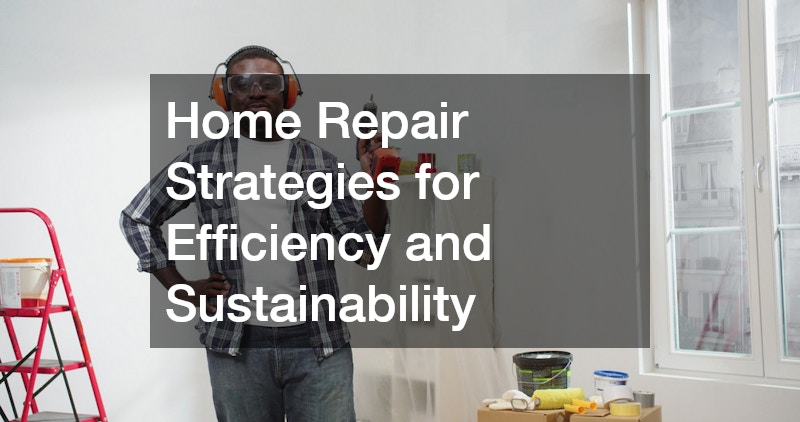
A truly efficient and sustainable home is not built through major renovations alone. More often, it is the result of thoughtful, well-timed repairs that improve performance, extend the life of existing systems, and reduce unnecessary waste. When homeowners focus on fixing what they already have—rather than replacing everything at the first sign of trouble—they often discover significant energy savings, improved comfort, and a smaller environmental footprint.
Strategic home repairs help prevent energy loss, reduce resource consumption, and lower long-term costs. From mechanical systems to the exterior envelope, each component of a house plays a role in how efficiently it operates. Understanding where repairs have the greatest impact allows homeowners to prioritize projects that deliver real, measurable benefits rather than cosmetic improvements alone.
In practice, efficiency-focused repairs also help homeowners better understand how their houses function as integrated systems. Airflow, moisture control, insulation, and mechanical performance are all interconnected. When one area underperforms, others are forced to compensate, often leading to higher energy use and accelerated wear. By approaching repairs strategically, homeowners can prevent this chain reaction and create a more balanced indoor environment.
Sustainability in home maintenance is also about timing. Addressing small issues early avoids emergency repairs, which tend to be more resource-intensive and costly. Planned maintenance allows for thoughtful material choices, proper scheduling, and less disruption. Over time, this approach reduces overall consumption while improving reliability. A well-maintained home doesn’t just cost less to operate—it also retains its value longer and provides a healthier living environment for the people inside.
Reducing Energy Waste Through Smarter Mechanical Fixes
Modern homes rely heavily on mechanical systems, and even small inefficiencies in these systems can lead to major energy waste over time. Addressing performance issues early allows homeowners to restore proper operation without the environmental cost of full replacement.
One of the most overlooked efficiency improvements comes from timely appliance repair. Appliances that are struggling to function often draw more power than necessary, even if they still appear to be working. Motors that strain, sensors that misread temperatures, and worn components all increase energy consumption without providing any added benefit. These inefficiencies may not cause immediate failure, but they quietly drive up energy use day after day.
Similarly, Heating repair plays a critical role in maintaining consistent indoor temperatures without excessive fuel or electricity use. When heating systems operate inefficiently, they cycle more frequently, run longer than needed, and distribute warmth unevenly throughout the home. This uneven performance often leads homeowners to raise thermostat settings, further compounding energy waste.
Mechanical systems rarely fail suddenly without warning. More often, they degrade gradually, consuming extra energy long before homeowners notice a comfort issue. This gradual inefficiency can quietly inflate utility bills while increasing strain on components that were designed to operate within specific performance ranges. Understanding this progression helps homeowners recognize why early intervention matters.
How to identify mechanical inefficiencies early
Homeowners can often spot warning signs before a system fails completely:
- Unusual noises during operation
- Increased utility bills without changes in usage
- Uneven heating or inconsistent performance
- Systems running longer than normal to achieve the same results
Efficiency-focused repairs also improve system responsiveness. When motors, sensors, and controls function properly, systems cycle on and off as intended rather than running continuously. This not only saves energy but also reduces noise, improves indoor comfort, and minimizes wear.
Sustainability benefits of repairing instead of replacing
Choosing repair over replacement offers several environmental advantages:
- Reduces landfill waste from discarded appliances and parts
- Avoids the carbon footprint associated with manufacturing new units
- Extends the useful life of existing equipment
- Preserves embedded energy already invested in current systems
From a sustainability standpoint, extending the life of mechanical equipment is one of the most impactful actions a homeowner can take. Manufacturing and transporting replacement units require significant energy and raw materials. Repairing existing systems delays that environmental cost while maintaining dependable performance.
Improving Water and Heat Efficiency Behind the Walls
Water heating and radiant heat systems quietly account for a large portion of household energy use. When these systems fall out of balance, the inefficiency is often hidden—yet the impact on utility costs and sustainability can be substantial.
A professional water heater repair service can address common performance issues such as sediment buildup, failing heating elements, or malfunctioning thermostats. These problems force water heaters to work harder, consuming more energy to deliver the same amount of hot water. Over time, that extra workload shortens equipment lifespan and increases the risk of unexpected failure.
Likewise, boiler repair ensures that heat is distributed evenly and efficiently throughout the home. Boilers that are not properly maintained may short-cycle, lose pressure, or waste fuel due to poor heat transfer. These issues often result in uneven room temperatures and higher heating costs during colder months.
Water and heat systems often operate out of sight, which makes it easy to overlook their condition. However, inefficiencies in these systems tend to affect the entire household, from inconsistent water temperatures to uneven heating in different rooms. These symptoms often signal underlying problems that can be corrected without replacing major equipment.
Steps homeowners can take to improve efficiency
While some repairs require professional expertise, homeowners can take proactive steps to support system efficiency:
- Flush water heating systems periodically to reduce sediment
- Monitor water temperature settings to avoid overheating
- Check for visible leaks or corrosion around heating equipment
- Schedule inspections before peak heating seasons
Efficiency improvements in these systems also enhance reliability. Systems operating under strain are more prone to sudden breakdowns, especially during peak demand. Preventative repairs stabilize performance and reduce the likelihood of emergency service calls, which are often more disruptive and less sustainable.
Why coordinated repairs matter
Addressing water and heating systems together often produces better results than tackling them separately:
- Efficient hot water delivery reduces demand on heating systems
- Balanced pressure improves performance across connected systems
- Preventative repairs reduce emergency service calls
Additionally, improving efficiency behind the walls supports water conservation goals. Reducing wasted hot water lowers both energy use and water consumption, creating a dual environmental benefit.
Strengthening the Home Envelope to Prevent Energy Loss
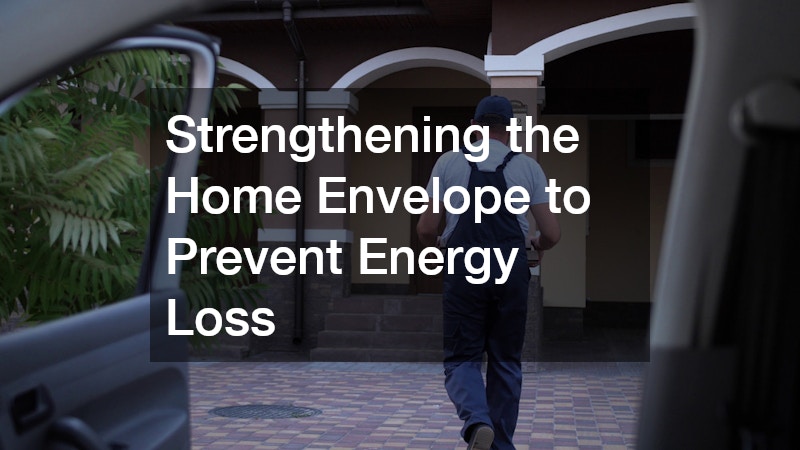
The exterior shell of a home determines how effectively it holds conditioned air inside. Even the most efficient mechanical systems cannot compensate for gaps, leaks, or weak insulation in critical areas.
Door repair is often one of the fastest ways to reduce unwanted air exchange. Worn weatherstripping, warped frames, and loose hinges create pathways for drafts that force heating and cooling systems to work harder than necessary. These issues are especially noticeable during seasonal transitions when temperature differences between indoors and outdoors are greatest.
In some cases, aging windows no longer provide adequate insulation. Strategic window replacement can dramatically improve thermal performance, especially when older single-pane or poorly sealed windows are involved. Modern materials and improved sealing technologies significantly reduce heat transfer while enhancing indoor comfort.
The home envelope plays a crucial role in regulating temperature, humidity, and air quality. Even small gaps can undermine efficiency by allowing conditioned air to escape and outdoor air to enter. These exchanges force heating and cooling systems to compensate, increasing energy use and reducing comfort.
How to evaluate doors and windows for efficiency
Homeowners can perform simple checks to identify problem areas:
- Feel for drafts on windy days
- Look for condensation between panes or around frames
- Inspect seals, caulking, and alignment
- Check for difficulty opening or closing
Strengthening the envelope also improves indoor air quality. Properly sealed openings reduce the intrusion of dust, pollen, and outdoor pollutants. This is particularly important for households with allergies or respiratory sensitivities.
When repair is sufficient versus when upgrades are needed
Not every issue requires full replacement. Sustainable decision-making means choosing the least invasive solution that delivers results:
- Repair when frames are sound and leaks are minimal
- Replace when materials are failing or insulation is inadequate
- Prioritize rooms with the greatest temperature fluctuations
From a sustainability perspective, focusing on the envelope delivers long-lasting results. Once properly repaired or upgraded, doors and windows continue to perform efficiently with minimal maintenance.
Protecting the Roof and Exterior for Long-Term Efficiency
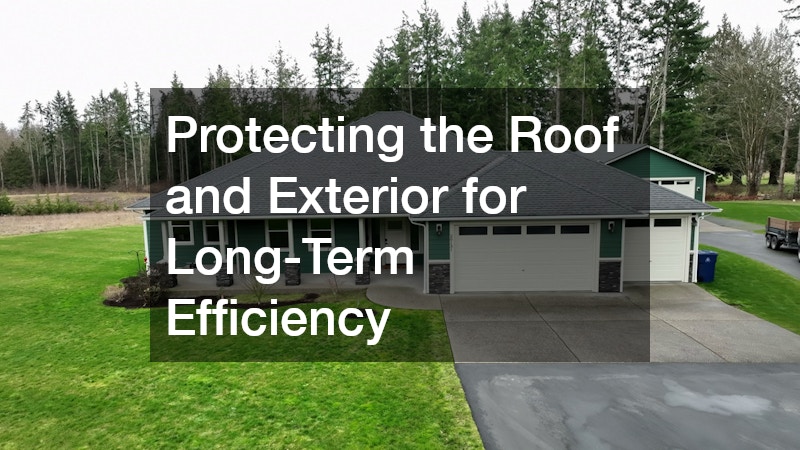
The roof is one of the most important components in regulating indoor temperatures. Heat naturally rises, making the condition of the roof especially critical for both winter heat retention and summer cooling performance.
When homeowners search for roof repair near me, they are often reacting to visible damage. However, even minor roofing issues can compromise insulation and ventilation, leading to significant energy loss over time. Small gaps or moisture intrusion may not be obvious from the ground but can quietly undermine efficiency.
Experienced roofing companies understand how targeted repairs can restore efficiency without requiring full roof replacement. Fixing damaged shingles, addressing flashing issues, and improving ventilation can all enhance thermal performance while preserving existing materials.
Exterior repairs have a direct impact on indoor efficiency because they protect insulation and structural components from environmental stress. When moisture enters through roofing defects, insulation can compress or degrade, losing its ability to regulate temperature effectively.
How roofing problems affect energy efficiency
Common issues that impact energy use include:
- Moisture intrusion reducing insulation effectiveness
- Poor ventilation trapping heat in attic spaces
- Gaps allowing conditioned air to escape
Addressing exterior issues early also prevents structural deterioration. Water intrusion can affect framing, ceilings, and walls, leading to repairs that are far more resource-intensive than initial maintenance would have been.
Sustainable approaches to roof maintenance
Efficiency-focused exterior care includes:
- Promptly repairing localized damage
- Choosing reflective or energy-efficient materials when possible
- Maintaining proper attic airflow
- Inspecting roofs after major weather events
Well-maintained roofing systems protect both the home structure and its energy performance while extending the lifespan of exterior materials.
Supporting Whole-Home Efficiency With Specialized Services
Beyond major systems and exterior components, secondary services play a crucial role in maintaining an efficient household. Plumbing and garage access points, in particular, are often overlooked sources of energy loss.
A skilled local plumber can identify inefficiencies that contribute to wasted water and unnecessary energy use. Small leaks, pressure imbalances, and uninsulated pipes all increase the load on water heating systems without homeowners realizing it. These inefficiencies add up over time, quietly raising utility bills.
Likewise, professional garage door service helps maintain the thermal boundary between living spaces and the outdoors. Poorly sealed or uninsulated garage doors allow cold or hot air to infiltrate the home, especially when the garage shares walls with interior rooms.
Efficiency losses often originate in overlooked areas that fall outside typical maintenance routines. Addressing these areas completes the efficiency picture and ensures that improvements made elsewhere are not undermined.
How plumbing impacts energy consumption
Water-related inefficiencies often have hidden energy costs:
- Leaks increase hot water demand
- Poor pressure causes systems to run longer
- Heat loss from uninsulated pipes raises energy use
Improving garage-related energy performance
Garage-related improvements include:
- Sealing gaps around doors and frames
- Repairing alignment issues that create air leaks
- Adding insulation where appropriate
- Maintaining door mechanisms for consistent closure
These secondary improvements often deliver outsized benefits relative to their cost and complexity, especially in homes with attached garages.
Efficiency and sustainability are not achieved through one-time projects but through ongoing, informed maintenance decisions. Thoughtful repairs allow homeowners to maximize the performance of existing systems while minimizing waste, energy loss, and unnecessary expense. When repairs are approached with intention, they help prevent small issues from escalating into costly, resource-intensive problems.
Sustainable home repair is ultimately about stewardship—of resources, finances, and living spaces. Each thoughtful repair strengthens the home’s ability to perform efficiently while reducing unnecessary consumption. Over time, these decisions create a home that is not only more comfortable but also more resilient to changing energy costs and environmental pressures, providing long-term stability and peace of mind.
By prioritizing repairs that improve performance rather than simply addressing symptoms, homeowners gain greater control over their energy use and household systems. This approach transforms maintenance from a reactive chore into a proactive strategy for long-term efficiency. A well-maintained home supports daily comfort, protects its occupants, preserves property value, and contributes positively to broader sustainability goals—making every repair a meaningful step toward a smarter, more responsible future.